US Military Strikes in Iran Trigger Strait of Hormuz Closure Amid Rising Tensions
Renewed US attacks on Iran provoke Tehran to close the strategic Strait of Hormuz, raising concerns over Gulf security and American business interests.
The United States Armed Forces resumed airstrikes against targets in Iran on the evening of June 10, escalating a tense standoff in the Persian Gulf region. According to the US Central Command (CENTCOM), these strikes were a direct response to what it described as "unjustified and ongoing Iranian aggression." The operation began at 5:15 p.m. Eastern Time, shortly after President Donald Trump announced the new attacks.
US Defense Secretary Pete Hegseth emphasized that the goal of these strikes is not to provoke war but to create conditions for a possible agreement with Tehran. However, the escalation quickly triggered Iranian retaliation.
Tehran's Response and Strategic Implications
Iranian military sources reported explosions near the cities of Minab and Sirik, with blasts also heard close to the Bandar Abbas military base and airport, as well as the port city of Gorgan along the Persian Gulf. In retaliation, Iran launched attacks on American military bases in the Gulf states and Jordan, reportedly using ballistic missiles. Kuwaiti air defenses were activated, and Bahrain sounded air-raid sirens, signaling heightened regional alert.
"Any vessel attempting to pass through the Strait of Hormuz will be attacked," announced Iran's military command, citing "changed security circumstances" following the US strikes.
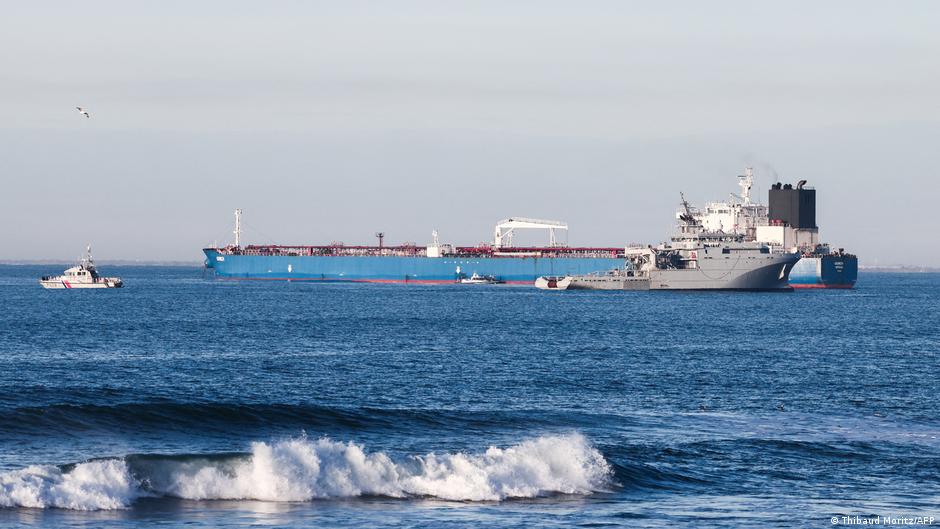
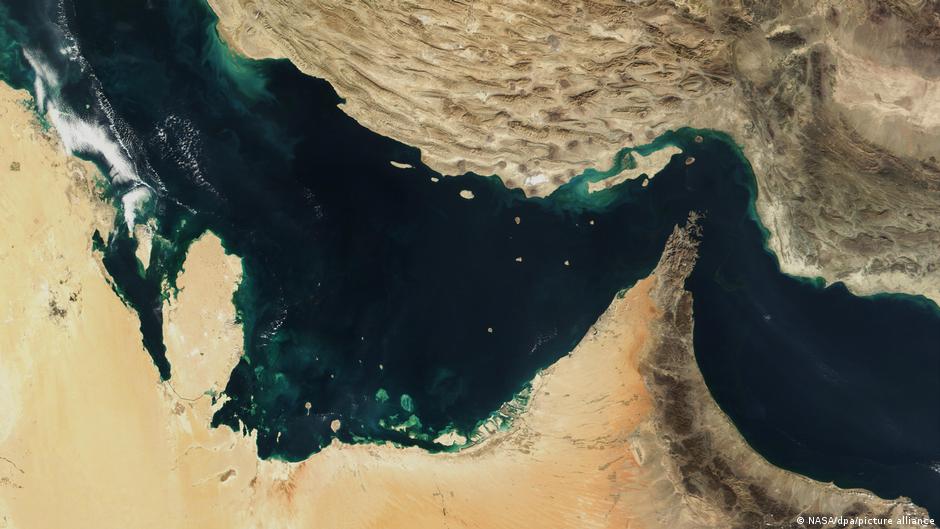
Significantly, Iran declared a complete closure of the Strait of Hormuz, a critical maritime chokepoint through which approximately 20% of the world's oil supply transits daily. Iranian state television later reported that their forces had opened fire on two vessels attempting to navigate the strait.
However, CENTCOM denied that the strait had been fully closed, stating that commercial shipping continues to transit the waterway. This conflicting narrative underscores the volatility and risks faced by global maritime commerce in the region.
Implications for US Business and Global Energy Markets
The closure declaration of the Strait of Hormuz has immediate and serious implications for US businesses, particularly those involved in energy, shipping, and insurance sectors. The strait is a vital artery for global energy supplies, and any sustained disruption could cause significant spikes in oil prices, directly impacting fuel costs and inflation in the US economy.
American oil companies with exploration and production interests in the Gulf region face heightened operational risks, while insurers may reconsider policy terms for vessels operating in the area. Additionally, the US government's ability to ensure the free flow of commerce could become a test of Washington’s resolve and military capability in protecting international trade routes.
These developments also complicate ongoing diplomatic efforts aimed at managing US-Iran relations and stabilizing the Gulf region. Businesses with supply chain dependencies tied to Gulf shipping lanes must now reassess contingency plans amid escalating geopolitical uncertainty.
Looking Ahead
With both Tehran and Washington engaged in tit-for-tat military actions and declarations that affect global energy security, the potential for further disruptions remains high. The US administration faces pressure to balance military deterrence with diplomatic engagement to avoid a broader conflict that could severely impact American economic interests.
As the situation develops, US companies and policymakers alike will closely monitor the evolving security landscape in the Gulf to mitigate risks and safeguard critical trade routes.