US Military Strikes Iran Again Near Strait of Hormuz Amid Rising Regional Tensions
New US attacks target Iran’s capacity to threaten commercial shipping in the strategic Strait of Hormuz, heightening risks for American business interests.
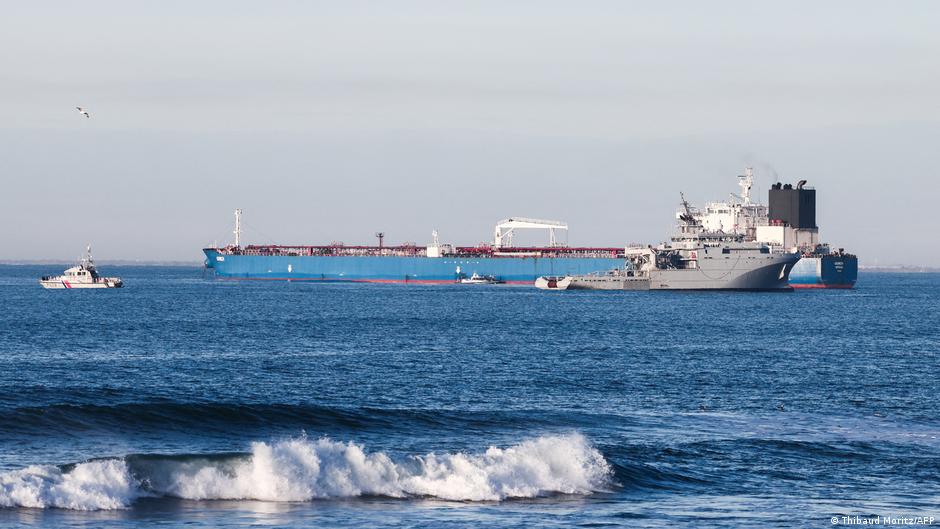
The United States military has launched another wave of strikes against Iranian targets near the Strait of Hormuz, aiming to undermine Tehran’s ability to threaten civilian and commercial vessels traversing this vital waterway. The escalation underscores mounting tensions that could impact global oil supply chains and pose challenges for American companies reliant on Middle Eastern trade routes.
Strategic Importance and Recent Military Actions
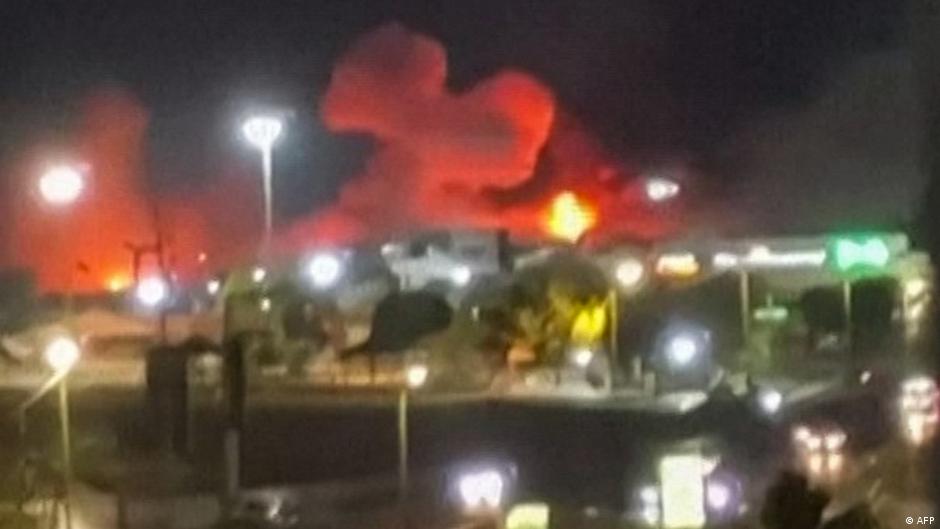
On the night of July 13, the US Central Command (CENTCOM) announced fresh strikes against Iranian military sites, emphasizing a directive from the commander-in-chief to "deter the Iranian regime". The targets were reportedly located west of the port of Bandar Abbas, near the city of Sirik, on Qeshm Island, and in the port city of Jask, all key locations along the Strait of Hormuz.
"The Supreme Commander ordered these strikes to deter the Iranian regime," CENTCOM stated on social media platform X.
The Iranian Revolutionary Guard Corps (IRGC) responded by declaring the Strait of Hormuz closed until further notice, a claim refuted by US military officials who affirmed that navigation remains uninterrupted. Control over this narrow passage, through which approximately 20 percent of the world’s oil trade flows, is of considerable strategic value.
Earlier on July 12, US forces reported striking approximately 140 Iranian military sites, including missile depots, drone facilities, and communications hubs, in retaliation for an IRGC attack on the container ship GFS Galaxy. While Iran contended that warning shots were fired at the vessel for deviating from Tehran-approved routes, the incident further aggravated tensions.
Regional Fallout and Impact on US Interests
Following the US strikes, Iran retaliated by targeting US military installations in Gulf countries such as Qatar and Oman, including the Al Udeid Air Base and the port of Duqm. These maneuvers highlight Iran's intent to project power across the Gulf region, raising concerns about the safety of American personnel and assets.
American businesses, particularly those in energy and shipping sectors, face heightened risks due to these developments. Disruptions or perceived instability in the Strait of Hormuz can lead to volatility in global oil prices and increased insurance costs for maritime operations, directly affecting bottom lines.
Despite a framework agreement signed on June 17 aimed at ceasing hostilities and reopening the Strait, attacks on commercial vessels have continued since late June, with each side blaming the other for breaches. US President Donald Trump declared the memorandum void during a NATO summit on July 8, criticizing Iran's leadership and reaffirming renewed sanctions, signaling a hardening US stance.
Recent closed-door talks between US and Iranian officials indicated some willingness from Iran to engage in dialogue, attributing attacks to rogue elements within their system. However, these discussions ended without progress, leaving the status of regional security and the Strait’s management uncertain.
Implications for Washington and US Business
The ongoing confrontations in the Strait of Hormuz have significant implications for US foreign policy and economic interests. Washington must balance deterrence efforts to protect shipping lanes against the risks of escalation impacting regional stability. For American companies, especially energy firms dependent on uninterrupted oil flow, these tensions elevate operational risks and may prompt reassessments of supply chain resilience and geopolitical exposure.
As the situation remains fluid, US policymakers and business leaders alike will be monitoring developments closely, weighing the costs of military engagement against diplomatic opportunities to secure this critical maritime corridor.