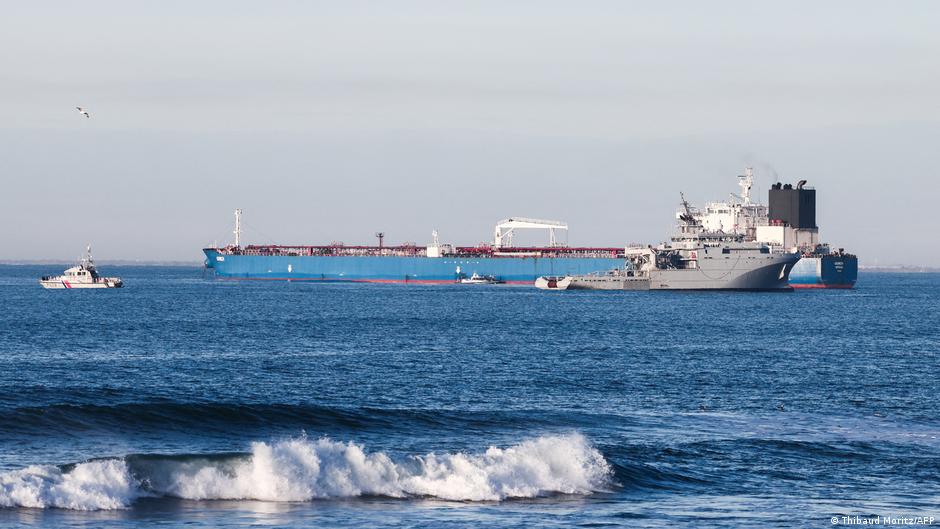
US Military Strikes Iranian Targets in Response to Attacks on Commercial Shipping
Washington targets Iranian military infrastructure following drone attacks on oil tankers near Strait of Hormuz amid escalating tensions.
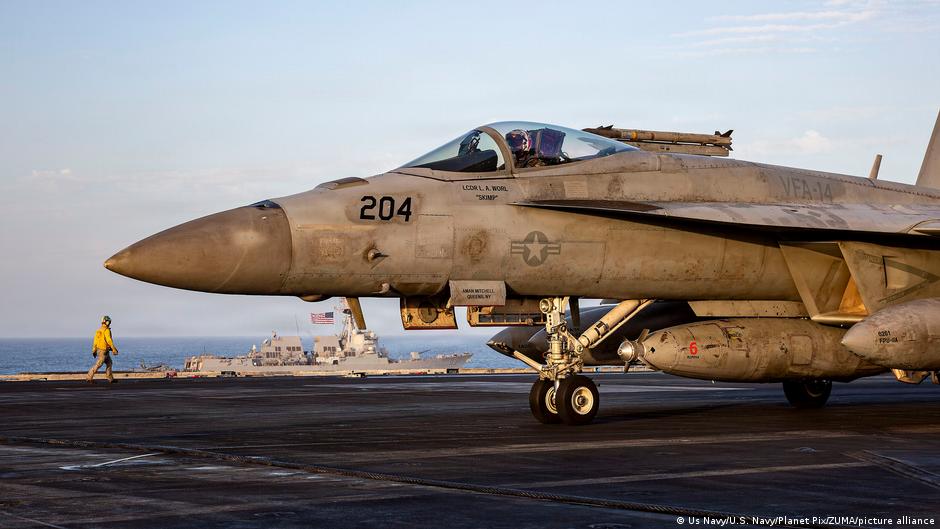
On June 27, US military forces conducted airstrikes against Iranian military infrastructure, including surveillance facilities, communication systems, air defense installations, drone storage sites, and mining equipment. The strikes were a direct response to Iranian attacks on commercial shipping vessels navigating the strategic Strait of Hormuz.
The US Central Command (CENTCOM) stated that the operation was undertaken after Iran launched a kamikaze drone attack on the Panama-flagged tanker Kiku, carrying over two million barrels of crude oil. This attack followed a prior strike on the vessel Ever Lovely, marking a significant escalation despite a ceasefire agreement signed on June 17 aimed at de-escalating hostilities in the region.
Implications for US Businesses and Global Energy Markets
The Strait of Hormuz is a critical chokepoint through which an estimated one-fifth of the world’s petroleum passes. Disruptions here threaten global oil supply chains and can have substantial financial repercussions for American energy companies and international markets alike.
"The United States remains vigilant, maintaining readiness to use force to ensure the free passage of commercial vessels through the Strait of Hormuz," CENTCOM emphasized.
These recent hostilities raise concerns about the reliability of oil shipments, potentially driving up energy prices and impacting American consumers and industries dependent on stable fuel costs. US companies involved in oil extraction, refining, and shipping could face increased operational risks and insurance costs.
Following the attacks, both Kuwait and Bahrain reported missile and drone assaults attributed to Iran’s Revolutionary Guard Corps (IRGC), targeting military installations linked to US forces in the region. Air raid sirens sounded in Bahrain, prompting civilian alerts and calls for calm.
The IRGC claimed these actions were retaliatory responses to the US airstrikes, warning of escalated military responses if further aggression occurs. Meanwhile, Washington and Tehran continue to exchange accusations of ceasefire violations, undermining prospects for a sustainable de-escalation.
US President Donald Trump confirmed the strikes on June 27, framing them as enforcement of the ceasefire agreement and warning that a failure to curb Iranian provocations could lead to a decisive military confrontation. "If that moment comes, the Islamic Republic of Iran will cease to exist," Trump declared on his social media platform.
For American policymakers and business leaders, the unfolding conflict underscores the fragility of energy security and the geopolitical complexities impacting US interests abroad. The potential for extended military engagement threatens to destabilize regional trade routes and raise costs for US companies reliant on Middle Eastern oil exports.
As the US military maintains heightened alert status in the Persian Gulf, the administration faces growing pressure to balance strategic deterrence with diplomatic efforts to prevent further escalation that could imperil global markets and US economic interests.