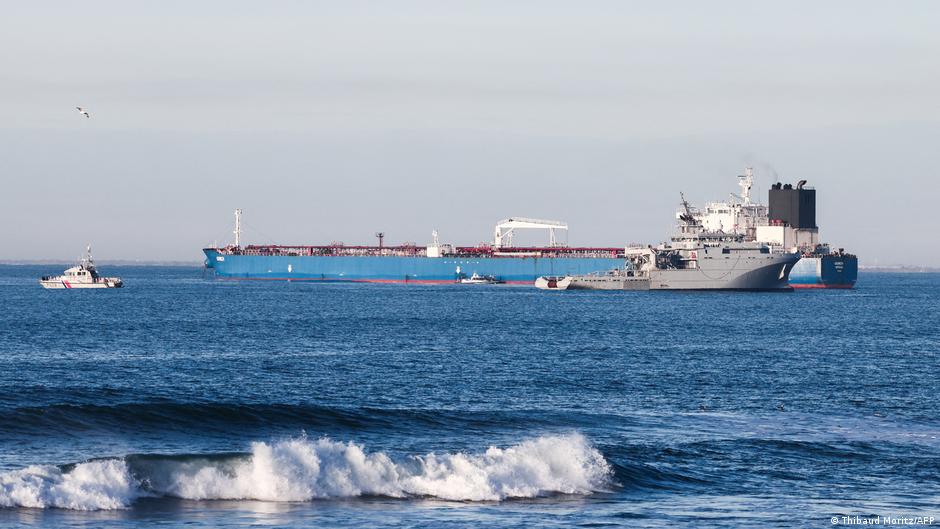
US-Iran Military Clashes in Strait of Hormuz Heighten Risks for American Trade and Energy Security
US strikes on Iranian missile depots follow drone attack on cargo ship, escalating tensions with implications for US businesses and global oil markets.
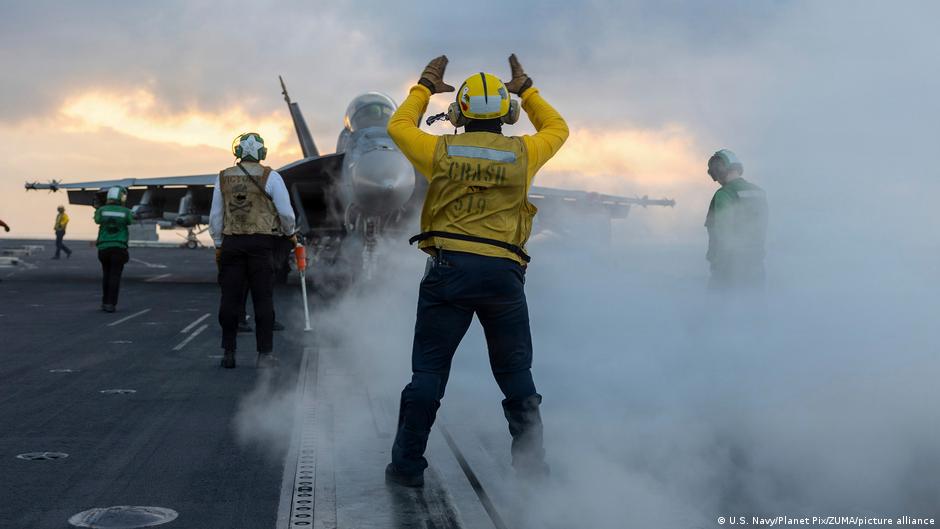
In a significant escalation of regional tensions with direct implications for American commercial interests, the US military conducted targeted strikes against Iranian missile and drone storage facilities as well as coastal radar posts. These actions followed a drone kamikaze attack by Iran on the Singapore-flagged cargo vessel Ever Lovely transiting the strategic Strait of Hormuz.
US Military Response and Iranian Retaliation
On the evening of June 26, the US Central Command (CENTCOM) announced that American forces had launched strikes in response to the previous day’s attack on the merchant vessel. The Ever Lovely was navigating along the coast of Oman after exiting the Strait of Hormuz when it was targeted by an Iranian unmanned aerial vehicle (UAV).
"This unjustified aggression clearly violates the existing ceasefire regime," CENTCOM stated on social media platform X, underscoring the US view of Iran’s actions as provocative and destabilizing.
In retaliation, Iran’s Islamic Revolutionary Guard Corps (IRGC) fired upon US military bases in the Middle East, warning that any further US aggression would prompt an even larger response. The IRGC defended its actions, arguing that the ceasefire agreement signed with the US grants Iran control over shipping routes in the Strait, and accused Washington of provocations.
Strategic and Economic Implications for US Businesses
The attack on Ever Lovely is the first in the Strait of Hormuz since the June 17 framework agreement aimed at ceasing hostilities and reopening critical maritime routes. The timing—mere hours after the IRGC declared that safe passage would only be guaranteed along Iran-controlled routes—signals a volatile security environment for shipping in the region.
This development has forced the International Maritime Organization (IMO) to suspend evacuation operations of hundreds of vessels and over 11,000 crew members stranded due to the ongoing US-Israel military activities against Iran. The disruption of maritime traffic through the Strait threatens to impede the supply of oil and goods, driving up global energy prices and raising costs for American companies reliant on petroleum and global supply chains.
US President Donald Trump publicly condemned Iran’s actions as a "stupid" violation of the ceasefire, highlighting the use of at least four drones against ships in the critical waterway. The incident underscores the fragility of recent diplomatic efforts and the potential for further instability that could impact US economic and strategic interests in the Middle East.
American businesses, especially those in shipping, energy, and commodities trading, face increased risks amid heightened military tensions. The Strait of Hormuz remains a chokepoint through which a significant portion of the world’s oil supply passes, and conflict there could exacerbate price volatility and supply chain disruptions.