Russia Quadruples Aviation Fuel Imports from Belarus Amid Domestic Production Declines
Rising imports of Belarusian jet fuel underscore Russia’s strained refining capacity, posing challenges for the Kremlin amid ongoing Western sanctions and military conflict.
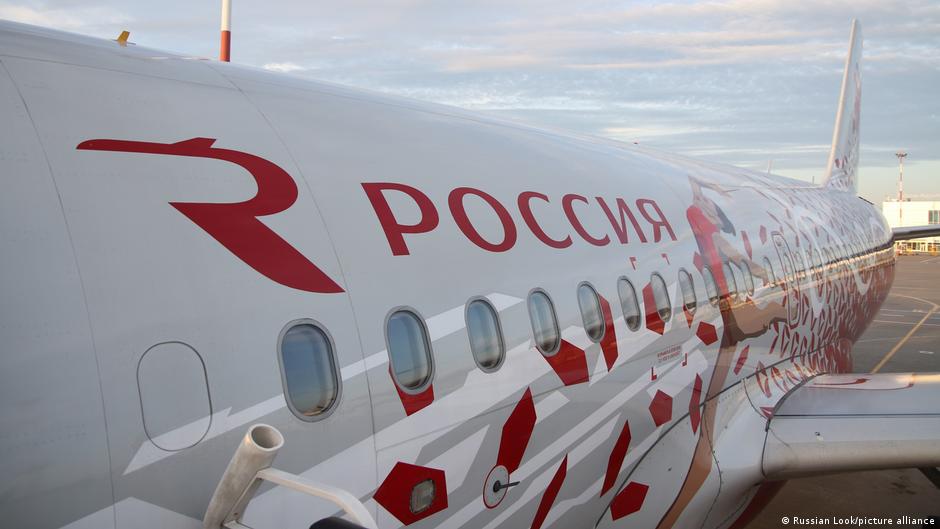
In a marked shift that signals mounting pressures on Russia’s energy infrastructure, the country has sharply increased its imports of aviation kerosene from neighboring Belarus. In May 2026, Russia imported 5,170 metric tons of aviation fuel from Belarus, nearly four times the volume recorded in the same month the previous year. Furthermore, in just the first ten days of June, imports reached an additional 2,600 metric tons.
Implications of Declining Domestic Production
The surge in imports reflects a significant decline in Russia's domestic aviation fuel production, a situation exacerbated by operational disruptions at key refineries. Official Russian figures on fuel production remain undisclosed, but estimates from the Center for Price Indexes (CPI) suggest that total production in 2025 was approximately 11.4 million tons. Of this, the Moscow Oil Refinery in Kapotnya contributed about 1.4 million tons before it was forced to suspend operations in mid-June following a drone attack.
According to Reuters, the Kapotnya facility is unlikely to resume operations until at least winter, compounding supply constraints. Discussions are underway regarding the importation of JET A-1 aviation fuel through maritime ports, which would be blended with domestically produced Russian fuel grades to meet demand.
“The increase in supplies is linked to diminished production volumes,” a CPI analysis noted.
In a historic move, Russian authorities have banned the export of aviation kerosene effective June 1 through November 30 to prioritize domestic availability. Starting mid-June, airports across Russia began notifying operators of refueling restrictions, signaling tightening supply conditions for commercial and military aviation alike.
The fuel supply challenges are not confined to aviation. More than 30 Russian regions have imposed restrictions on automotive fuel sales amid ongoing shortages. These disruptions initially appeared in annexed Crimea, where Ukrainian military strikes have targeted Russian logistics infrastructure. The impact has since expanded to other regions due to sustained aerial attacks on Russian refineries by Ukrainian forces.
By the end of June, gasoline output in Russia declined by 25% year-on-year, further pressuring domestic fuel availability. In response, reports emerged on June 24 that Russia has requested Kazakhstan to sell 50,000 tons of gasoline, underscoring a growing reliance on imports from neighboring states to mitigate shortfalls.
Consequences for US Businesses and Washington
From a US business and political perspective, these developments carry notable implications. The increasing dependency of Russia on Belarusian and Kazakh fuel imports highlights the persistent logistical and operational vulnerabilities caused by Western sanctions and the ongoing conflict in Ukraine. For US energy firms, this reorientation of Russian fuel supply chains may limit market access for American technologies and equipment previously engaged with Russian refineries.
Moreover, Washington’s strategy to tighten sanctions and disrupt Russian energy exports is reflected in Russia’s urgent attempts to secure alternative supply lines. The aviation sector is critical not only for civilian transportation but also for military logistics, meaning that fuel shortages could indirectly affect the security dynamics in the region.
US policymakers monitoring these shifts will need to assess the effectiveness of sanctions and anticipate Russia’s countermeasures, which include deeper trade integration with neighboring states like Belarus and Kazakhstan. The shifting landscape may open new avenues for diplomatic and economic engagement while also posing risks of escalation in energy supply instability.