Finland Removes Nuclear Weapons Ban, Signaling Strategic Shift Amid NATO Integration
Finland’s new law allowing nuclear weapons import and storage aims to bolster NATO security, with implications for US defense strategy and regional stability.
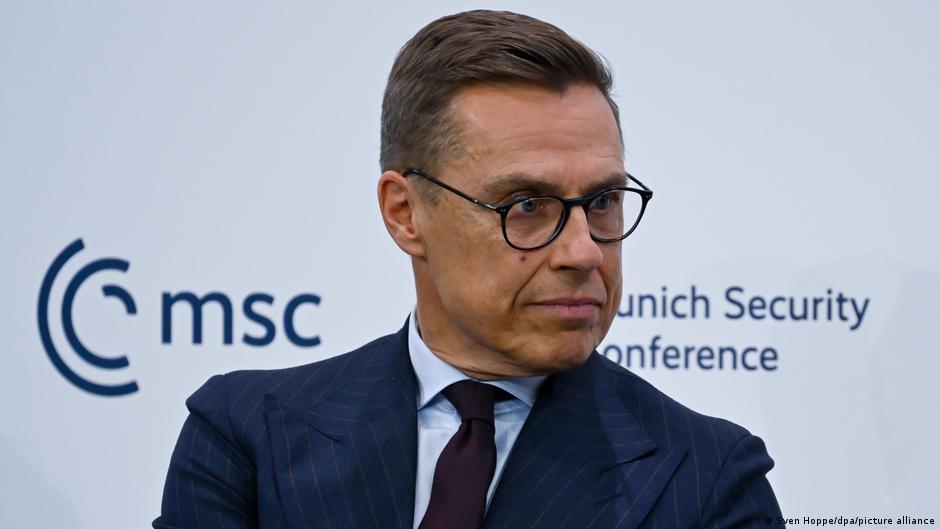
Finland has officially repealed its longstanding legal prohibition on the import and storage of nuclear weapons within its territory, a legislative change that will take effect on July 1. This move marks a significant shift in Finland’s defense posture following its recent NATO accession and reflects growing security concerns related to Russia.
On June 26, Finnish President Alexander Stubb signed amendments to the country’s Atomic Energy Act that lift the ban on nuclear weapons, a development ratified by the Finnish Parliament on March 17 with 125 votes in favor and 61 against. The reforms underscore Helsinki’s commitment to enhancing national and alliance deterrence capabilities, aligning Finland more closely with NATO’s strategic frameworks.
Implications for NATO and US Strategic Interests
Defense Minister Antti Häkkänen described the reform as “historic,” emphasizing its role in strengthening both Finland’s security and the broader NATO alliance. While President Stubb clarified that Finland does not intend to host nuclear weapons during peacetime, the legislative change facilitates the potential deployment of nuclear deterrents if necessary.
“This is about nuclear deterrence — a factor meant to guarantee that its use will never be necessary,” Stubb said.
From a Washington perspective, the amendment signals Finland’s deeper integration into NATO’s collective defense and its readiness to contribute more substantially to regional deterrence against Russian aggression. The move is likely to affect the military calculus in the Baltic Sea region, where US and allied forces maintain significant operational interests.
Russia responded to Finland’s legislative change in March with threats of “retaliatory measures,” underscoring Moscow’s sensitivity to NATO’s eastward expansion and enhanced nuclear posture near its borders. Häkkänen stated Finnish authorities are fully prepared for Moscow’s reaction, asserting that the legal amendment reduces Finland’s vulnerability to Russian military provocations.
This development comes amid Finland’s broader security policy recalibrations, including its formal withdrawal from the Ottawa Treaty banning anti-personnel mines in January, citing Russia’s non-participation and use of landmines as justification. Finland’s entry into NATO in April 2023, following the February 2022 Russian invasion of Ukraine, has accelerated these strategic adjustments.
For US businesses and defense contractors, Finland’s legislative changes may lead to increased collaboration opportunities in military technology, nuclear security, and joint training exercises. The Biden administration’s support for NATO enlargement and deterrence posture in Europe aligns with Helsinki’s evolving defense priorities, potentially boosting procurement and deployment of related US defense assets.
Moreover, as Finland positions itself as a critical frontline state in NATO, the United States may deepen its military presence and intelligence sharing with Helsinki, enhancing the overall security architecture in Northern Europe. US policymakers will closely monitor how Finland’s nuclear policy interplay influences Russian strategic calculations and regional stability.
President Stubb’s recent call in May 2026 for Europe to initiate direct dialogue with Russia illustrates Finland’s dual approach of deterrence combined with diplomatic engagement, aiming to manage tensions while reinforcing alliance solidarity.