Germany Grants Asylum to Russian Anti-War Activist After Initial Rejections
Ilya Shkolny, a Russian political activist, received asylum in Germany after a prolonged legal battle, highlighting challenges faced by activists amid geopolitical tensions.
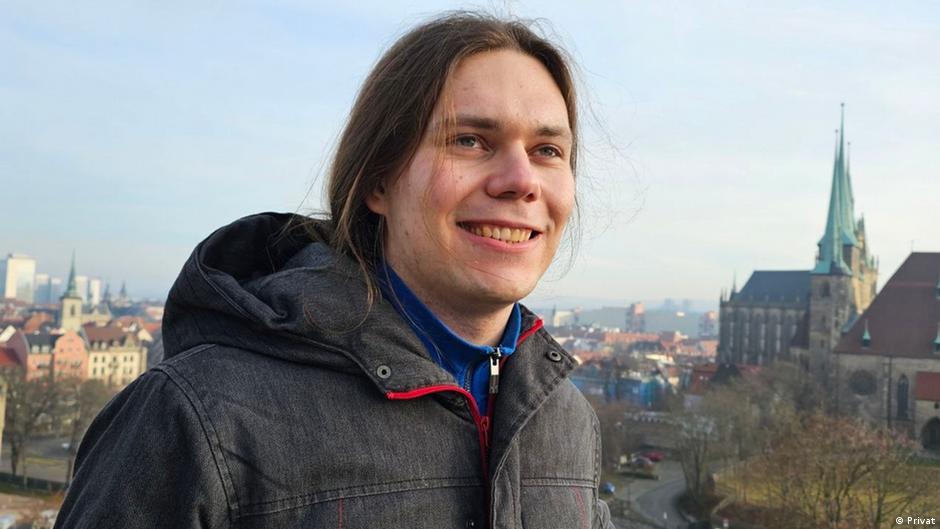
Germany has granted asylum to Russian anti-war activist Ilya Shkolny after initially denying his applications twice and narrowly avoiding deportation back to Russia. This development marks a significant turn in a protracted case that has drawn attention to the precarious position of Russian dissidents in Europe and the broader implications for U.S. businesses and diplomatic relations with Germany and Russia.
Background of the Case and Legal Struggles
Shkolny's fight for asylum spanned three years. He was detained in a deportation facility in Hof, Bavaria, in March 2026, facing immediate expulsion to Russia. Human rights advocates, including the inTransit project, intervened to prevent his deportation scheduled for April 1, 2026. Their efforts ultimately led German authorities to reconsider and approve asylum.
Shkolny has a notable history of political activism in Russia. He volunteered for Alexei Navalny's campaign from 2017 to 2018, participated in the "Smart Voting" campaign in 2021, served as an election observer for the "Golos" movement on four occasions between 2018 and 2021, and was a member of the Libertarian Party's Moscow leadership committee.
"The German Federal Office for Migration and Refugees initially rejected my asylum applications, stating that the threat of conscription was not sufficient grounds for protection," Shkolny stated, reflecting the complex criteria asylum seekers face amid evolving geopolitical dynamics.
In June 2022, Shkolny entered Germany on a 90-day visa designed for binational couples to join his German girlfriend, Ansuela Baldemair. The couple later married, but his application for residency based on marriage was also denied due to questions about the marriage's authenticity and the Federal Office for Migration and Refugees' (BAMF) assessment that he was not at risk in Russia.
Implications for U.S. Businesses and Transatlantic Relations
This case underscores Germany’s delicate balance between humanitarian commitments and political considerations, which has reverberations for U.S. companies operating in Germany and Europe. The ruling reflects Germany’s nuanced stance toward Russian political dissidents amid ongoing conflict in Ukraine, a factor that continues to shape transatlantic policies.
American businesses with European operations may find themselves navigating an environment where political risks and migration policies intersect with economic interests. The outcome encourages closer scrutiny of how asylum and immigration policies in key U.S. allies could affect workforce mobility and international compliance in the context of geopolitical tensions.
Furthermore, Germany’s willingness to grant asylum here sends a signal about its broader approach to Russian political refugees, which could influence U.S. diplomatic engagements and coordination on human rights and migration issues.
Overall, Shkolny’s case highlights the increasing challenges that political activists face and the complex web of legal and diplomatic considerations that Western democracies must reconcile. For U.S. businesses and policymakers, this serves as a reminder of the intertwined nature of political activism, human rights, and international economic activities.