EU Entry Ban on Russian Combatants Faces Hesitation from Paris and Rome Ahead of Sanctions Vote
France and Italy express concerns that the EU's proposed travel restrictions on Russian fighters could unintentionally affect all Russian travelers.
The European Union's proposal to ban entry to Russian nationals who have participated in the war against Ukraine is encountering resistance from key member states, notably France and Italy. Both capitals are wary that the measure, part of the EU's 21st sanctions package targeting Russia, might inadvertently lead to a blanket ban on all Russian citizens seeking access to the EU.
Paris and Rome's Reservations on Targeted Entry Ban
According to insider reports, while both Paris and Rome support the principle of restricting travel for Russian military personnel involved in the conflict, they fear the practical implementation of such a ban could be problematic. Specifically, determining which individuals have directly engaged in combat against Ukraine would require individual EU countries to make complex and potentially contentious assessments.
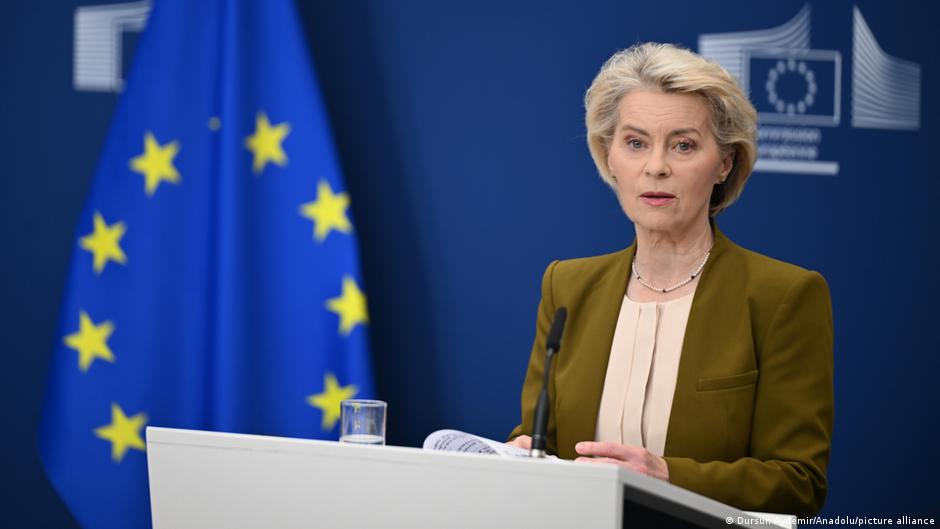
“Europe remains closed to all who have participated in the invasion of Ukraine,” stated Ursula von der Leyen, President of the European Commission, emphasizing the EU's commitment to toughening sanctions.
This issue raises concerns about administrative feasibility and risks of overreach, possibly resulting in broader restrictions affecting ordinary Russian travelers. The hesitation from France and Italy highlights the delicate balance EU member states must maintain between exerting pressure on Russia and avoiding undue harm to non-combatant Russian civilians or diplomatic relations.
Strategic Objectives and Broader Sanctions Context
The entry ban on Russian combatants forms part of the broader 21st package of EU sanctions announced by the European Commission on June 9. Beyond travel restrictions, the package targets sectors including energy, finance, trade, and, for the first time, fishing rights.
The overarching aim is to tighten the economic noose around Russia, limiting revenues that fuel its military operations amid Ukraine's improving position on the battlefield. The EU hopes these measures will increase pressure on Moscow to engage in diplomatic negotiations.
However, the sanctions package presents complexities beyond travel bans. Observers note challenges in enforcing the EU's proposed price cap on Russian oil amid high global energy prices, which could undermine sanction effectiveness and impact international energy markets.
Implications for US Businesses and Washington Policy
The evolving EU sanctions landscape carries significant implications for American companies and US foreign policy. As Washington closely monitors Europe's sanction strategies, US businesses engaged in transatlantic trade and energy markets must prepare for potential ripple effects.
European hesitation to implement narrowly targeted travel bans suggests a cautious approach that seeks to balance punitive measures with practical enforcement. For American firms, this signals a complex regulatory environment where compliance risks may increase, especially for those involved in EU-Russia trade channels.
Moreover, the EU’s challenges in sanction enforcement underscore the need for coordinated transatlantic efforts to effectively pressure Russia without destabilizing global markets or inadvertently harming civilian populations. This alignment is crucial for Washington’s broader objective of maintaining a united front against Russian aggression while safeguarding economic stability.
As the EU prepares to vote on the sanctions package, US policymakers will be watching closely to gauge European resolve and adapt their own strategies accordingly.