US Special Envoy Whitcoff Heads to Switzerland for Crucial Iran Nuclear Talks Amid Lebanon Conflict
Washington's diplomatic efforts with Iran face delays due to regional tensions, impacting US business interests and sanctions strategy.
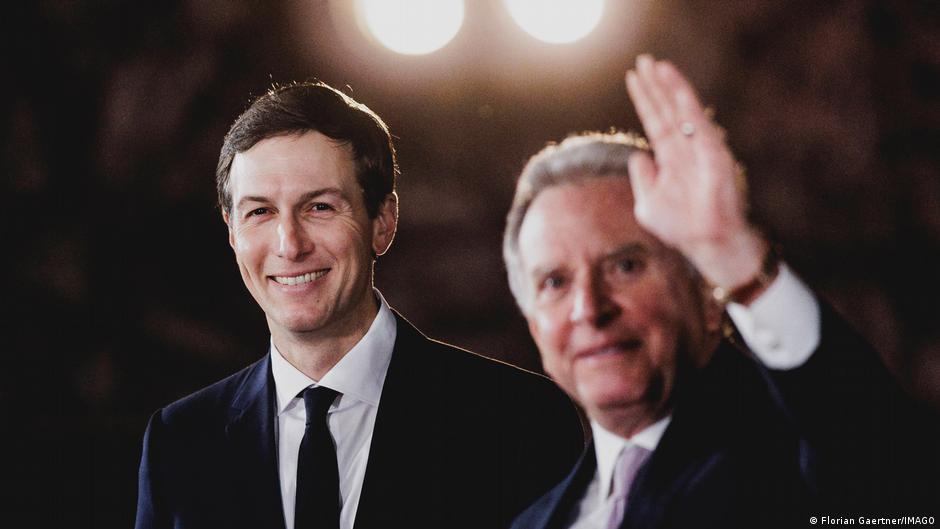
Stephen Whitcoff, the US President's special envoy, has departed for Switzerland to engage in negotiations with Iranian representatives regarding the nuclear deal, according to reports. Originally scheduled for June 19, these talks have been postponed amid ongoing conflict in Lebanon.
Whitcoff’s arrival in Switzerland marks the first round of direct discussions with Iran since tensions escalated in the region. Jared Kushner, former Presidential adviser and President Trump’s son-in-law, is also reported to be present in Switzerland to support the negotiations. Key regional intermediaries have gathered as well, including Qatar's Prime Minister Sheikh Mohammed bin Abdul Rahman Al Thani, a vital mediator between Washington and Tehran.
Diplomatic Challenges Amid Regional Conflict
The Iranian Foreign Minister Abbas Araghchi was expected to arrive on June 20, although plans remain fluid. Araghchi reportedly emphasized the "critical importance" of a ceasefire in Lebanon to his negotiating partners, underlining Iran’s desire for a sustainable truce before substantive talks can proceed. This is significant because the delay in talks is linked to ongoing hostilities between Israel and Hezbollah, the Lebanese Shiite militant group supported by Iran.
"Iran insists on a stable ceasefire in Lebanon before advancing with the nuclear negotiations," a source close to the talks revealed.
Initial plans called for a memorandum of understanding to be signed on June 19, including a commitment to halt hostilities across conflict zones, which would trigger a 60-day negotiation window to finalize a peaceful accord. Instead, the memorandum was signed remotely on June 17, with the in-person meeting postponed due to the volatile security situation in southern Lebanon.
Swiss officials had anticipated hosting not only US and Iranian diplomats but also intermediary countries such as Qatar and Pakistan. However, US Vice President David James Vance declined to attend the meeting, and his potential arrival over the weekend remains uncertain.
Implications for US Business and Sanctions Policy
US President Donald Trump publicly attributed the postponement to Iran, accusing Tehran of delaying negotiations. On the social media platform Truth Social, Trump stated, "It is not us who approached out of desperation, but Iran. They are finished! We will determine how these 60 days of talks proceed. They will not get a dime, not even ten cents." This comment highlights the administration’s tough stance on sanctions and financial engagements with Iran.
The memorandum reportedly includes a provision for a $300 billion private investment fund to aid Iran’s reconstruction, alongside the unblocking of $24 billion in Iranian assets. These financial elements are critical for American businesses, as a potential easing of sanctions could open opportunities in sectors ranging from energy to infrastructure and technology. However, continued regional instability and diplomatic delays create uncertainty for US companies eyeing the Iranian market.
For Washington, balancing security concerns with economic interests remains complex. The US government’s push for a ceasefire in Lebanon signals a strategic effort to stabilize the region and create a conducive environment for nuclear negotiations, which could pave the way for the gradual lifting of sanctions. Success or failure in these talks will influence policy decisions and have a direct bottom-line impact on American firms contemplating re-engagement in Iran.
As the situation evolves, US businesses and policymakers will closely monitor the outcomes of the Swiss negotiations, weighing the risks of regional instability against the potential economic benefits of renewed diplomatic relations.



