Uzbek-Afghan Business Forum Yields $300M in Trade Deals Amid Regional Integration Efforts
A landmark Uzbek business delegation secures contracts worth $300 million with Afghan partners, signaling expanding economic ties with implications for US regional interests.
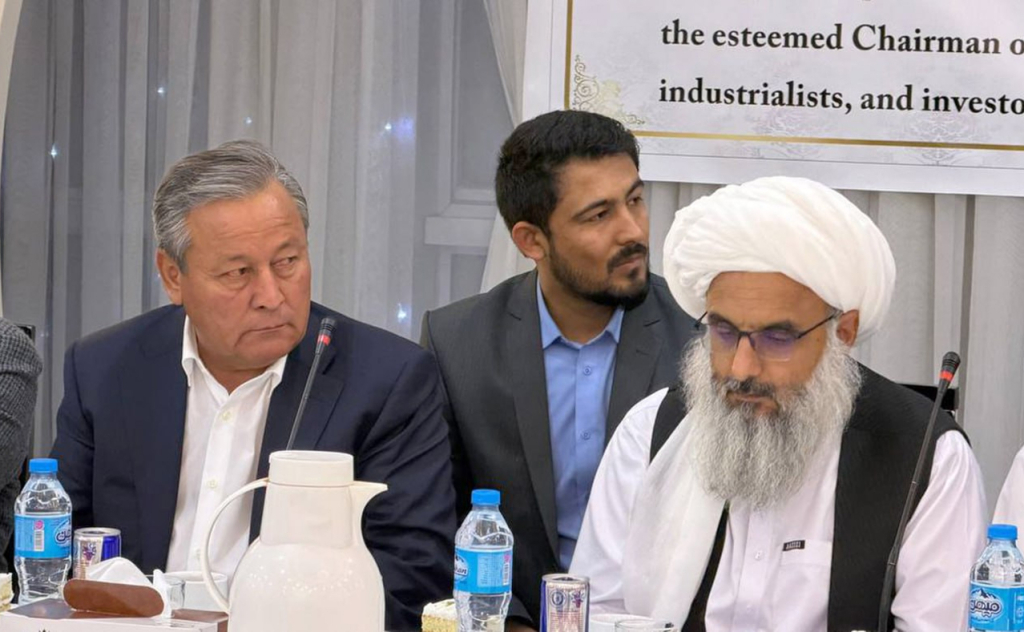
In a significant development for Central Asian trade dynamics, Uzbek and Afghan entrepreneurs finalized agreements totaling $300 million during a business forum held in Herat, Afghanistan. This event coincided with the inauguration of the Andijon Trade House in Herat, marking a new chapter in bilateral commercial engagement.
Strengthening Economic Ties in a Volatile Region
Led by Shuhrat Abdurahmonov, the Governor of Uzbekistan's Andijon region, and Davron Vahobov, Chairman of the Uzbekistan Chamber of Commerce and Industry, a delegation of 110 Uzbek business representatives traveled to Herat to solidify partnerships with local Afghan entrepreneurs. The forum provided a platform to address critical issues such as visa facilitation, streamlined mutual payment systems, simplified pharmaceutical exchanges, and expanded logistics for agricultural and cement products.
"These cooperative initiatives will open wide doors for entrepreneurs, creating substantial opportunities for trade and investment," noted Herat Governor Nur Ahmad Islomjar during the opening ceremony.
The newly established Andijon Trade House is expected to showcase over 200 products across ten sectors, serving as a hub not only for product display but also for forging new partnerships and attracting investment projects. This move reflects Uzbekistan’s strategic intent to deepen economic integration with Afghanistan amid ongoing regional recalibrations.
Earlier in April 2026, Uzbekistan's delegation, headed by Abdulla Azizov, Director of the Pharmaceutical Development Agency, engaged in negotiations with Afghan officials in Kabul. This was followed by the first-ever "Afghanistan-Central Asia Consultative Dialogue" held on Afghan soil since the Taliban's ascendancy in 2021, underscoring a rare opening for diplomatic and economic outreach in the region.
Implications for US Businesses and Policy
From Washington’s perspective, these developments hold considerable import. The growing Uzbek-Afghan economic corridor potentially reshapes trade routes and supply chains in Central Asia, a region of strategic interest to the United States. American companies involved in pharmaceuticals, agriculture, and infrastructure could find new opportunities or face competition as local markets evolve.
Moreover, the facilitation of business activities and cross-border cooperation may contribute to regional stability, an outcome aligned with US foreign policy objectives. However, US policymakers must also weigh the implications of increased economic activity with Taliban-controlled Afghanistan, balancing engagement with concerns over governance and security.
U.S. firms with exposure to Central Asian markets should monitor these developments closely. The establishment of physical trade centers like the Andijon Trade House and the signing of substantial contracts signal concrete steps toward economic normalization and growth that may influence investment climates and regulatory environments.
As this corridor develops, there may also be opportunities for US government agencies and private investors to support infrastructure, trade facilitation, and humanitarian projects that complement the expanding Uzbek-Afghan partnership.
Based on reporting by Deutsche Welle.