Bolivia and US Resume Drug Enforcement Cooperation After 18 Years
After nearly two decades without diplomatic ties, Bolivia and the US sign a pact to combat drug trafficking, impacting US-linked anti-narcotics efforts.
In a significant shift after 18 years of diplomatic estrangement, Bolivia and the United States have signed an agreement to jointly combat drug trafficking and organized crime. This marks the first bilateral drug enforcement pact between the two nations since 2008, signaling a potential thaw in relations that could affect US business interests and regional stability.
Renewed Cooperation on Narcotics Control
The agreement, formally titled the Agreement on Strengthening Bilateral Cooperation in the Fight Against Illegal Drug Trafficking and Transnational Organized Crime, was signed by Bolivia’s Foreign Minister Fernando Aramayo. Under the pact, the US will allocate up to $20 million to train Bolivian anti-narcotics personnel and supply equipment to bolster their operational capabilities.
"This agreement represents a critical step in addressing the ongoing challenges posed by narcotics trafficking in the region," analysts say.
This development follows years of limited collaboration, after then-President Evo Morales severed diplomatic relations and expelled the US Drug Enforcement Administration (DEA) agents from Bolivia in 2008. Although cooperation with the DEA has seen recent resumption, the agency’s office in La Paz remains closed, and diplomatic exchanges are minimal, with no ambassadors currently exchanged.
Implications for US Business and Policy
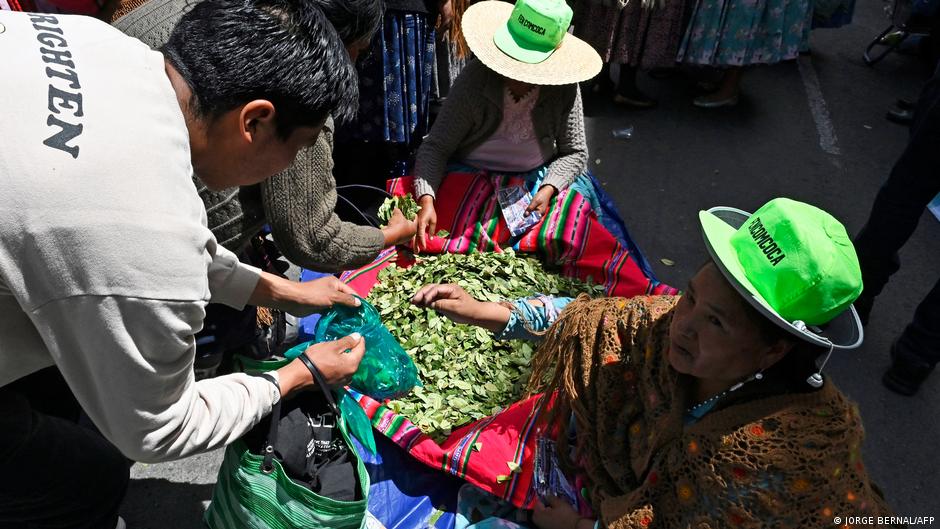
Bolivia ranks as the world’s third-largest producer of cocaine, a fact that underscores the strategic importance of this agreement for US drug policy and regional security. The renewed partnership could help curtail the flow of narcotics that adversely affect American communities and markets, while also stabilizing Bolivia’s internal security environment—a key factor for US investors and multinational companies operating in Latin America.
For US businesses, enhanced law enforcement collaboration may reduce risks associated with illicit trafficking networks that can disrupt supply chains and increase costs. Furthermore, this agreement may pave the way for broader economic and diplomatic engagement, opening new avenues for trade and investment.
While this accord does not yet restore full diplomatic relations, the move signals a pragmatic approach from both governments, prioritizing shared interests in combating drug-related crime. Washington’s financial commitment and technical support may serve as leverage to deepen ties and encourage reforms within Bolivia’s security apparatus.
As the US continues to grapple with the domestic impact of narcotics, cooperation with key producer countries like Bolivia remains essential. This renewed collaboration could form part of a wider strategy to disrupt narcotics supply chains at their source, benefiting US public health and economic stability.