Bulgaria to Veto New EU Sanctions on Russia, Citing Economic Risks and Religious Leader Restrictions
Bulgarian Prime Minister opposes expanded EU sanctions on Russia, highlighting potential harm to local economy and key energy sector assets.
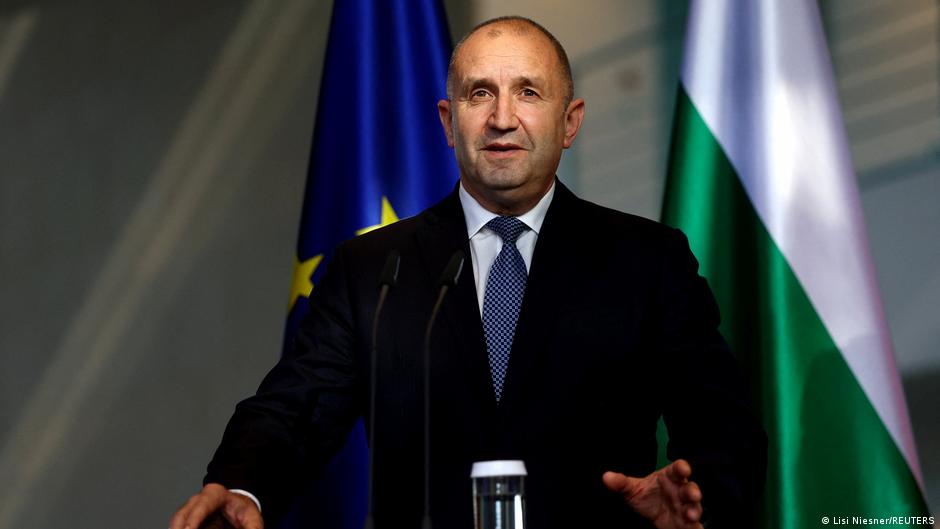
Bulgaria has announced it will veto the European Union's latest package of sanctions against Russia, with Prime Minister Rumen Radev expressing concerns over the impact on Bulgaria's economy and opposing restrictions targeting the Russian Orthodox Church's Patriarch Kirill.
Economic Concerns Centered on Lukoil and Supply Chains
Speaking ahead of an EU summit in Brussels, Radev underscored the significant risks posed by the sanctions to "Lukoil," one of Bulgaria's largest fuel retailers and the operator of the country's only oil refinery in Burgas. He urged EU decision-makers to remove Lukoil from the sanctions list to prevent harm to Bulgaria’s energy infrastructure.
"There is a substantial risk to Lukoil's operations. We want the company excluded from the sanctions," Radev said, highlighting a critical concern for Bulgarian energy security.
Additionally, the prime minister warned of potential disruptions to crucial supply chains, including spare parts for Sofia's metro system and fertilizer imports, which could further strain Bulgaria’s economy.
"How have these sanctions so far stopped the war? And how have they contributed to peace?" Radev questioned, emphasizing the need for pragmatic assessment of the sanctions' effectiveness.
Despite his opposition to the sanctions, Radev reaffirmed Bulgaria's support for Ukraine's EU accession negotiations, signaling a nuanced stance balancing economic interests with geopolitical commitments.
EU’s Expanded Sanctions Target Russian Military-Industrial Complex and Oil Exports
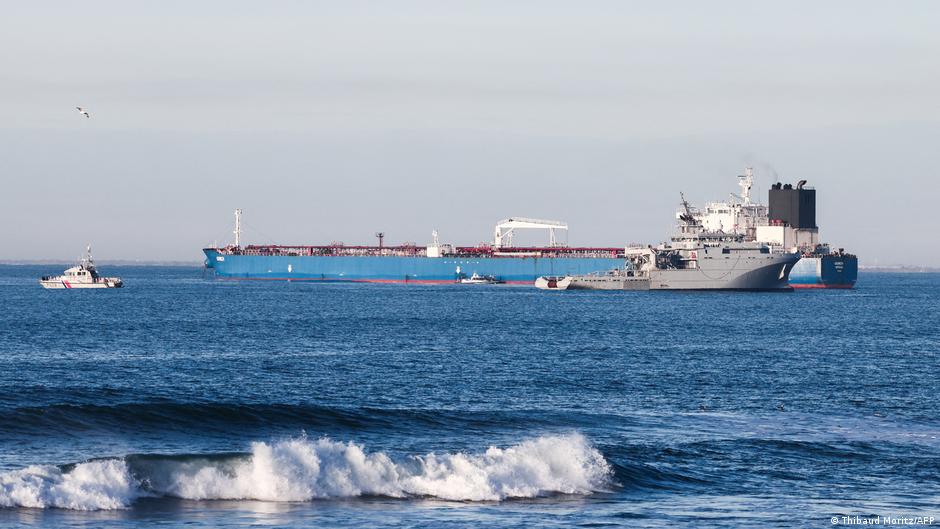
On June 15, the EU expanded its sanctions against Russia, adding 34 individuals and 47 entities to restrictive lists. The new measures target companies involved in Russia's military-industrial sector and those facilitating Russian oil exports, including through the so-called "shadow fleet." Notably, entities such as "Lukoil-West Siberia" and companies registered in Russia, Liberia, Turkey, the UAE, Azerbaijan, and Hong Kong were included.
The sanctions also extended to influential figures linked to Russian state media and the Orthodox Church, including Anatoly Kuzichev, host of the prominent TV program "Vremya Pokazhet" on Channel One Russia, and Metropolitan Tikhon of Simferopol and Crimea, known as President Vladimir Putin's spiritual advisor.
Implications for U.S. Businesses and Washington
Bulgaria’s veto highlights the challenges the EU faces in presenting a unified front against Russia, with economic dependencies complicating policy decisions. For American companies, particularly those engaged in energy markets and Eastern European supply chains, this development signals potential volatility and underscores the importance of monitoring regional sanctions dynamics.
From a Washington perspective, understanding Bulgaria's economic concerns may inform U.S. diplomatic strategies aimed at reinforcing EU cohesion and ensuring that sanctions effectively target Russia without unintended disruptions to allied economies.
As the EU navigates these internal disagreements, American businesses must also consider the evolving sanctions landscape's bottom-line impact, particularly in sectors like energy, infrastructure, and agriculture that are sensitive to supply chain interruptions.