Communists Secure Victory in Graz Municipal Elections, Highlighting Housing Policy Focus
Austria’s second-largest city elects Communist Party to lead city council, emphasizing moderate rhetoric and housing initiatives, with implications for US-Austrian economic ties.
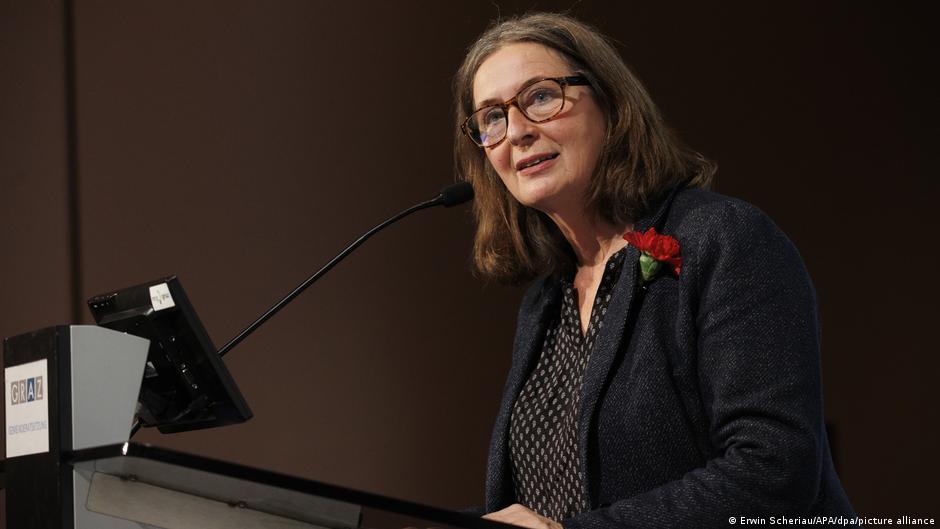
In a striking political development, the Communist Party of Austria (KPÖ) has once again emerged as the leading force in municipal elections held in Graz, Austria’s second-largest city, on June 28. The KPÖ secured 35.63% of the vote, translating into 18 of the 48 seats in the city council, maintaining its position as the dominant political group in the city.
Communist Victory Rooted in Housing Policy and Pragmatism
This marks KPÖ’s second consecutive win in Graz’s city council elections, following their initial breakthrough in 2021 where they garnered 28.84% of the vote. Analysts note that the party's success is largely attributed to its strong focus on housing policy and pragmatic, moderate rhetoric that resonates with urban voters, avoiding the confrontational populism often associated with far-left movements.
“Graz votes differently” has once again been validated, as the KPÖ continues to defy national trends by securing strong local support.
Elke Kahr, elected mayor in 2021 with support from social democrats and the Greens, has been a central figure in the party's rise, known for her practical work in housing and urban development. The Graz KPÖ emphasizes traditional communist values such as social struggle and criticism of capitalism, but Kahr herself adopts a cautious tone on these themes, focusing more on delivering tangible outcomes for residents.
However, Kahr’s past statements have stirred controversy in international circles. She criticized the effectiveness of European Union sanctions against Russia following its full-scale invasion of Ukraine, arguing that economic penalties disproportionately burden the civilian population despite condemning the aggression itself. This stance could influence US policymakers' and businesses' perceptions of the local political climate.
Political Landscape and Implications for US Business
On the election’s other side, the conservative Austrian People's Party (ÖVP) secured second place with 25.35%, followed by the Greens at 14.84%. The right-wing populist Freedom Party of Austria (FPÖ), while popular nationally—having topped the polls in the 2024 parliamentary elections—only managed 12.2% in Graz, placing fourth locally. Nationally, right-wing populists failed to form government despite their parliamentary success, with a coalition government led by ÖVP’s Christian Stocker taking office.
For US businesses operating in Austria or considering investments, the KPÖ’s dominance in Graz signals a local political environment prioritizing social welfare policies, particularly affordable housing, and a cautious approach toward economic sanctions impacting global supply chains. This could affect sectors such as real estate investment, construction, and companies engaged in trade affected by EU-Russia sanctions.
Additionally, Graz’s unique political profile highlights a broader trend of local governments in Europe diverging from national political dynamics, underscoring the need for US policymakers and business leaders to adopt nuanced, localized strategies when engaging with European markets.



