Drone Attacks on Kharkiv and Odesa Raise Concerns for US Business Interests in Ukraine
Recent drone strikes on residential buildings in Eastern Ukraine highlight ongoing security risks impacting American investments and regional stability.
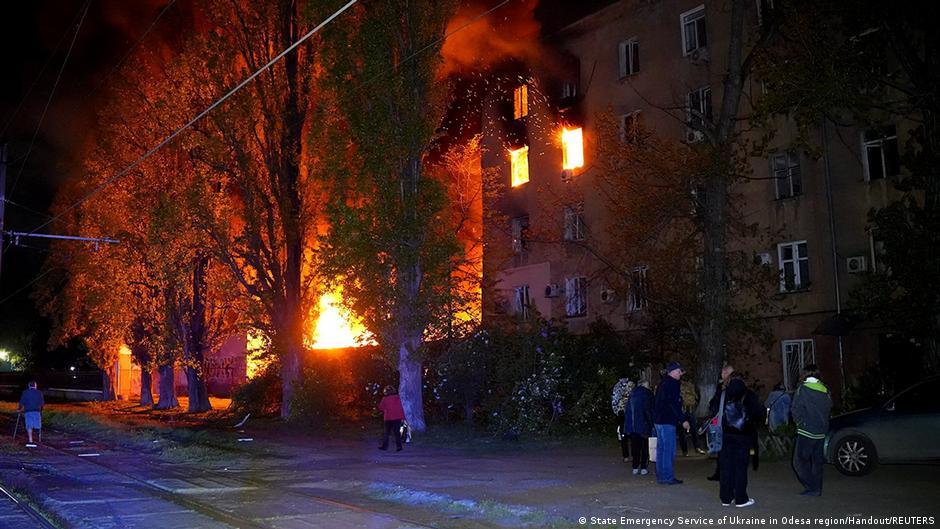
In the early hours of June 1, multiple drone strikes targeted residential buildings in the Ukrainian cities of Kharkiv and Odesa, resulting in injuries and significant property damage. According to local authorities, at least seven people were hurt in these attacks, underscoring the persistent volatility in the region that continues to affect both civilian life and international business operations.
Impact of Drone Attacks on Civilian Infrastructure and US Business Exposure
The attacks involved Russian unmanned aerial vehicles (UAVs) striking several multi-story residential buildings. In Odesa, a nine-story residential building was hit, causing partial collapses on the first and second floors and igniting a fire. The facade and balconies of the building also sustained damage. Additionally, fires erupted in two single-story non-residential buildings nearby. Four civilians in Odesa suffered injuries due to the strikes.
Meanwhile, in Kharkiv, a five-story residential building, garages, and vehicles were damaged by drone strikes, resulting in fires. The attacks extended to two other districts of Kharkiv, where at least three private homes were damaged. The city of Bohodukhiv in Kharkiv Oblast also recorded a UAV strike causing injuries, including a 34-year-old resident of Kharkiv and a 39-year-old resident of Bohodukhiv.
"The use of drones to strike civilian residential areas not only inflicts human suffering but also raises profound security concerns for foreign businesses operating in or near conflict zones," said an analyst monitoring the conflict's economic impact.
For American companies with investments or supply chains linked to Ukraine, the heightened risk of drone and missile attacks underscores the fragility of the operating environment. Sectors such as logistics, manufacturing, and agriculture — areas where US firms have shown interest — face challenges including damage to infrastructure, increased insurance costs, and disrupted operations.
These strikes followed a broader offensive by Russian forces, which launched 229 drones against Ukrainian targets on May 30-31. The Ukrainian Air Force reported that 14 strike drones successfully hit 11 locations, while debris from downed drones fell in five other areas. Among the casualties was a 58-year-old man killed in a strike on an enterprise in Chernihiv Oblast, where a fire also destroyed seven vehicles in a parking area.
From a Washington perspective, the ongoing drone warfare highlights the complexities facing US policymakers balancing support for Ukraine's sovereignty with the risks posed to American economic interests. Increased instability could prompt reconsideration of risk management strategies by US firms, as well as influence legislative discussions on aid and security assistance packages.
Moreover, these attacks illustrate the evolving nature of modern warfare, where drones enable adversaries to conduct targeted strikes with relatively low risk and cost. This development has implications for US defense industry priorities and cybersecurity efforts aimed at protecting commercial and military infrastructure both domestically and abroad.
In summary, the recent drone strikes on Kharkiv and Odesa not only represent a humanitarian crisis but also pose tangible challenges to US business interests in Ukraine. As the conflict persists, American companies and policymakers must navigate an increasingly precarious environment where security threats directly influence economic stability and investment decisions.