EU Extends Sanctions on Russia for One Year Amid Shift in Hungarian Leadership
The EU agrees to prolong sanctions against Russia for 12 months, marking increased pressure on Moscow with implications for US businesses tied to energy and trade.
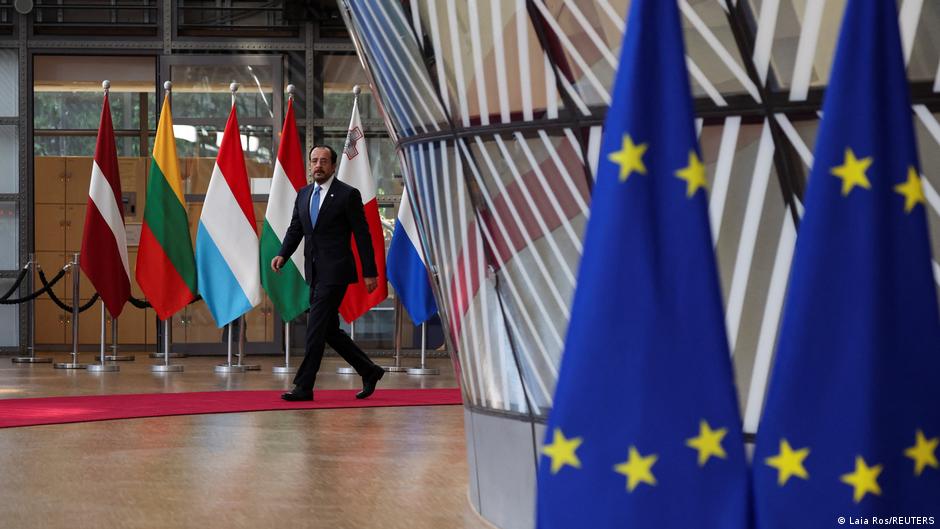
In a significant development at the EU summit in Brussels on June 18, member states agreed for the first time to extend sanctions imposed on Russia for a full year rather than the usual six months. This shift reflects a new political dynamic within the bloc, particularly following the replacement of Hungary’s former Prime Minister Viktor Orban, who had previously blocked longer extensions.
Political Shift Enables More Robust EU Sanctions
The extension was agreed upon after Hungary’s new Prime Minister Peter Marki-Zay, who took office in May, withdrew the veto that had previously prevented longer sanction periods. Orban’s tenure from 1998 to 2002 and then 2010 to 2026 was marked by resistance to certain EU measures against Russia, complicating the bloc’s unified stance.
The formal ratification of the one-year extension is expected in the coming weeks by the EU Council. This development signals a more cohesive European approach toward Russia’s ongoing war against Ukraine, emphasizing sustained economic pressure.
“The EU intends to further intensify pressure on Russia to weaken its military economy and push for meaningful peace negotiations,” stated the joint declaration supported by all 27 EU countries for the first time since December 2024.
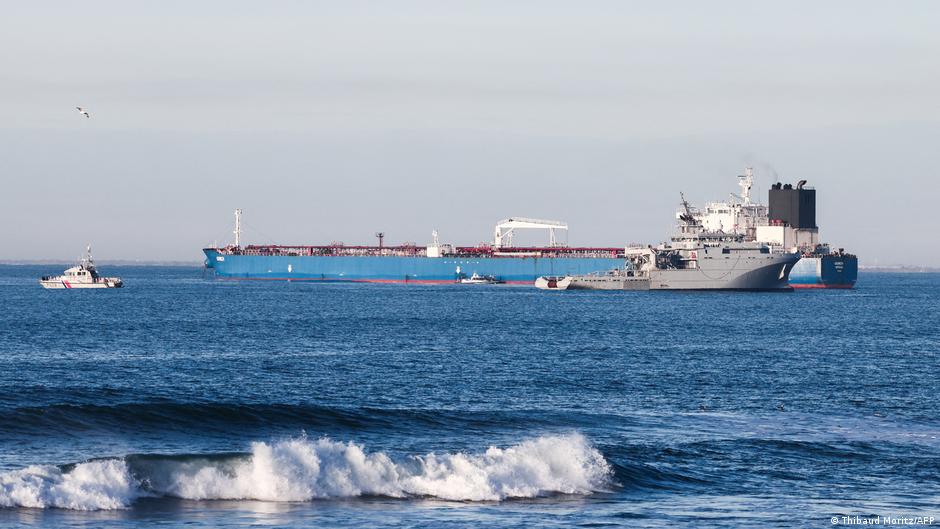
The declaration also highlights the importance of curbing Russia’s revenues from energy exports, including efforts to counteract the so-called "shadow fleet" that evades sanctions. The EU is preparing to adopt a 21st package of sanctions, details of which are still pending but expected to include new restrictions targeting Russian military personnel, senior religious figures such as Patriarch Kirill of the Russian Orthodox Church, and prominent individuals connected to the Kremlin.
Implications for US Businesses and Washington
For Washington and American companies, the EU’s decision to extend sanctions for a full year and potentially broaden their scope carries several implications. First, the extension signals the EU’s commitment to a prolonged economic campaign against Russia, potentially influencing global energy markets. US energy firms and related industries should prepare for sustained volatility in European energy supplies and continued pressure on Russian fossil fuel revenues.
Additionally, new sanctions targeting sectors like finance, trade, and fishing may affect multinational companies engaged with Russian markets or relying on supply chains connected to the region. US businesses with interests in these areas may face increased compliance costs and risks.
Furthermore, the EU’s unified stance enhances coordination with US-led sanctions, amplifying the overall impact on Russia’s economy and demonstrating transatlantic solidarity. This could lead to more synchronized policy efforts moving forward, affecting diplomatic and commercial relations.
However, internal EU dissent remains a factor. Bulgaria’s Prime Minister Rumen Radev has already signaled intentions to veto the new sanctions package, citing concerns about his country’s economy and opposition to sanctions on Patriarch Kirill. This discord points to continuing challenges within the EU that Washington will monitor closely as it considers its own strategic and economic responses.
The EU’s ongoing support for Ukraine’s EU membership negotiations also aligns with US policy interests, emphasizing a shared Western approach to countering Russia’s aggression.
In summary, the EU’s extended and potentially expanded sanctions regime underscores a more assertive European posture that will affect Washington’s diplomatic calculus and create tangible impacts for American businesses operating in or with Europe and Russia.