EU Initiates Quiet Diplomatic Contacts with Kremlin Amid Ukraine Conflict
The European Council undertakes discreet talks with Russia to explore potential ceasefire discussions, signaling possible shifts affecting US interests.
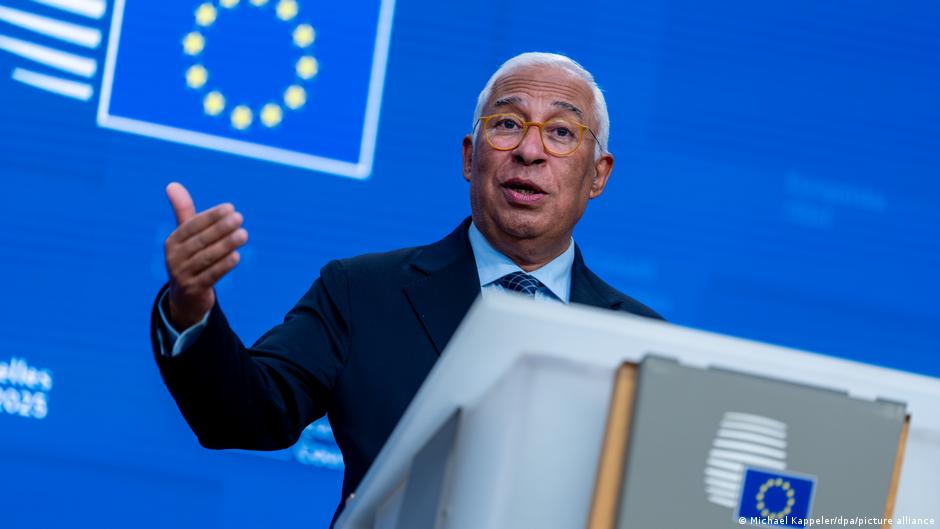
The European Union has initiated discreet diplomatic contacts with Kremlin officials in an effort to lay the groundwork for potential peace negotiations concerning the ongoing conflict in Ukraine. According to informed sources, the European Council President António Costa’s advisor engaged in two separate phone conversations with a high-ranking Russian official close to President Vladimir Putin.
While the exact timing and identities involved in these communications have not been publicly disclosed, these outreach efforts indicate a strategic pivot within the EU to engage Moscow directly. Neither Costa’s spokesperson nor Kremlin press secretary Dmitry Peskov have commented publicly on these contacts.
Implications for US Business and Political Interests
From Washington’s perspective, these developments raise important considerations for American business and foreign policy stakeholders. The EU’s willingness to pursue quiet channels with Russia reflects European leaders’ growing urgency to de-escalate the costly conflict, which has already disrupted global supply chains and markets—areas where US companies have substantial exposure.
“There is potential for negotiations with Putin,” António Costa stated earlier in May, emphasizing the EU’s preparations for talks once the timing is deemed appropriate.
The EU’s approach, reportedly aligned with consultations involving Ukraine’s President Volodymyr Zelensky, also includes discussions among Europe’s major economies—Germany, France, and the United Kingdom—on strategies to bring Putin to the negotiating table. This multilateral coordination, while separate from US-led initiatives, signals Europe’s intent to manage the conflict’s trajectory, which directly affects American companies dealing with energy, commodities, and defense sectors.
With Russian military advances stalled and Ukrainian counteroffensives gaining momentum, coupled with rising economic sanctions and operational costs, the calculus for Moscow to engage in dialogue appears to be shifting. For US businesses, any resulting ceasefire or peace talks could alter market dynamics, sanctions landscapes, and geopolitical risks that currently influence investment decisions and supply chain strategies.
Moreover, Washington’s diplomatic posture may need to adapt as European powers take more proactive roles in negotiating with Russia. Coordination between the US and EU will be critical to ensure a unified approach that safeguards American interests while supporting efforts to end hostilities.
As the situation evolves, US policymakers and corporate leaders alike should monitor these low-profile EU-Kremlin interactions closely. Their outcomes could herald significant changes in the geopolitical environment, affecting everything from energy prices to transatlantic defense cooperation.