EU Launches First Negotiation Cluster for Ukraine and Moldova’s EU Accession Talks
The EU has initiated formal negotiations on Ukraine and Moldova’s membership, marking a shift from preparatory steps to concrete accession discussions.
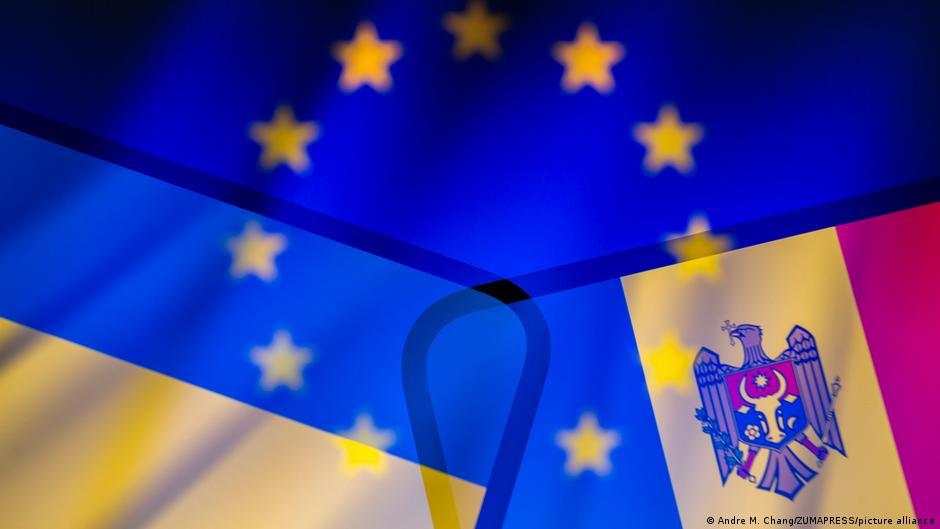
The European Union has officially launched the first negotiation cluster concerning the accession of Ukraine and Moldova, signaling a pivotal transition from preliminary preparations to detailed discussions on membership conditions.
On Monday, June 15, EU foreign ministers convened in Luxembourg to open this initial cluster, which represents the beginning of a structured evaluation and alignment process for both countries’ integration into the EU framework. The launch was confirmed by diplomats from Cyprus, the current president of the Council of the European Union.
“We have all long awaited this day, and today we can finally celebrate,” said Marilena Raouna, Cyprus’s Deputy Minister for European Affairs. “The future of Ukraine and its citizens is firmly tied to the European Union.”
Implications for US Businesses and Washington
The commencement of formal EU accession talks with Ukraine and Moldova carries significant implications for US business interests and strategic policy considerations in Washington. As Ukraine and Moldova work toward harmonizing their legislation and regulatory frameworks with EU standards, American companies operating in or with these countries may encounter new compliance requirements and opportunities aligned with EU norms.
Moreover, the EU’s deepening political and economic integration of Eastern European countries serves as a critical counterbalance to Russian influence in the region, a factor that US policymakers closely monitor. Washington’s support for Ukraine, particularly in the context of ongoing geopolitical tensions, aligns with encouraging stability and economic development that underpin transatlantic security and trade relationships.
The negotiation process is divided into six clusters covering diverse policy and legislative areas. The opening of the first cluster marks the start of substantive reform evaluations, where Ukraine and Moldova’s national laws will be scrutinized for compliance with EU legislation, potentially affecting sectors ranging from trade and investment to environmental and labor standards.
For US companies, especially those in sectors such as finance, technology, manufacturing, and agriculture, these changes present both risks and opportunities. On one hand, adopting EU standards could increase operational costs or require adjustments in supply chains. On the other, closer alignment with the EU might facilitate smoother market access and partnerships across Europe.
From a political standpoint, Washington is likely to view the EU’s active engagement in Ukraine and Moldova as reinforcing a rules-based international order that benefits American economic and security interests. Encouraging EU enlargement in Eastern Europe can also help cement democratic governance and economic reforms, which are key pillars of US foreign policy in the region.
As the accession talks progress, US businesses and policymakers will need to closely monitor developments, ensuring that American interests are represented and that companies are prepared to adapt to evolving regulatory landscapes.