EU Says Russia Gave No Peace Signals at G20 Meeting in Atlanta
Kaja Kallas called for greater pressure on Moscow after Sergey Lavrov showed no readiness to negotiate an end to the war in Ukraine.
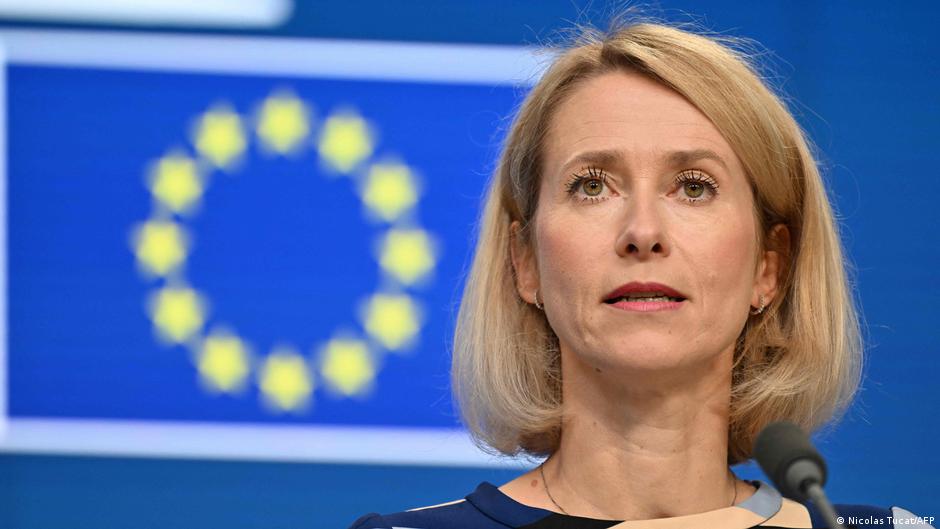
Russia offered no indication that it was prepared to pursue peace negotiations over Ukraine during a Group of 20 foreign ministers’ meeting in Atlanta, according to Kaja Kallas, the European Union’s high representative for foreign affairs and security policy.
Kallas said Friday, Oct. 30, that Russian Foreign Minister Sergey Lavrov had not demonstrated any willingness by Moscow to enter substantive talks or make concessions aimed at ending the war. Her assessment, delivered after the gathering in the United States, presents Washington with renewed questions about how much diplomatic engagement can achieve without additional economic and political pressure on the Kremlin.
Asked by an AFP journalist whether Lavrov had signaled readiness to compromise, Kallas answered in the negative. She argued that Moscow’s conduct remained more significant than any public assurances Russian officials might offer.
“Even if they claimed otherwise in words, their actions say something else,” Kallas said.
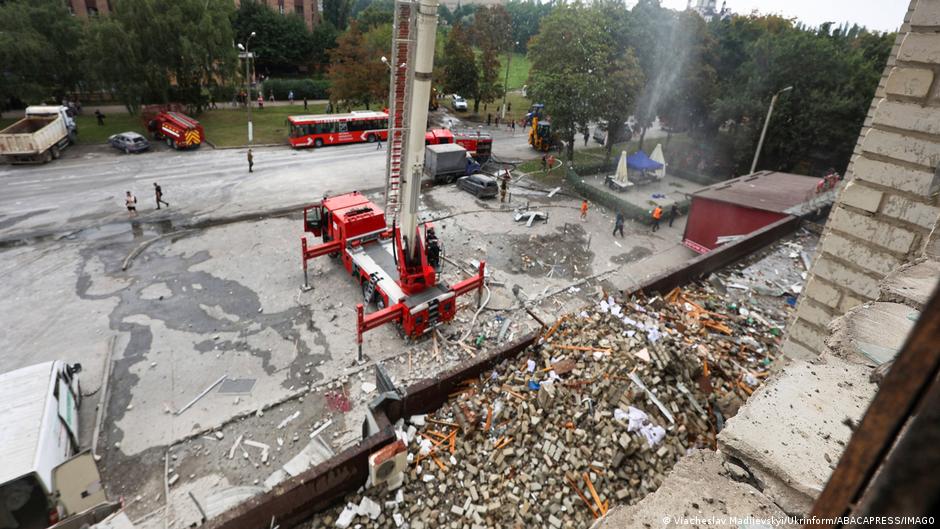
Russia must demonstrate “in practice that it is ready for negotiations,” she added. Kallas pointed to July, August and September as the deadliest months for Ukrainian civilians, citing the human cost of the continuing conflict as evidence that Moscow’s behavior did not match the posture of a government preparing for peace.
Pressure Debate Returns to Washington
The comments are likely to reinforce arguments in Washington for maintaining or increasing pressure on Russia rather than treating diplomatic contact alone as evidence of progress. For US policymakers, the distinction has implications for sanctions, coordination with European allies and the level of economic and military support provided to Ukraine.
Kallas explicitly called for greater pressure on Moscow. She also accused Lavrov of presenting falsehoods and distorted information during the G20 discussions, saying other participants were subsequently able to rebut his claims.
“Of course, he voiced many lies, many distorted facts, which we were later able to refute,” Kallas said.
The dispute unfolded on American soil, placing the United States at the center of a diplomatic encounter that highlighted the continued divide between Russia and European governments. The Atlanta meeting provided a venue for direct contact, but Kallas’s account suggested that the discussions produced no visible shift in Russia’s position on Ukraine.
For American companies, the absence of a diplomatic breakthrough means that the business environment shaped by the war is unlikely to normalize quickly. Existing constraints involving Russia, elevated geopolitical risk and uncertainty surrounding European security remain central considerations for compliance teams, multinational supply chains and corporate investment planning. Kallas did not announce any specific new sanctions or business restrictions, but her call for stronger pressure points toward continued policy scrutiny in both Washington and European capitals.
European Ministers Reject Normalization
The diplomatic tension was also visible in the conduct of European participants. German Foreign Minister Johann Wadephul said earlier that European representatives at the G20 foreign ministers’ meeting declined to join a group photograph with Lavrov because of the continuing war in Ukraine.
“There are no normal relations with Russia,” Wadephul said. He acknowledged that contact with Russian officials remained necessary so governments could discuss their disagreements. However, he stressed that such engagement should not create the impression that relations had returned to their customary format.
That position reflects a broader challenge for the United States and its European partners: maintaining channels of communication with Moscow while avoiding symbolic steps that could be interpreted as political normalization. The refusal to participate in the photograph offered a visible expression of that policy, separating practical diplomatic contact from the restoration of routine relations.
For Washington, European unity remains important to the durability of measures intended to constrain Russia. Differences between the United States and Europe over the timing or intensity of pressure could affect sanctions enforcement, cross-border business rules and the expectations of companies operating across both markets. The statements from Kallas and Wadephul indicated that key European officials continued to favor a firm posture.
The Atlanta meeting therefore delivered little evidence of movement toward a settlement. Instead, it underscored the gap between Russia and European governments over what would constitute credible readiness for negotiations. Kallas’s message was that verbal claims are insufficient and that Moscow must change its actions before its peace overtures can be treated as genuine.
Until such a change is visible, US officials and businesses face a continued period of geopolitical uncertainty. The immediate bottom-line implication is not a newly announced rule, but the persistence of the policy environment created by the war: sustained pressure on Russia, close coordination with allies and limited grounds for companies to anticipate a rapid return to normal commercial relations.