European Leaders Endorse US-Iran Deal Amid Calls to Prevent Iran's Nuclear Armament
France, Germany, UK, and Italy back the US-Iran agreement as a step toward regional stability but insist Iran must not acquire nuclear weapons.
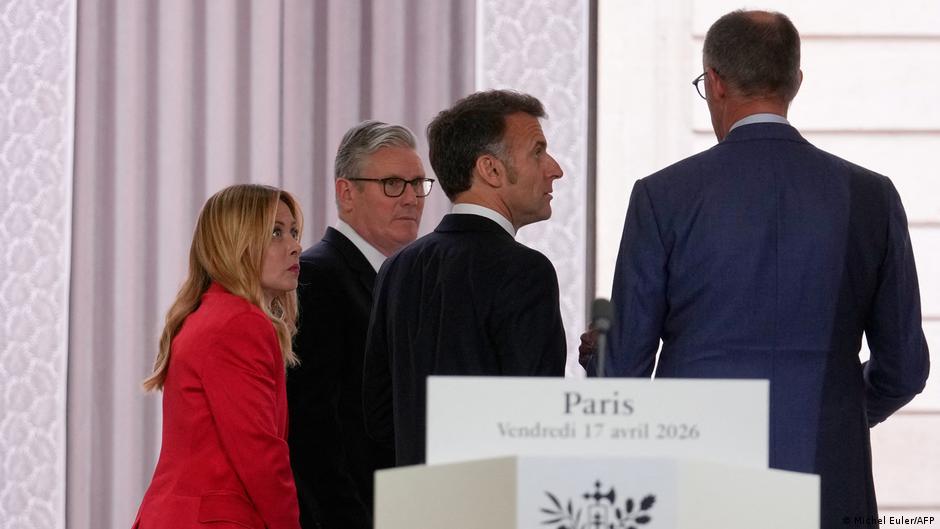
Leaders of France, Germany, the United Kingdom, and Italy welcomed the upcoming US-Iran peace agreement, scheduled for signing on June 19, viewing it as a crucial move toward ending conflict and restoring stability in the Middle East. Their joint statement, released on June 15, emphasized the potential for the deal to foster regional calm and stabilize the global economy.
Concerns Over Nuclear Weapons and Economic Implications
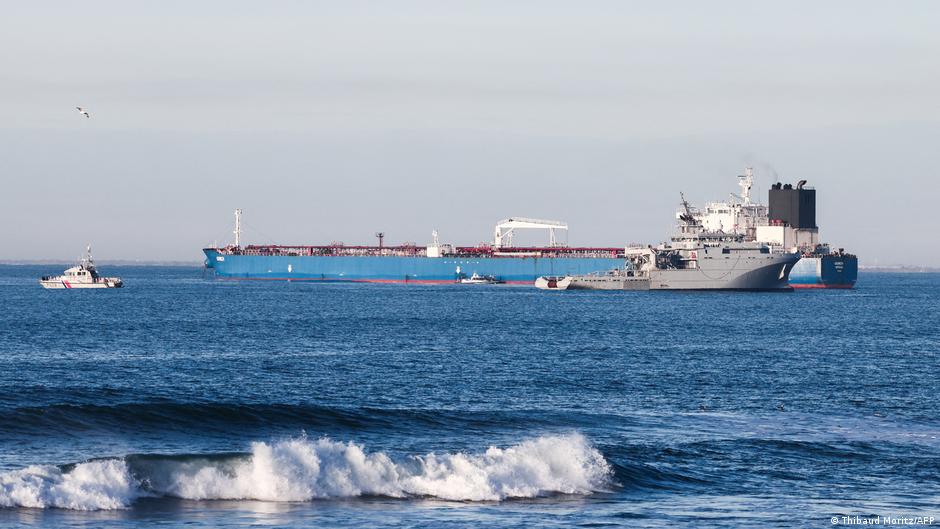
While praising the diplomatic breakthrough, the European leaders underscored the importance of swift and comprehensive implementation of the agreement. They highlighted the urgent need to resume unimpeded maritime navigation through the Strait of Hormuz, a vital shipping lane for the world’s energy markets, pledging support for efforts including clearance of maritime mines.
“Iran must under no circumstances acquire nuclear weapons. We are prepared to work with the US, Iran, and the IAEA to achieve this goal,” the leaders stated.
French President Emmanuel Macron and British Prime Minister Keir Starmer issued separate statements underscoring their concerns and expectations from the deal. Starmer emphasized that freedom of navigation in the Strait of Hormuz must be restored without any tolls or fees, a measure aimed at mitigating economic disruptions caused by the US-Israel-Iran conflicts affecting global markets.
Macron expressed worries about Iran’s nuclear and ballistic missile programs, aligning with Starmer’s firm stance that Iran should never possess nuclear weapons. This position was reiterated in the joint declaration, which proposed conditional sanctions relief in exchange for clear, verifiable steps from Iran to limit its nuclear activities.
Implications for US Businesses and Washington
From a Washington perspective, the agreement offers pathways to de-escalate tensions that have disrupted energy markets and global supply chains, directly impacting American businesses reliant on stable oil prices and regional trade routes. Renewed stability in the Strait of Hormuz could reduce volatility in energy costs, benefiting US industries and consumers alike.
Moreover, the deal could ease geopolitical risks that complicate American investment and operations in the Middle East, potentially opening doors for US firms to engage in reconstruction and commercial ventures as regional tensions subside.
However, US policymakers will need to closely monitor Iran’s compliance with nuclear restrictions to ensure that economic incentives do not inadvertently facilitate weapons development. Ongoing cooperation with European allies and the International Atomic Energy Agency (IAEA) will be critical to maintaining rigorous verification mechanisms.
As the US prepares to finalize the agreement, business leaders in Washington should anticipate shifts in energy markets and regional security dynamics that could influence corporate strategy and international trade relations. The deal marks a significant diplomatic effort with wide-ranging implications for American economic interests and foreign policy.