G7 Nations Pledge New Sanctions on Russian Energy and Increased Military Aid to Ukraine
G7 leaders commit to intensifying sanctions on Russia’s oil and gas sectors and expanding weapons supplies to Ukraine amid ongoing conflict.
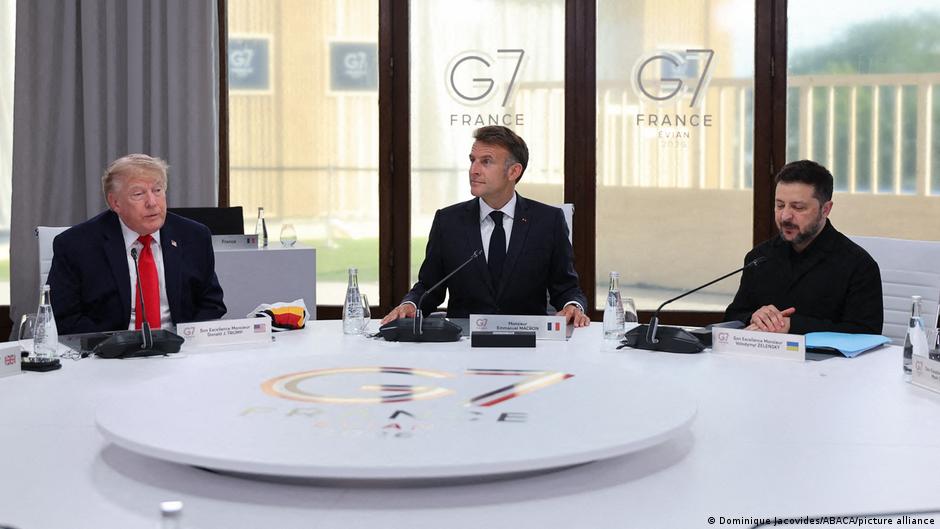
At their summit in Évian-les-Bains, France, the Group of Seven (G7) nations announced a joint commitment to impose new sanctions targeting Russia’s oil and gas industries. This move aims to increase economic pressure on Russia’s military capabilities amid the ongoing conflict in Ukraine.
The G7 leaders—comprising Germany, the United States, the United Kingdom, France, Italy, Japan, and Canada—issued a final statement in the early hours of June 17, affirming their resolve to strengthen sanctions specifically against Russia’s hydrocarbon sector.
Strategic Timing and Coordination
The statement emphasized that the timing for these new sanctions is opportune, particularly following the recent agreement facilitated by former U.S. President Donald Trump with Iran to reopen the Strait of Hormuz, a key transit route for oil and gas exports. This development could help mitigate potential global energy supply disruptions resulting from the sanctions.
"We commit to increasing pressure on Russia’s war economy. In this context, we will reinforce our sanctions, including measures against the oil and gas sector," the G7 declaration stated.
The G7 also reiterated their unwavering support for Ukraine's sovereignty and territorial integrity, acknowledging the country’s resilience despite sustained attacks on critical infrastructure and cultural sites. They highlighted recent battlefield gains by Ukrainian forces and noted a shift in dynamics favorable to Ukraine.
Enhanced Military Support to Ukraine
To capitalize on this "new dynamic," the G7 leaders pledged to escalate deliveries of advanced air defense systems, interceptors, long-range weaponry, and other military aid to Ukraine. Additionally, they committed to exploring the licensing of increased domestic military production within Ukraine to bolster its defense capabilities.
Energy support remains a priority, with the G7 promising continued assistance aimed at helping Ukraine endure the upcoming winter months, a period when energy needs typically surge.
This coordinated approach signals a sustained and strategic effort by the leading global economies, including the United States, to curtail Russia’s military resources while empowering Ukraine to defend itself more effectively. The implications for American energy and defense companies are significant, as expanded sanctions and increased arms deliveries could drive demand for U.S. equipment and technology. Moreover, the reopening of the Strait of Hormuz may stabilize global energy markets, mitigating some risks to U.S. businesses sensitive to oil price volatility.



