Iran Restores Missile Stockpiles Possibly with Russian Support, Bloomberg Reports
Intelligence sources indicate Iran has replenished its missile arsenal during a US ceasefire, potentially receiving new Russian-made weapons.
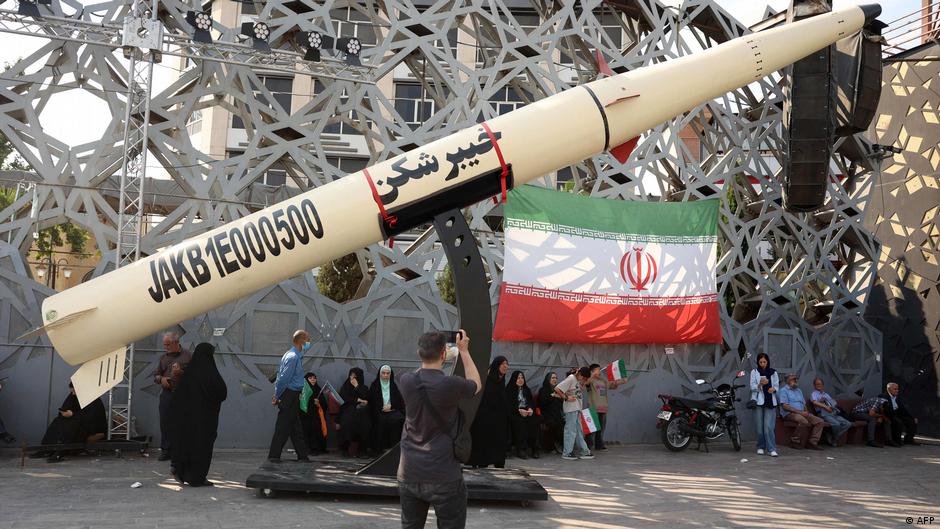
According to a report by Bloomberg citing intelligence sources, Iran has managed to restore its missile stockpiles during an eight-week ceasefire with the United States, potentially with the assistance of Russia. The report states that Iran's arsenal has not undergone critical depletion since March, despite ongoing regional tensions and hostilities.
Implications for US Strategic Interests and Business
Bloomberg's investigation reveals that during the ceasefire period, Russia may have supplied Iran with new missiles, including previously unseen Russian-made types likely produced within the last year. These developments come amid escalating confrontations between Iran, the US, and allied nations, highlighting the challenges Washington faces in limiting Tehran's military capabilities.
The report quotes unnamed Western intelligence officials who assert that Iran now holds approximately 75% of the missile munitions it had before the recent flare-ups initiated by US and Israeli strikes. This replenishment contrasts with earlier claims by US President Donald Trump, who in early June indicated that Iran retained only around 21-22% of its pre-conflict missile inventory.
"Iran has used the ceasefire strategically to restore sufficient firepower to mount a near full-scale retaliatory strike if hostilities resume," Bloomberg sources noted.
Moreover, analysts highlight that many Iranian ballistic missiles and their launchers had been buried under rubble in underground facilities, but Iran reportedly utilized the ceasefire to clear these sites and redistribute weapons to other locations.
From a Washington perspective, these findings complicate US decision-making related to military action or sanctions, as the rebuilding of Iran's missile arsenal may embolden Tehran's regional posture and threaten US interests. For American companies, particularly those in the defense sector, these developments could signal sustained demand for missile defense technologies and intelligence services.
Kelly Grillo, a senior fellow at the Washington-based Stimson Center, emphasized that Iran’s capability to produce inexpensive Shahed drones remains robust, representing a continual challenge. "Destroying Iran's drone manufacturing capacity completely is difficult," Grillo said, indicating that drone attacks have been more frequent than missile strikes.
Adding to the complex geopolitical landscape, President Trump announced plans to sign an agreement with Iran on June 14, coinciding with his 80th birthday, which would include reopening the Strait of Hormuz—a crucial transit route previously closed by Iran causing global fuel supply disruptions. However, Iranian officials have denied that a peace agreement will be signed by that date, underscoring the uncertainty surrounding diplomatic progress.
The ongoing ambiguity and conflicting messages from both sides suggest that while negotiations continue, US policymakers and businesses must prepare for persistent volatility in the Middle East that could affect energy markets, defense budgets, and multinational operations.