Latvian President Warns NATO to Prepare for Escalation with Russia, Emphasizes US Role
Latvian President Edgars Rinkēvičs urges NATO to signal proportional response to Russia amid concerns over European defense spending.
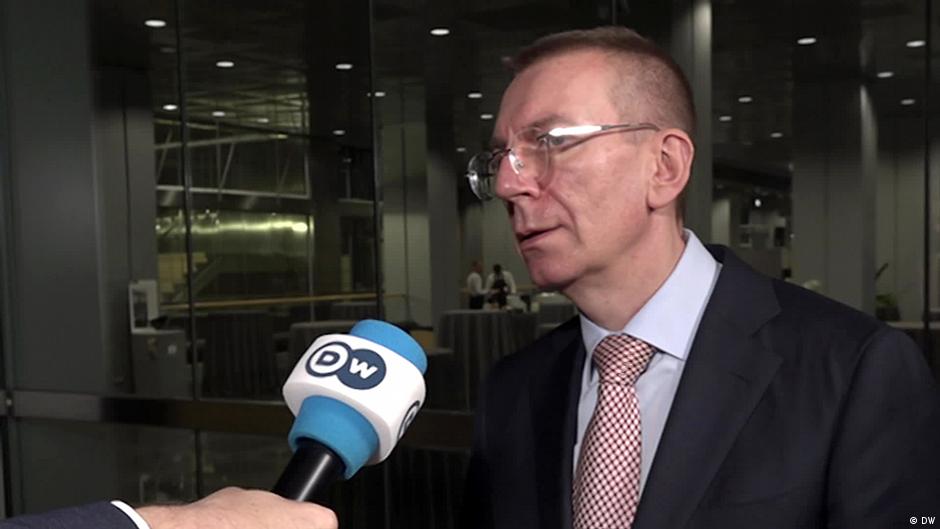
In a recent interview, Latvian President Edgars Rinkēvičs highlighted the urgent need for NATO to prepare for a potential escalation in tensions with Russia, warning that a direct confrontation between Moscow and the alliance cannot be ruled out. He stressed that current European defense expenditures, while increased, remain insufficient to significantly boost military capabilities.
Calls for Stronger NATO Deterrence and Enhanced US Partnership
Rinkēvičs explained that NATO must be ready for scenarios where Russia escalates the war and openly challenges the alliance. He called for a clear, firm message to be sent to the Kremlin: any aggression against NATO would meet a proportional collective response.
"If Russia challenges NATO, the alliance must respond proportionally," President Rinkēvičs warned.
He emphasized the indispensable role of the United States in European defense, noting that despite rhetoric from some European politicians, Washington remains a key partner. This underscores the strategic importance for US policymakers to sustain support for NATO capabilities and readiness, particularly in the Baltic region.
The Latvian leader also pointed out that achieving peace in Ukraine is impossible without active European involvement, aligning with broader US and NATO objectives to stabilize Eastern Europe and deter further Russian aggression.
European Defense Spending and Military Capacity Concerns
While NATO members agreed last year to raise defense spending to 5% of GDP, Rinkēvičs stated this target alone is insufficient. The core challenge lies not just in financial allocations but in translating budgets into real military strength — including adequate weapon systems, missiles, and equipment.
"Money is important, but we must have the arms and technology that these budgets are intended to procure," he said, signaling that US defense manufacturers and suppliers could see increased demand as European nations seek to upgrade their arsenals.
This analysis has implications for American businesses in the defense sector, suggesting potential growth areas linked to NATO’s modernization efforts and the alliance’s strategic posture towards Russia.
Diplomatic Engagement Ahead of NATO Summit
On July 3, prior to the upcoming NATO summit in Ankara, Rinkēvičs visited Berlin to meet with German Chancellor Friedrich Merz, alongside Estonia’s Prime Minister Kaja Kallas and Lithuania’s President Gitanas Nausėda. Following the meeting, Chancellor Merz stated that the security of the Baltic states is inherently tied to Germany’s security, reinforcing the interconnected nature of European defense.
For Washington, this affirming message from a key EU member state highlights the geopolitical stakes and the necessity for continued US leadership in NATO. It also reminds American companies of the business opportunities connected to European defense spending and military collaboration.