Russian Air Strikes on Sumy Raise Concerns for US Businesses Amid Escalating Conflict
Russian military drone and air missile attacks in Sumy result in civilian casualties, highlighting risks for American companies operating in Eastern Europe.
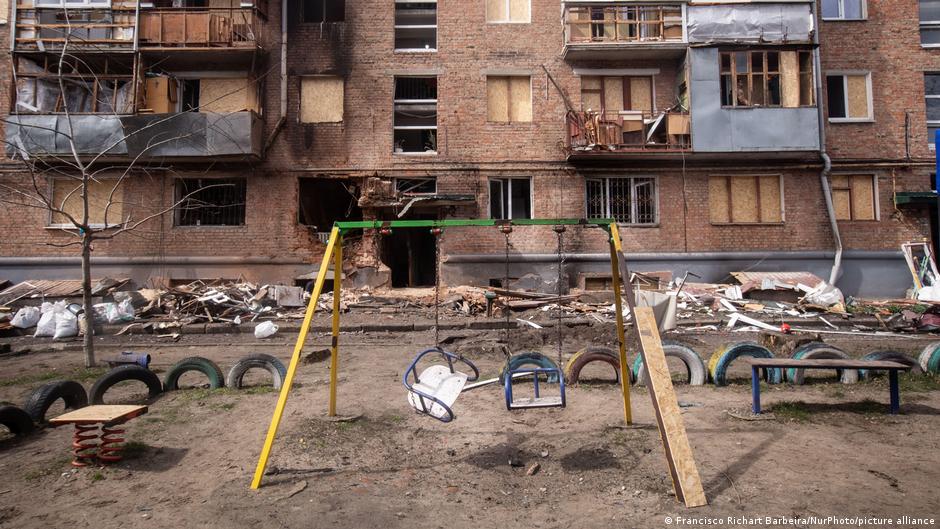
On the evening of July 3, Russian armed forces conducted a series of drone and air missile strikes targeting the city of Sumy in Ukraine. According to local military administration reports, the attacks resulted in four civilian deaths and 27 injuries, including seven children.
The assault specifically targeted the central area of Sumy, where a residential sector around Kovpakivskyi District was struck. A multi-story residential building, a local store, and nearby roads were heavily damaged during the bombardment. "There were many people at the site of the strike," stated Oleg Hryhorov, head of the Sumy Regional Military Administration.
Among the deceased were a 5-year-old girl and her mother, who could not be saved despite medical efforts. One other victim succumbed to injuries in hospital, while many others suffered severe trauma.
Implications for US Companies and Washington
The escalation of Russian attacks in Ukrainian urban centers like Sumy and Zaporizhzhia, where another simultaneous missile and drone strike killed two civilians and injured 21, underscores the growing volatility in regions critical to global supply chains. As US businesses increasingly engage with Eastern European markets, particularly in industries such as manufacturing, agriculture, and technology, the risk to infrastructure and personnel rises significantly.
These strikes not only endanger civilian lives but also threaten industrial assets, as evidenced by damage to residential and industrial sites in Zaporizhzhia. The disruption of Ukrainian industrial operations could have ripple effects on American firms relying on Ukrainian exports and on the broader stability of energy and commodity markets.
Washington faces a complex challenge balancing support for Ukraine with protecting American economic interests. The ongoing conflict complicates supply chain security, compels reassessment of risk management strategies, and may accelerate shifts toward diversifying trade partnerships away from conflict zones. Moreover, heightened violence may pressure US policymakers to increase sanctions or military aid, potentially impacting bilateral relations and global geopolitical alignments.
For US companies with operations or suppliers in Ukraine, these developments necessitate urgent review of contingency plans, insurance coverage, and employee safety protocols. The human toll reported in Sumy serves as a stark reminder of the conflict’s direct impact on communities and businesses alike.