Russian Defense Ministry Proposes Ending Mandatory Medical Exams for Contract Soldiers Amid Recruitment Struggles
Moscow seeks to ease medical screening requirements for military recruits, signaling deeper issues in Russia's manpower amid the Ukraine conflict.
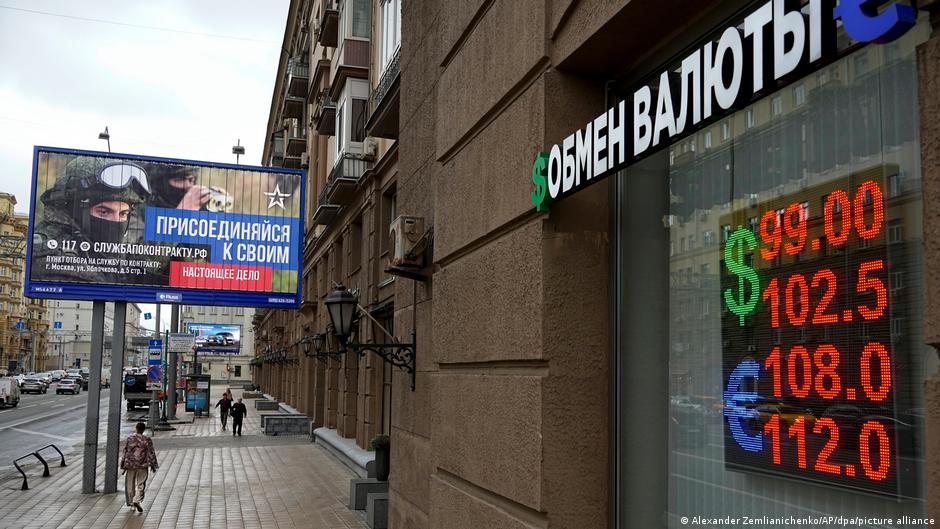
The Russian Defense Ministry has submitted a legislative proposal aiming to eliminate mandatory medical examinations for conscripted and contract soldiers, except in cases involving injuries or serious illnesses. This move highlights the growing challenges faced by Russia in maintaining troop levels as its military engagement in Ukraine continues.
Implications of Relaxed Medical Screening Requirements
The bill, which was publicly released for discussion on July 3 and is currently undergoing anti-corruption review, suggests that compulsory medical fitness assessments during mobilization or wartime would become conditional rather than standard practice. According to the draft amendments to the Military Service Law, only recruits with visible injuries or conditions that could impact their fitness for service would be subject to medical scrutiny.
"The legislation indicates significant difficulties in recruiting contract soldiers, as the ministry appears willing to forgo default medical evaluations," stated Grigory Sverdlov, head of the legal aid project 'Go Away,' which assists individuals in avoiding conscription.
This legislative shift points to a potential lowering of entry standards for military personnel, possibly to expedite enlistment amid reported shortages. The ministry intends to outline the specific medical examination procedures in further regulations.
Context: Recruitment Pressures and Strategic Consequences
Russia’s efforts to bolster its military ranks have intensified recently. President Vladimir Putin signed a law in late May forgiving debts for contract soldiers, aiming to incentivize enlistment. Additionally, recruitment drives have extended beyond Russia’s borders, targeting regions such as Belarus and China for support roles in the ongoing conflict. In the Penza region, authorities reportedly conducted raids to coerce men into signing military contracts.
These trends underscore the strain on Russia’s military manpower and raise concerns about the quality and readiness of forces being assembled under these relaxed standards. For U.S. policymakers and American defense firms, these developments may signal an evolving battlefield dynamic in Ukraine, potentially prolonging the conflict and affecting global security calculations.
Moreover, the prospect of a new mobilization round, as hinted by Russian media, could escalate tensions further, influencing geopolitical stability and impacting international defense supply chains.
For American businesses involved in defense and security sectors, monitoring Russia’s recruitment policies and military capacity provides critical insights into the potential trajectory of the Ukraine conflict and associated market demands.