Lithuania, Poland, and France Hold Joint Military Drills Near Suwalki Corridor Amid NATO-Russia Tensions
US allies conduct strategic exercises near critical Suwalki Corridor as NATO strengthens defenses against potential Russian aggression.
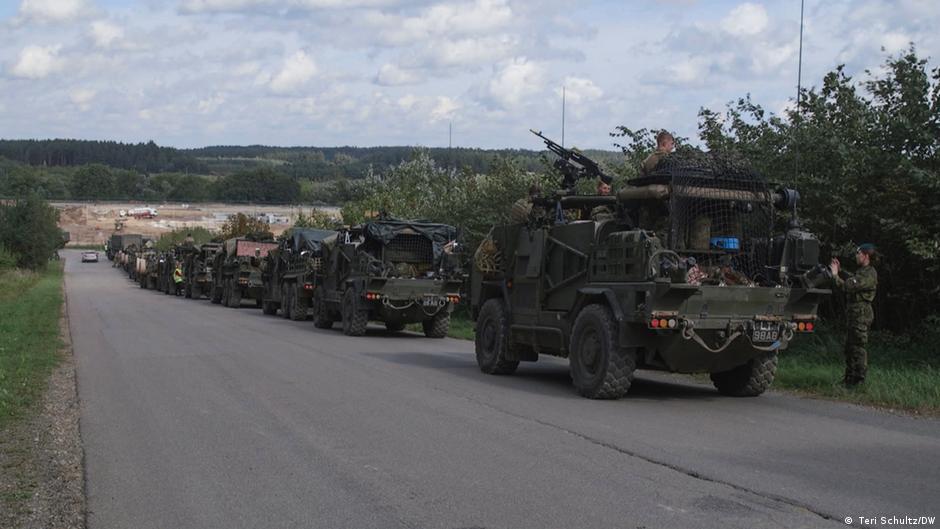
Amid escalating concerns over regional security and Russia's military posture, Lithuania, Poland, and France are conducting joint infantry exercises near the Suwalki Corridor, a narrow strip of land connecting the Baltic states to the rest of NATO and the European Union. The maneuvers, scheduled from June 16 to June 26, aim to enhance allied operational coordination and defense capabilities in this strategically vital region.
Strategic Importance of the Suwalki Corridor
The Suwalki Corridor, less than 100 kilometers long, lies between the Russian exclave of Kaliningrad and Belarus. It is a critical land link that connects Lithuania, Latvia, and Estonia with mainland NATO and the EU. Western military planners fear that in the event of a conflict escalation, Russia could attempt to sever this corridor, effectively isolating the Baltic states from allied reinforcements and complicating NATO's collective defense efforts.
To counter this threat, Poland and Lithuania are intensifying their military presence and joint defense operations in the area. The ongoing exercises, known as "Gallant Boar 2026," involve Lithuania’s mechanized Dragoon battalion of Grand Duke Butigeidis and the "Žemaitija" infantry brigade, alongside French forces. The drills emphasize synchronized infantry maneuvers and rapid response tactics necessary to defend the corridor effectively.
"The joint exercises aim to synchronize allied operations and sharpen the skills needed to secure the Suwalki Corridor against potential aggression," Lithuanian defense sources noted.
Construction of a new military training ground near the corridor was approved in April 2026 by the Lithuanian parliament, with completion expected by 2028. This facility will accommodate up to 4,000 troops, bolstering NATO’s readiness in the region.
Implications for US and NATO Defense Posture
For Washington, the developments underscore the ongoing challenge of deterring Russian aggression on NATO’s eastern flank. The US plays a pivotal role in the alliance’s defense strategy, providing command structures, logistics, and rapid deployment capabilities.
In response to the evolving threat environment, NATO is planning a new command structure designed to expedite troop deployments to Estonia and Latvia, enhancing the alliance’s ability to respond swiftly to any incursion. This move aligns with concerns expressed by high-ranking military officials, including the German Inspector General of the Bundeswehr, who warns of Russia’s increasing military buildup and strategic positioning directed westward.
Satellite imagery analyzed by Scandinavian and Baltic media outlets corroborates reports of expanded Russian military bases along its western border, signaling preparations for sustained military presence. Finnish defense expert Marko Eklund estimates that Russia may station approximately 115,000 troops in these forward positions.
Despite these developments, US Army General Christopher G. Cavoli, NATO’s Supreme Allied Commander Europe, remains confident that Moscow seeks to avoid direct confrontation with the alliance. He highlights NATO’s "asymmetric advantages," which pose significant deterrence against Russian aggression.
Economic and Business Considerations for the US
The heightened military activity and geopolitical tensions near the Suwalki Corridor have broader implications for American businesses and the US economy. Sustained instability in Eastern Europe risks disrupting trade routes and energy supplies vital to both European and global markets.
Moreover, the US defense industry stands to be impacted by increased demand for advanced military equipment, logistics support, and infrastructure development as NATO invests in bolstering its eastern defenses. American contractors and suppliers engaged in these sectors may experience growth opportunities, while companies with supply chains in Eastern Europe should prepare for potential disruptions.
Washington’s continued support for Eastern European security not only reinforces transatlantic stability but also safeguards economic interests tied to the region’s integration with Western markets.
As tensions persist, US policymakers will need to balance strategic military commitments with economic considerations, ensuring that both defense preparedness and business resilience are maintained in an increasingly complex security environment.