NATO Confirms Continued Delivery of US Air Defense Missiles to Ukraine Amid Tensions
NATO assures Washington-backed arms shipments, including critical air defense missiles, persist to support Ukraine's resilience against Russian aggression.
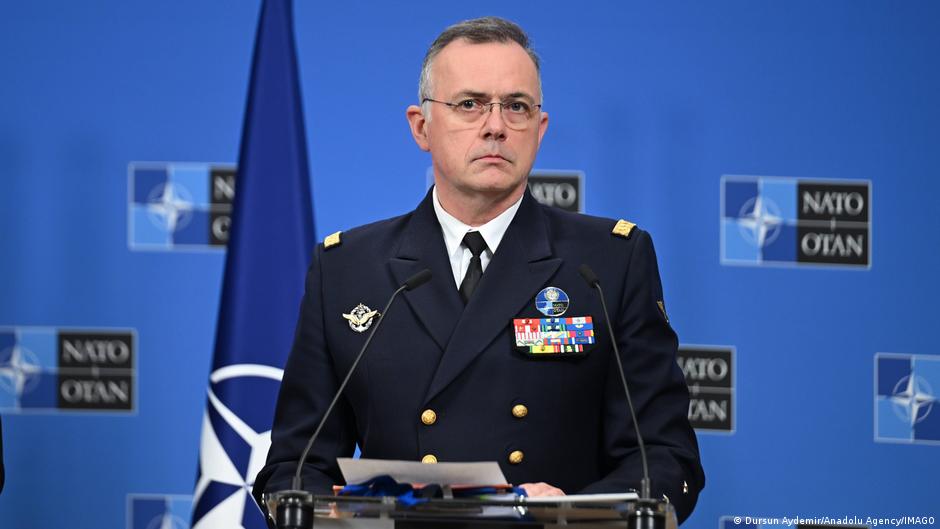
NATO has confirmed the ongoing delivery of American-made weapons to Ukraine within the framework of the Priority Ukraine Requirements List (PURL), underscoring the alliance's commitment to bolstering Kyiv's air defense capabilities amid the protracted conflict with Russia. This announcement comes amidst Russian claims that NATO poses a direct threat to its security, claims which NATO leadership firmly rejects.
US-NATO Arms Support and Strategic Implications
General Christopher G. Cavoli, the Supreme Allied Commander Europe, emphasized on May 19 in Brussels that all arms funded under the PURL program continue to be supplied to Ukraine, including urgently needed interceptor missiles for air defense systems. "I want to assure you that everything allies have paid for is being delivered, including interceptor missiles for air defense systems which the Ukrainians urgently require," General Cavoli stated during a press conference following the NATO Military Committee meeting of chiefs of defense.
The PURL initiative is a coordinated US and NATO effort that allocates funds from member countries to a collective pool, enabling rapid procurement and delivery of American-origin weaponry that European analogues cannot replace. This mechanism has proven critical in sustaining Ukraine's defense capabilities, especially as the conflict enters its fifth year.
General Cavoli highlighted that Ukraine's armed forces continue to demonstrate exceptional resilience and ingenuity, particularly in countering Russian and Iranian drone and missile threats. "The Ukrainian military keeps sharing its battle-tested experience, especially in countering Russian and Iranian unmanned aerial vehicles and missiles," he remarked, stressing the importance of predictable and continuous allied support through PURL.
From a Washington perspective, this program represents a significant investment in both Ukrainian defense and broader European security. Western funding not only protects Ukraine’s population and vital infrastructure but also helps prevent the conflict from destabilizing the wider European region.
US Military Presence and NATO Force Posture
Addressing questions about US troop deployments in Europe, General Cavoli acknowledged President Donald Trump's intent to withdraw 5,000 American troops from the continent but reassured that this reduction does not compromise NATO’s regional defense plans. He explained that since Russia’s expanded invasion, Baltic nations, Poland, and other European states have increased their ground combat capabilities, with multinational brigades in Latvia and Lithuania, led respectively by Canada and Germany, playing pivotal roles.
"As allies build up their capabilities, the United States can reallocate resources to other global priorities. Therefore, I am satisfied with the current situation," the general stated.
This strategic redistribution reflects Washington’s efforts to balance European commitments with wider global defense interests, maintaining NATO’s deterrence posture without overextending American forces.
Managing NATO Airspace and Regional Security Challenges
General Cavoli also addressed a recent incident involving an allegedly Ukrainian drone that accidentally entered Estonian airspace, where a Romanian fighter jet engaged it during a NATO Baltic air patrol mission. He praised the incident response as an example of NATO’s tactical-level authorization to protect alliance territory thoroughly.
"Authorities delegate power down to the lowest tactical level so we can defend every inch of alliance territory in case of an incursion. I am proud of that," Cavoli said. NATO continues to evaluate the circumstances, but the initial indication is that the alliance’s defense mechanisms functioned effectively.
Rebutting Russian Threats Against NATO Allies
NATO also rejected Russian Foreign Intelligence Service claims alleging Latvia’s involvement in training Ukrainian drone operators to strike Russian targets, including veiled threats of retaliation against Latvia despite its NATO membership. General Cavoli dismissed these assertions as unfounded, noting Russia’s longstanding but inaccurate narrative of NATO as a direct threat. "If we wanted to allow drones to fly through Baltic airspace to reach Russia, we would not be shooting them down," he concluded.
These developments highlight the continuing US and NATO commitment to strengthening Ukraine’s defense posture and deterring Russian aggression, while navigating complex security dynamics in Eastern Europe that bear significant implications for American strategic interests and defense industry stakeholders.