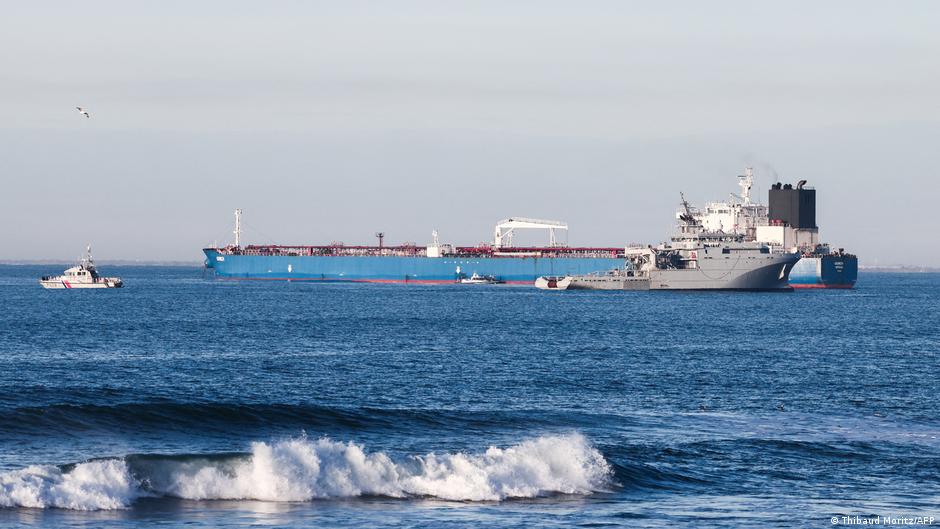
Norway Seizes Russian Research Vessel in Naftogaz Claim Over Crimea Assets
The court-ordered detention on Svalbard adds a new front to Ukraine’s effort to enforce a multibillion-dollar award against Russia abroad.
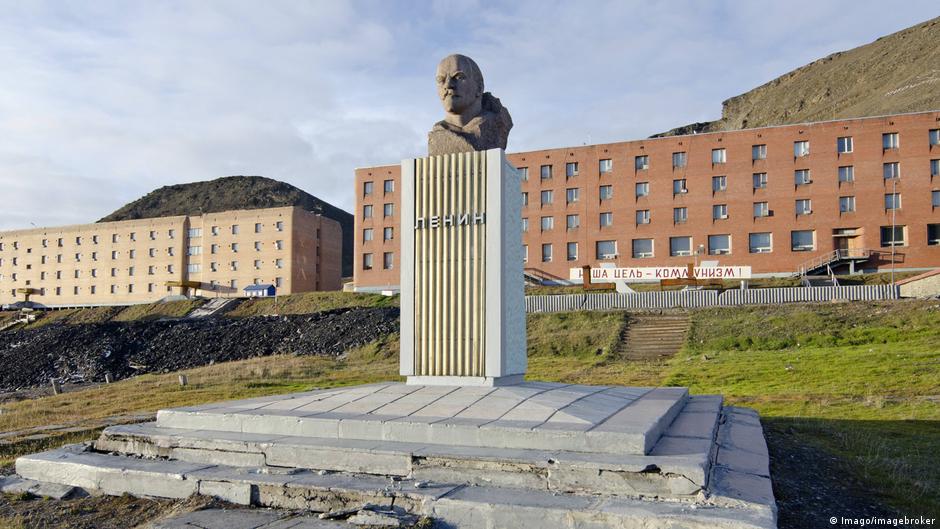
Norwegian authorities have arrested the Russian scientific research vessel Professor Molchanov on the Svalbard archipelago under a court-backed claim by Ukraine’s state energy group Naftogaz, opening another chapter in the long-running fight over Russian assets tied to Moscow’s 2014 seizure of Crimea.
The governor of Svalbard ordered the detention of the Soviet- and Russian-era research vessel after a ruling by the Nord-Troms District Court dated August 31, according to a notice published Wednesday, September 2, on the governor’s website. The vessel was in the port of Barentsburg, a Russian settlement on the Arctic archipelago, when it was arrested.
The action was taken on the application of the Naftogaz group of companies, which is seeking to recover what it says Russia owes under an international arbitration award. In a statement cited by the governor’s office, the legal case and the court decision were described as part of the company’s effort to recover funds expropriated by Russia in 2014.
“This legal proceeding and the decision handed down are part of the company’s efforts to recover funds expropriated by Russia in 2014,” the governor’s press service said.
Naftogaz also confirmed that the Russian vessel had been arrested as part of efforts to satisfy Russia’s debt to the company.
For Washington policymakers and U.S. businesses, the case underscores how Ukraine is pursuing Russian-linked property in foreign jurisdictions as part of a broader campaign to enforce judgments and raise the cost of Moscow’s actions. It also highlights the legal and operational risks that can follow Russian state-linked assets across international ports and courts, including in countries that maintain commercial, maritime or energy ties touching Western companies.
Asset enforcement moves beyond the courtroom
Under the governor’s order, the vessel will remain in Barentsburg until either the governor or the Nord-Troms District Court decides otherwise. Authorities said the crew and passengers would be cared for by the governor’s office and by Arktikugol, the Russian coal mining company that has operated on Svalbard since 1931. According to the company’s website, Arktikugol is the main Russian organization on the archipelago and reports to Russia’s Ministry for the Development of the Far East and the Arctic.
The seizure stems from an arbitration process launched by Naftogaz in 2016 over the loss of assets in Crimea. In February 2019, a court in The Hague ruled in favor of Naftogaz, finding that Russia had violated its obligations under the investment protection agreement with Ukraine and had unlawfully expropriated the company’s investments. The court valued the seized assets at $5 billion, or 4.3 billion euros, according to the source material.
Russia’s Justice Ministry responded at the time by saying it would not recognize the Hague ruling and would take all necessary measures to ensure the representation and defense of Russia’s interests.
Naftogaz said then that if Russia refused to comply with the award, the company would be entitled under the 1958 New York Convention on the Recognition and Enforcement of Foreign Arbitral Awards to seek compulsory enforcement in countries where Russian assets are located. The detention of the Professor Molchanov suggests that strategy remains active and is now reaching visible state-linked property outside Russia.
That has broader implications for governments and corporations in the United States and Europe. American insurers, shipping interests, commodity traders and energy firms do business in systems shaped by sanctions, court judgments and asset-tracing efforts. Cases like this can affect counterparties, vessel access, payment risk and the due diligence burden on firms exposed to Russian commercial networks, even indirectly.
The move is also likely to draw attention in Washington because it fits a wider Western debate over how far allies should go in using legal mechanisms to pressure Russia and compensate Ukraine. While this case concerns a specific arbitration award and a particular vessel, it feeds into a policy environment in which seizure, transfer and enforcement actions are being watched closely by lawmakers, diplomats and corporate compliance teams.
The Svalbard arrest follows another high-profile case cited in the source text. In early June 2026, the district court in the Swedish city of Ystad ruled that the dry cargo vessel Caffa, detained by Swedish authorities in March in the Baltic Sea on suspicion of belonging to Russia’s so-called shadow fleet, would be transferred to Ukraine.
Ukrainian Prosecutor General Ruslan Kravchenko described that ruling as the first time a foreign court, at Ukraine’s request, had approved the arrest of a vessel linked to the export of Ukrainian products from occupied territories. Ukrainian authorities allege that the Caffa carried grain in the summer of 2025 from occupied Sevastopol to the Syrian port of Tartus. According to Kravchenko, the activity was concealed through a scheme involving false registration.
Taken together, the Swedish and Norwegian cases point to a more aggressive and geographically dispersed enforcement strategy by Ukraine. For U.S. companies, the lesson is less about one Arctic vessel than about the expanding legal perimeter around Russian-linked assets. Maritime operators, financial institutions and commodity businesses may face greater pressure to identify exposure to ships, cargoes or entities that could become the subject of court action in allied jurisdictions.
For U.S. officials, the Norwegian seizure offers another concrete example of European courts and authorities acting on Ukrainian claims with potential strategic consequences. For American business, it is a reminder that geopolitical disputes involving Russia, Ukraine and state-connected property can quickly become operational matters with real balance-sheet implications.