Russian Ballistic Missile Strike on Kyiv Raises Concerns for US Business and Political Stability
Missile attack in Kyiv causes fatalities and infrastructure damage, highlighting escalating risks for American interests and companies linked to Ukraine.
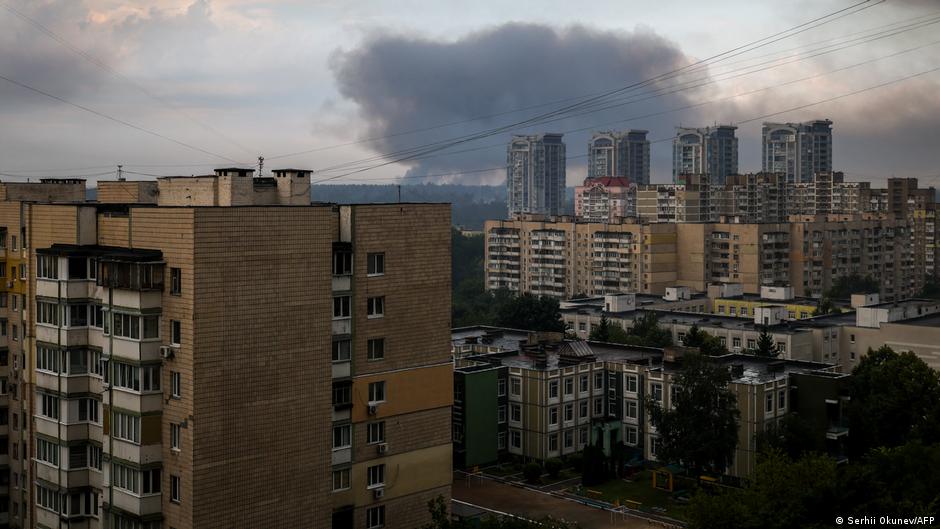
In the early hours of August 20, the Russian military launched a ballistic missile attack on Kyiv, resulting in at least five deaths and significant damage to civilian infrastructure, including residential buildings and a children's hospital. The assault has intensified concerns over the stability of Ukraine and its implications for U.S. businesses with investments and operations in the region.
Impact on Civilians and Infrastructure Highlights Rising Risks for US Interests
The Kyiv City Military Administration confirmed the missile strike inflicted casualties and widespread property damage. Among the affected sites were two multi-story apartment buildings — one five-story and a nine-story residential complex — with shattered windows and structural destruction, particularly on the upper floors of the larger building. Additionally, a pediatric hospital sustained damage, with multiple vehicles set ablaze on its premises. Fires also broke out in non-residential properties across the Darnytskyi and Sviatoshynskyi districts.
According to Vitaliy Klychko, the mayor of Kyiv, at least five people were killed and 23 injured, with 14 hospitalized. The remainder received outpatient or on-site medical care. Some residents remain trapped in shelters following the strikes, underscoring the ongoing peril to civilian life.
"The attacks on civilian buildings and medical facilities demonstrate a sharp escalation in tactics that threaten not only Ukraine’s security but also the stability of the region where many American companies operate," said a security analyst based in Washington.
Ukrainian social media and Telegram channels report additional strikes targeting warehouses in Brovary, a suburb of Kyiv. These attacks underscore the expanding scope of Russian military operations in and around the Ukrainian capital.
Washington’s Strategic and Economic Stake in Ukraine’s Stability
The missile strike on Kyiv carries significant implications for U.S. foreign policy and the American private sector. Washington has long supported Ukraine through military aid and economic partnerships, with various American companies engaged in trade, technology, and reconstruction efforts within the country.
Heightened conflict risks disruption to supply chains and projects involving U.S. firms, particularly those focused on infrastructure development and humanitarian aid. Furthermore, escalating violence could prompt Washington to reassess its engagement and assistance strategies in Ukraine, potentially impacting the overall investment climate.
Financial markets and multinational corporations are closely monitoring these developments, as prolonged instability increases costs and operational risks. The attack also highlights the broader geopolitical challenge facing U.S. policymakers: balancing support for Ukraine while managing economic repercussions for American businesses linked to the region.
As tensions remain high, American companies with interests in Eastern Europe may need to enhance risk mitigation measures and contingency planning to safeguard their assets and personnel amid continuing hostilities.