Russian Drone Attacks on Kyiv and Ukraine Escalate Amid Intensified Air Defense Efforts
Multiple Russian UAV strikes targeted Kyiv and eastern regions, raising concerns for US businesses with regional interests and supply chain exposure.
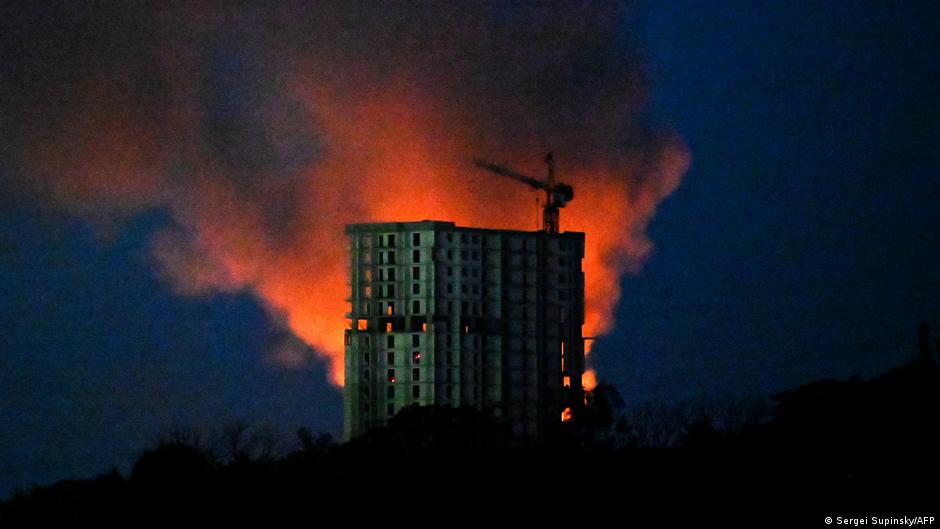
In the early hours of June 7, Ukrainian air defenses detected and responded to multiple drone incursions launched by Russian forces targeting Kyiv and the surrounding areas. These unmanned aerial vehicles (UAVs) were reported flying from Russia's Chernihiv region towards Brovary in Kyiv Oblast, as well as from the east directly toward Kyiv, signaling an escalation in the aerial threat to Ukraine's capital.
The Ukrainian Armed Forces’ Air Force Command announced at least two air raid alerts overnight due to the perceived risk of Russian drone attacks. Alongside the UAV activity near Kyiv, there were alerts issued for ballistic missile threats originating from Bryansk, Russia, near the border.
By 5:00 a.m. local time, air raid warnings remained active across several northern and eastern Ukrainian provinces—Chernihiv, Sumy, Kharkiv, and Zaporizhzhia—according to real-time data from Ukraine’s Ministry of Digital Transformation. The Ukrainian military also reported strikes involving Russian tactical aviation deploying guided aerial bombs in the Donetsk region.
Strategic Implications for Ukraine’s Logistics and Western Response
"The importance of attacks on logistics is recognized not only by us," noted a Ukrainian defense advisor, emphasizing the strategic intent behind recent strikes.
Serhiy Beskrestnov, an advisor to Ukraine's defense ministry specializing in radio technologies, highlighted that since early June, Moscow has intensified strikes targeting transportation links between Kharkiv and Sumy. The focus has been on the area around Bohodukhiv, approximately 20 kilometers from the Russian border—a critical node for supply routes supporting Ukrainian forces.
These sustained attacks on Ukraine's transport infrastructure underscore the broader Russian strategy to disrupt military logistics and civilian supply chains, which may have ripple effects on economic stability in the region. For American companies with investments or supply chain interests in Eastern Europe, this poses significant operational risks and uncertainty.
In response to the ongoing conflict escalation, key European leaders—German Chancellor Friedrich Merz, French President Emmanuel Macron, and British Prime Minister Keir Starmer—are scheduled to meet with Ukrainian President Volodymyr Zelensky in London on June 7. Their agenda includes efforts to intensify diplomatic initiatives aimed at ending the war, including exploring prospects for new peace negotiations with Russia.
Scale and Impact of Recent Drone Assaults
During the night of June 6, Russian forces launched a large-scale drone attack involving at least 272 strike UAVs, including Shahed, Gerbera, Italmas, and loitering munitions known as Banderol, as well as Parody decoy drones. Ukrainian air defenses successfully intercepted and neutralized 249 drones across the northern, southern, and eastern fronts by 8:00 a.m.
The attack resulted in 19 drones striking 11 distinct locations, with debris from downed UAVs falling in 13 other areas. This operational intensity reflects Moscow’s commitment to leveraging drone warfare to challenge Ukraine’s air defenses and target critical infrastructure.
Washington’s Perspective and Business Considerations
From a US political and commercial standpoint, the escalation in Russian drone attacks near Kyiv and other strategic regions reinforces the urgency of American support for Ukraine’s defense capabilities. The intensification of hostilities threatens to destabilize the broader region, complicating the geopolitical landscape and potentially disrupting transatlantic trade and investment.
American companies engaged in Eastern Europe must closely monitor the evolving security situation, as persistent strikes on transportation and infrastructure can delay supply chains, raise insurance costs, and necessitate contingency planning. Moreover, ongoing diplomatic engagements between Western leaders and Kyiv highlight the continuing role of the US and its allies in shaping the conflict’s trajectory.
Overall, the recent surge in Russian UAV operations underscores the dynamic and volatile security environment in Ukraine, with significant implications for US foreign policy and multinational business interests operating in or near the conflict zones.