Russian Fuel Production Plummets Nearly 22% in June Amid Ongoing Conflict
Russia’s sharp decline in oil product output signals deepening supply issues, raising concerns for global energy markets and US business interests.
In June 2026, Russia's production of oil products dropped nearly 22% compared to the same period last year, according to data released by Russian statistics agency Rosstat. This steep decline highlights growing disruptions in Russia’s energy sector amid intensifying military conflict and targeted attacks on its refining infrastructure.
Rosstat reported that the oil product manufacturing index, a component of the overall industrial production index, fell by 21.8% year-over-year in June, accelerating the downward trend observed in May, when production fell by 13.5%. The index reflects the value of a basket of representative oil products produced, adjusted for constant 2023 prices.
Importantly, Russian authorities have not published data on oil product output in physical volumes, opting instead to release only index figures. This opacity complicates assessments of the true scale of production losses and the potential ripple effects on fuel availability and export flows.
Fuel Price Dynamics and Market Stability
Despite the production decline, fuel prices in Russia have seen a modest slowdown in growth. For the week ending July 20, gasoline prices increased by 1.7%, down from a 2.3% rise the previous week. Diesel prices rose by 1.9%, compared to a 3.2% increase the week before. Russian officials have claimed that fuel markets have "partially stabilized," though supply constraints remain acute.
"The partial stabilization of fuel prices does not negate the broader supply challenges facing Russia’s oil product sector amid sustained infrastructure damage and military pressures," experts note.
The sharp production drop stems largely from intensified Ukrainian strikes targeting Russian oil depots and refineries, which have been critical to sustaining domestic fuel supplies and exports. According to Reuters estimates, approximately 25% of Russia’s refining capacity has been fully or partially incapacitated by these drone and missile attacks, disrupting regional fuel distribution.
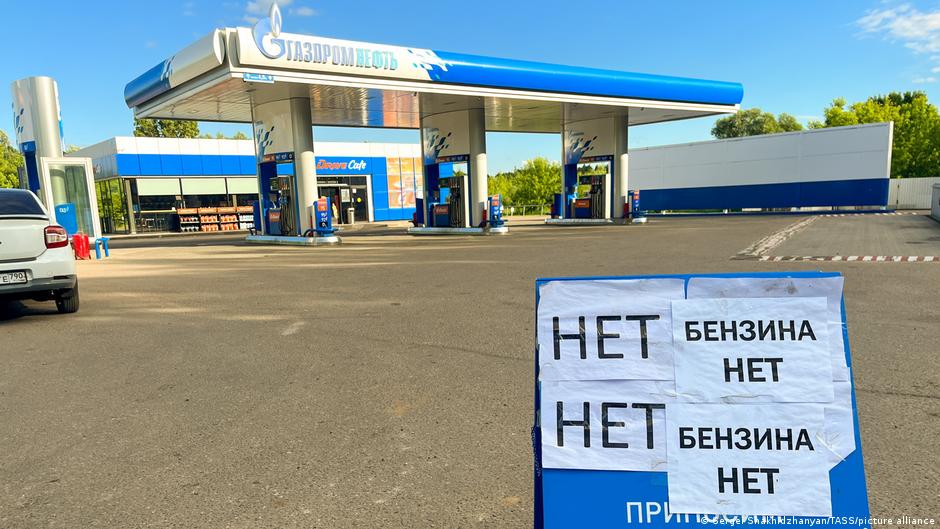
These operational setbacks have led to localized fuel shortages within Russia, prompting authorities to impose restrictions on fuel sales in some areas. The shortages mark the most severe since the full-scale invasion of Ukraine began and threaten to undermine Russia’s ability to maintain its role as a major global energy supplier.
Implications for US Businesses and Washington Policy
The ongoing disruptions to Russian oil product production carry significant implications for US energy markets and geopolitical strategy. Reduced Russian fuel output may tighten global energy supplies, contributing to price volatility that affects American consumers and businesses.
From a policy standpoint, Washington faces a complex calculus balancing sanctions enforcement and energy market stability. While limiting Russian energy exports remains a key objective, the resulting supply shocks underscore the interconnectedness of global oil markets and the potential for unintended consequences impacting US energy security.
American companies involved in energy production, refining, and distribution must closely monitor developments in Russia to adapt to shifting supply dynamics and price fluctuations. Diversification of supply chains and investment in alternative energy sources are increasingly prioritized to mitigate reliance on unstable regions.
Ultimately, Russia’s plummeting oil product production amidst military conflict illustrates the fragility of energy infrastructure in wartime and highlights the strategic stakes for Washington in navigating the intersection of economic sanctions, energy policy, and geopolitical competition.