Russian Night Attack in Kyiv Region Kills Three Amid Rising Security Concerns
Three civilians, including a child, were killed in a Russian strike near Kyiv, raising new challenges for US businesses operating in Ukraine.
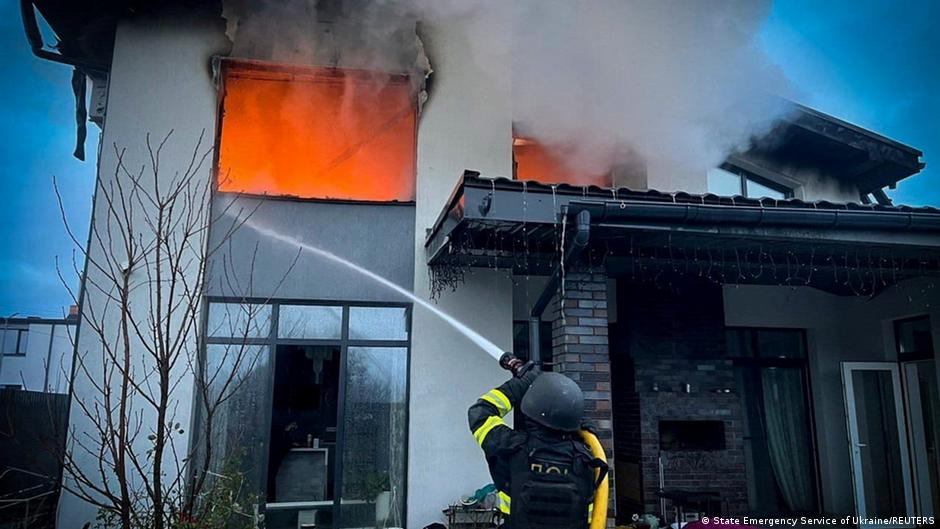
In the early hours of August 8, a combined Russian military attack struck the Kyiv region, resulting in the deaths of three civilians, including a child, and injuries to three others. The incident occurred in the Brovary district, a suburban area east of Kyiv, where multiple locations were targeted, causing fires and property damage.
Implications for US Businesses and Washington
The attack highlights the growing risks to foreign investments and operations in Ukraine, a country that has drawn considerable attention from American companies amidst ongoing conflict. US firms with supply chains, partnerships, or investments in the region face heightened uncertainty, potentially affecting business continuity and strategic planning.
Timur Tkachenko, head of the Kyiv regional military administration, reported the attack’s immediate impact: "At present, consequences of the enemy attack have been recorded in three places in the Brovary district. Unfortunately, three people died, including a child. Three others were injured, including a child." The strike damaged private residences, outbuildings, vehicles, and ignited a fire on non-residential property.
The Kyiv city military administration further confirmed the use of ballistic missiles targeting the capital, triggering air raid alerts throughout the night. Emergency services continue to address the aftermath, managing fires and damage caused by the missile and drone strikes.
"Services are working to mitigate the consequences of the overnight shelling," the Kyiv city administration stated, underscoring ongoing operational challenges for local authorities and infrastructure.
This latest escalation comes as US policymakers debate the extent of assistance and security commitments to Ukraine. The risks to civilian populations and critical infrastructure underscore the complexities Washington faces in balancing support with potential escalation.
For American businesses, the intensified conflict may translate into higher operational risks, increased insurance costs, and supply chain disruptions. These factors could influence corporate decisions on investment, risk management, and engagement in the region.
Moreover, the targeting of urban and suburban areas near Kyiv raises concerns about the safety of expatriate employees and the viability of maintaining local offices or facilities. As the situation evolves, companies will need to closely monitor developments and adapt their strategies accordingly.
Ukrainian officials reported additional fires in Kyiv’s Holosiivskyi and Obolonskyi districts, including fuel storage areas, further complicating emergency response efforts. Kyiv Mayor Vitali Klitschko confirmed the deployment of emergency teams to these sites.
These attacks underscore the persistent danger in Ukraine’s capital and its environs, presenting ongoing challenges not only for local governance but also for international stakeholders invested in the country’s stability and reconstruction.
As Washington evaluates its next steps, the intersection of military developments and economic interests remains a critical focus. The resilience of Ukraine’s infrastructure and society will significantly influence the broader geopolitical dynamics and the prospects for peace and reconstruction.