Russian State Duma Revises Fuel Dampener to Stabilize Domestic Prices Amid Export Controls
New amendments adjust compensation schemes and sales rules to increase fuel supply and curb price volatility in Russia's energy market.
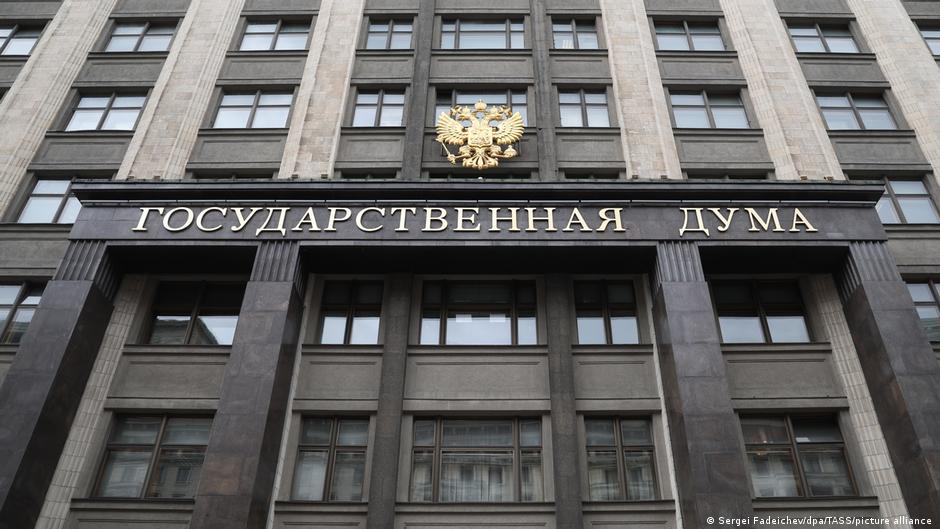
The Russian State Duma has passed a package of amendments to the Tax Code aimed at stabilizing domestic fuel prices by revising the fuel dampener mechanism, exchange sales regulations, and compensation conditions for imported diesel fuel. The legislation was approved in the second and third readings and published on July 21.
Fuel Dampener Adjustments and Impact on Market Supply
The fuel dampener system, which offers government compensation to oil companies to curb internal market price increases, will be adjusted to help increase fuel availability and reduce price fluctuations. The government expects these changes to bolster supply and mitigate risks associated with volatile pricing.
"The legislative changes are designed to stimulate additional fuel deliveries to the domestic market and build necessary reserves," stated the Chairman of the State Duma, Vyacheslav Volodin.
These amendments follow earlier government actions, including reductions in mandatory gasoline sales quotas on the exchange and export restrictions on petroleum products to ensure sufficient domestic supply.
A key modification expands the scope of deliveries factored into mandatory minimum exchange sales quotas. Now, volumes sold outside the exchange may be included if conditions are later defined by the government. This change responds to requests from the agricultural sector and contemplates direct contracts between refineries and authorized fuel suppliers for agricultural producers.
This approach aims to maintain supply to critical sectors without violating mandatory exchange sale requirements.
Import Compensation and Strategic Supplier Considerations
The amendments introduce a compensation mechanism for imported diesel fuel, mirroring existing schemes for gasoline. Importers may receive tax credits on excise duties if imported fuel costs exceed domestic wholesale prices. Compensation will be disbursed only during periods when export restrictions on diesel and aviation kerosene are simultaneously in effect.
For diesel imports from third countries, export alternatives will be benchmarked against Indian market prices including delivery to Russian ports, with India serving solely as a pricing reference rather than a mandatory supplier.
Importantly, deliveries from Belarus will receive a higher compensation coefficient—0.9—making these imports financially more attractive compared to the general scheme.
Broader Context and Implications for U.S. Businesses
The timing of the new law coincided with India’s decision to nearly double export duties on diesel and aviation fuel. India is a major global petroleum product exporter, accounting for about 6% of global seaborne shipments, according to market analysts Kpler.
Russian Deputy Prime Minister Alexander Novak highlighted that government measures are already yielding results, citing export limits, increased production volumes, import supplies, and postponed refinery maintenance as stabilizing factors.
These developments are critical in light of significant Ukrainian drone attacks in early 2026 that disrupted major Russian refineries, which collectively produce roughly a quarter of Russia’s oil refining capacity. Affected refineries were responsible for over 30% of automotive gasoline and about 25% of diesel fuel production, driving Moscow to intensify market regulation and diversify supply sources.
From a U.S. business perspective, these legislative changes and export constraints in Russia could influence global fuel markets and supply chains. American companies involved in energy trading, refining equipment, and agricultural sectors dependent on fuel imports may face shifting price dynamics and supply uncertainties. Furthermore, the growing role of Indian and Belarusian fuel exports to Russia may alter competitive landscapes and trade relationships, prompting Washington to monitor developments closely in the context of energy security and geopolitical considerations.