Trump Considers Declaring Strait of Hormuz U.S. Territory, Posing Long-Term Military Commitment
President Trump signals potential indefinite military presence in the Strait of Hormuz amid tensions with Iran, raising geopolitical and economic stakes for U.S. businesses.
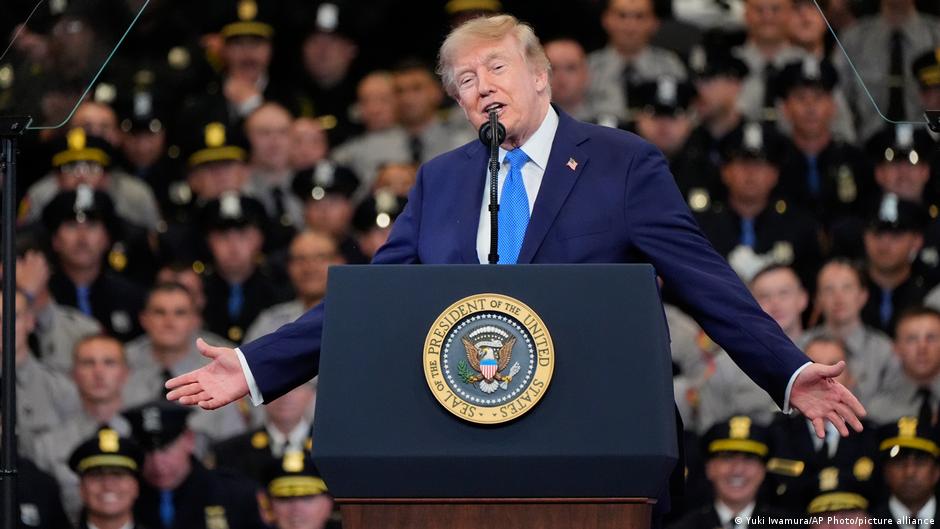
Amid escalating tensions with Iran, President Donald Trump announced plans to declare the Strait of Hormuz as "U.S. territory" following a decisive victory over Tehran. This provocative stance, made during a speech at a New York Police Academy, suggests a significant shift in U.S. strategic posture in a critical global shipping lane, with profound implications for American businesses and international trade.
Strategic and Economic Implications for U.S. Stakeholders
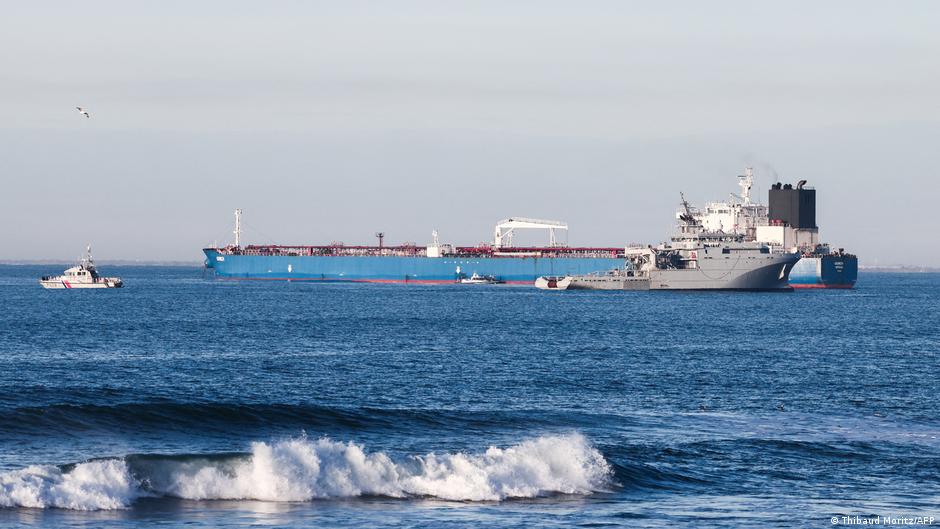
Currently, the Strait of Hormuz is a pivotal chokepoint through which a substantial portion of the world's oil supply is transported. Control over this waterway allows influence over regional energy markets and global oil prices. President Trump asserted that U.S. military forces are actively controlling the Strait, effectively blocking Iranian ports and restricting shipping. However, Iran disputes this claim, maintaining its own blockade and control efforts amid ongoing hostilities that began earlier this year.
Declaring the Strait of Hormuz American territory would likely necessitate a permanent U.S. military deployment in the region. This contrasts sharply with earlier Trump administration statements emphasizing a short-term conflict with Iran. Such a prolonged presence would increase operational costs and risks for U.S. defense contractors and companies relying on stable energy markets.
"Economic pressure on Tehran, rather than military strikes, could be more effective in securing U.S. objectives in the region," President Trump suggested, highlighting a preference for sanctions and diplomatic leverage.
This development also signals a broader U.S. strategy of extending territorial claims or control over key strategic assets, as seen in previous comments about Greenland, the Panama Canal, and even Venezuela. These moves together suggest an administration keen on expanding American influence through unconventional territorial assertions.
Iranian officials have firmly rejected U.S. threats and the concept of American sovereignty over the Strait. Deputy Foreign Minister Qasem Gareebabadi stated that Iran will not succumb to coercion or displays of military might. Meanwhile, Iran has issued demands including compensation for conflict damages and the lifting of sanctions in exchange for reopening the Strait to commercial navigation.
The ongoing blockade and contest for control over the Strait of Hormuz continue to tighten the global oil supply, sustaining upward pressure on prices and uncertainty in energy markets. For U.S. businesses, especially in energy, shipping, and manufacturing sectors, the prospect of a prolonged standoff presents risks of supply disruptions and increased costs.
As Washington navigates this complex geopolitical landscape, American companies must prepare for potential volatility and consider long-term strategic adjustments. The administration's approach underscores a readiness to leverage military might alongside economic tools to influence regional dynamics, with significant bottom-line consequences for businesses tied to global trade and energy security.