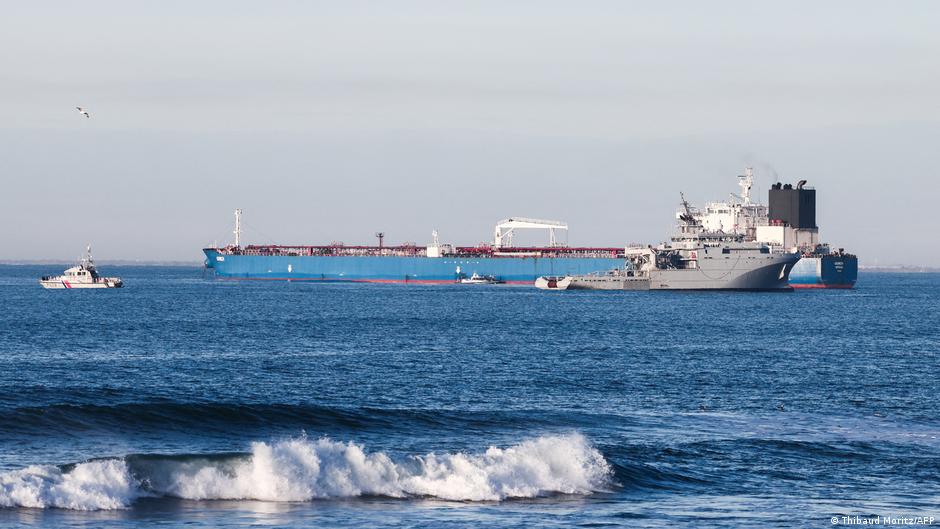
Turkey Resumes Ship Transit Through Straits Amid Black Sea Security Concerns
Turkey has reopened its straits to commercial vessel passage, affecting Black Sea trade routes critical to U.S. businesses and global supply chains.
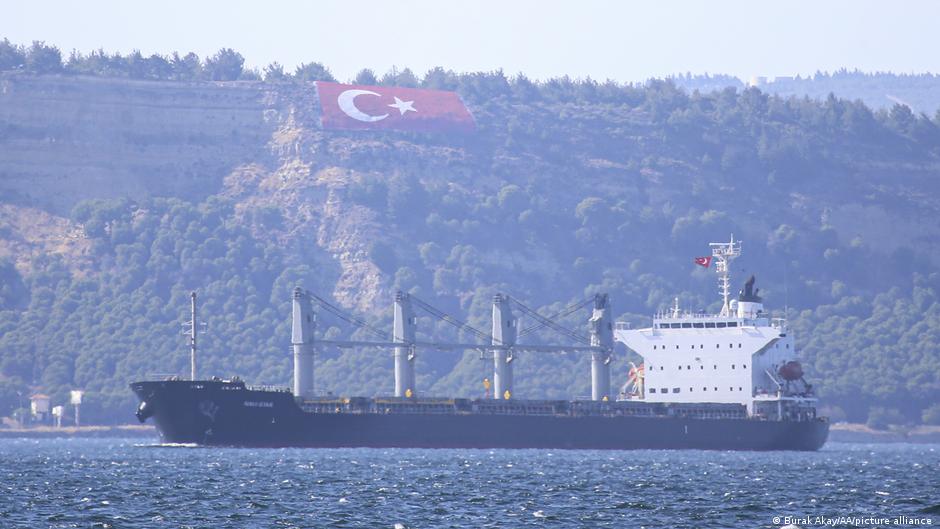
On August 9, Turkey resumed passage of commercial vessels through the strategic Dardanelles Strait, a critical maritime gateway to the Black Sea. This move follows a temporary restriction on shipping prompted by escalating attacks on cargo ships in the region.
According to monitoring data, the oil tanker Aegean Dream, destined for the Russian port of Novorossiysk, entered the Dardanelles on August 9 after waiting near the strait since August 6. The container ship Mehmet Kahveci A also passed through the strait the same morning, with Novorossiysk as its destination.
Implications for U.S. Business and Global Trade
Turkey's brief suspension of transit permits for vessels headed to Novorossiysk and Ukraine, announced by its General Directorate of Coastal Safety on August 8, created uncertainty for maritime commerce. The agency cited the need for additional time to review transit applications amid a surge in attacks by Russian and Ukrainian forces targeting shipping in the Black Sea.
"We are implementing a range of measures to address the security challenges in the Black Sea," said Turkish Foreign Minister Hakan Fidan, underscoring Ankara's efforts to negotiate a moratorium on attacks from both Russia and Ukraine.
For U.S. companies involved in energy, agriculture, and manufacturing, reliable access to Black Sea ports is vital. The disruption has compounded concerns about the security of supply chains for commodities such as grains and oil, particularly with Ukraine's agro-exports already under threat.
Ukraine has reportedly agreed to assist in securing the safe passage of select non-Russian oil tankers through the Black Sea, a strategic concession aimed at stabilizing maritime transport routes. However, the ongoing hostilities and drone strikes have caused injuries among crew members of Turkish-owned vessels, adding to the volatility in regional shipping.
The disruption comes amid Operation "MoLoChKa," a Ukrainian drone strike campaign targeting Russian tankers in the Black Sea, which has reportedly hit 75 vessels since early July. Concurrently, Russia has intensified attacks on Ukrainian ports and civilian ships, severely constraining maritime trade corridors.
Despite these challenges, Turkey's decision to reopen its straits signals a cautious attempt to balance regional security concerns with the economic imperatives of sustaining maritime commerce. The reopening will be closely watched in Washington, where policymakers and businesses assess the broader impact on U.S. energy supplies and global market stability.
With the Black Sea corridor being essential for exporting Ukrainian grain and Russian oil, any disruption risks exacerbating global commodity shortages and inflationary pressures. For American companies dependent on these supply routes, continued vigilance is required as geopolitical tensions unfold.