Ukraine and Germany Deepen Air Defense and Drone Cooperation Amid Russian Attacks
Ukrainian President Zelensky meets German officials to advance air defense deals and drone production, signaling strengthened US-allied security ties in Europe.
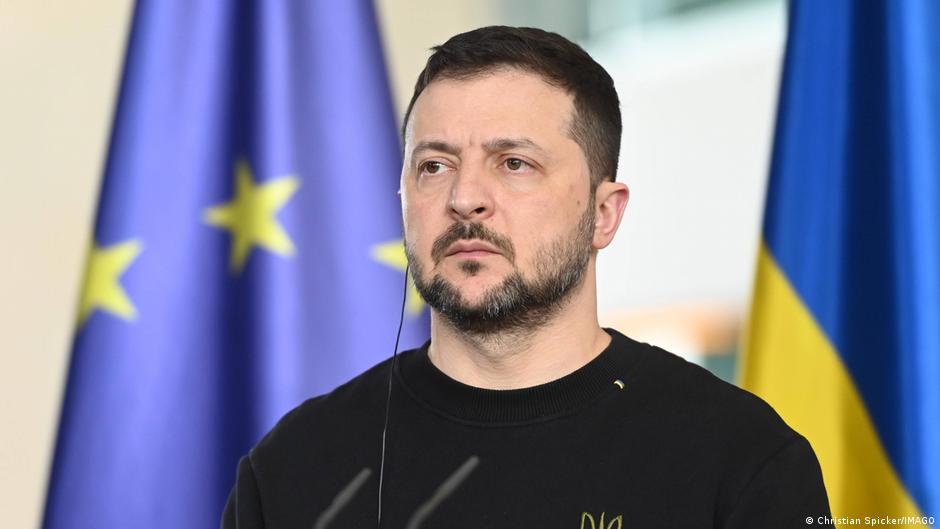
Ukrainian President Volodymyr Zelensky met in Kyiv on May 14 with Thorsten Frei, head of the Federal Chancellery Department of Germany, and Martin Jäger, chief of Germany's Federal Intelligence Service (BND), to discuss enhanced air defense measures following intensified Russian missile and drone strikes.
During the talks, Zelensky emphasized the urgent need to accelerate agreements with Germany on improving Ukraine's air defense systems to protect civilians from ongoing aerial attacks. The meeting came after a massive Russian missile and drone assault on Kyiv that left at least 21 dead and around 50 injured.
"Germany has repeatedly helped strengthen our air defense, and we are counting on its leadership now," Zelensky stated, highlighting the critical support from Berlin amid the heightened threat.
Expanding Drone Collaboration and Defense Technology
The discussions also covered a proposed "drone deal" from Kyiv to Berlin, aiming to expand Ukraine's unmanned aerial vehicle capabilities. Zelensky underlined Ukraine's commitment to bolster partners who have supported its defense efforts.
In mid-April, Germany and Ukraine agreed to deepen their defense cooperation, including joint production of medium- and long-range drones. The partnership involves multi-hundred-million-euro investments to enhance Ukraine’s capacity for long-range strikes, as well as intelligence sharing between defense agencies.
German Defense Minister Boris Pistorius, visiting Kyiv on May 11, confirmed ongoing work on drones with a range of up to 1,500 kilometers and affirmed Germany’s intention to join Ukraine’s Brave1 platform. Brave1 connects Ukrainian military personnel and innovative defense technology developers to accelerate advancements.
Berlin and Kyiv also plan to collaborate on weapons systems incorporating artificial intelligence components, reflecting a strategic move to integrate cutting-edge technology into Ukraine’s defense infrastructure.
Implications for US Businesses and Washington
These developments signify a strengthening of transatlantic security collaborations, with Germany taking a more assertive role in supporting Ukraine’s defense against Russian aggression. For Washington, Germany’s leadership in air defense and drone production may complement US efforts and investments in regional security, potentially leading to expanded opportunities for American defense contractors and technology firms involved in allied supply chains and innovation ecosystems.
The investment surge and shared technology platforms could also accelerate the deployment of advanced defense systems, creating new markets for US companies specializing in AI-powered weaponry, surveillance drones, and intelligence integration. Furthermore, enhanced European defense capabilities may influence US policy approaches to the conflict and broader NATO commitments.