Ukraine Imposes Sanctions on Vessels and Firms Over Illegal Grain Exports from Occupied Territories
Kyiv sanctions 13 ships and 28 companies involved in illicit grain exports, signaling risks for international trade and U.S. agribusiness.
In a decisive move to curb unauthorized grain exports from Russian-occupied regions, Ukraine's President Volodymyr Zelensky has enacted sanctions targeting 13 vessels and 28 companies implicated in the illicit removal of Ukrainian grain. This step underscores Kyiv's commitment to protecting its agricultural assets and signals potential ripple effects for global commodity markets and U.S. agricultural stakeholders.
Sanctions and Their Broader Implications
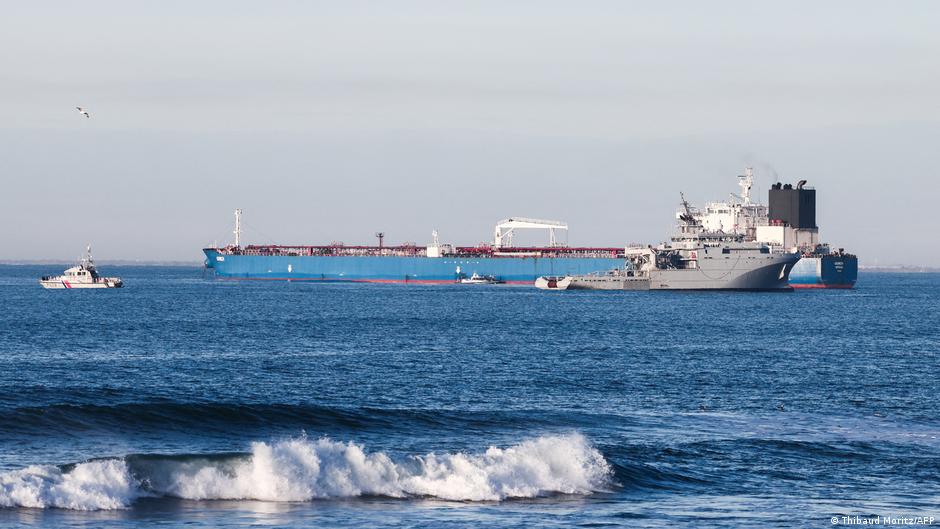
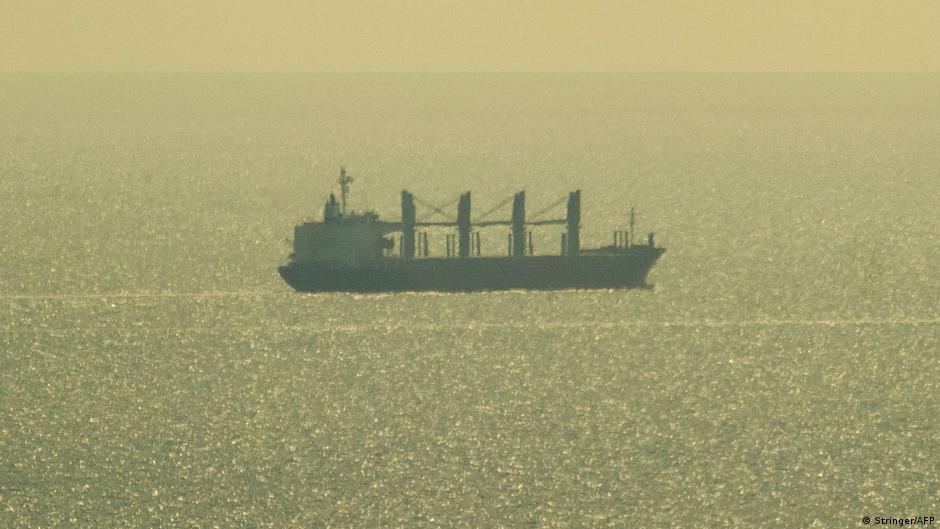
Signed on August 14, the presidential decree enforces decisions made by Ukraine's National Security and Defense Council. It directly targets entities involved in the illegal export of grain from territories occupied by Russia since the onset of large-scale conflict. The sanctioned fleet includes ships flying Russian (8 vessels), Panamanian (3), Belizean (1), and St. Kitts and Nevis (1) flags. Additionally, 11 Russian nationals and 28 legal entities face restrictions.
The Ukrainian Presidential Office emphasized the intent to share comprehensive information with allied nations to synchronize sanctions across international jurisdictions. Vladyslav Vlasyuk, Ukraine's presidential envoy for sanctions policy, stated, "The illegal export of Ukrainian grain from temporarily occupied territories must have consequences for all involved—from companies and owners to captains and vessels."
For U.S. businesses, particularly those in the agricultural and shipping sectors, these developments highlight growing geopolitical risks in global grain supply chains. American agribusinesses could face challenges in sourcing Ukrainian grain or encounter increased scrutiny in compliance due to the complex interplay of sanctions and trade restrictions.
Since November 2022, Ukraine has imposed sanctions on 56 vessels that allegedly entered Russian-occupied ports to export wheat, sunflower seeds, and other food products illegally. This ongoing enforcement reflects Kyiv's strategy to assert control over its agricultural commodities and deter exploitation by Russian forces and affiliated entities.
"The illegal export of Ukrainian grain from temporarily occupied territories must have consequences for all involved—from companies and owners to captains and vessels." — Vladyslav Vlasyuk, Ukrainian Sanctions Envoy
Given the strategic importance of Ukrainian grain in global markets, Washington and American companies must closely monitor these sanctions developments. Enforcement actions may impact shipping routes, commodity pricing, and compliance frameworks, demanding vigilance from U.S. exporters and importers engaged in agri-food trade with Eastern Europe.