US and EU Condemn Israel Over Treatment of Detained Pro-Palestinian Activists in Controversial Video
The release of a video showing Israeli minister humiliating detained activists has prompted diplomatic protests from Washington and European capitals.
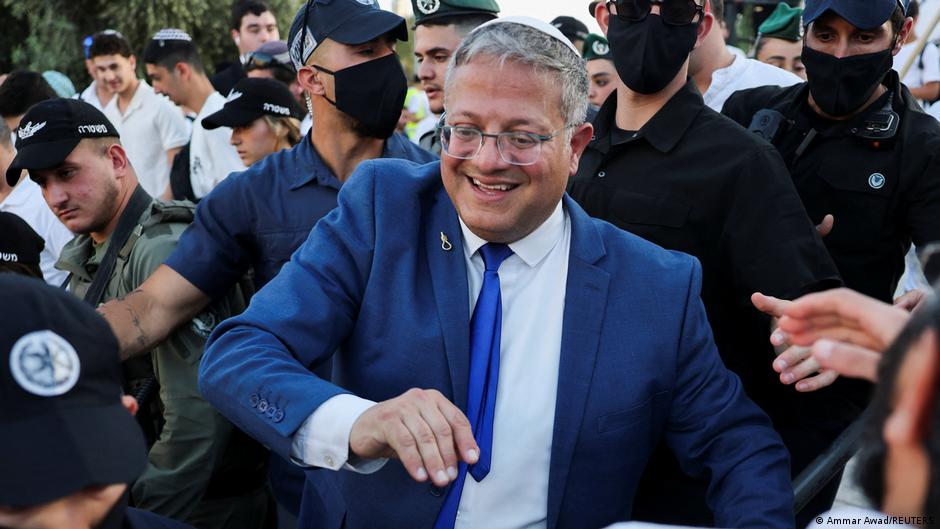
Israel has come under sharp criticism from both the United States and the European Union after a video surfaced depicting detained pro-Palestinian activists being humiliated by Israel's Minister of National Security, Itamar Ben-Gvir. The footage, which was posted on social media by Ben-Gvir, shows activists from the humanitarian flotilla "Sumud" with hands tied behind their backs and heads bowed, kneeling at the Ashdod port following their interception by Israeli naval forces.
In the video, Ben-Gvir is seen walking among the activists brandishing an Israeli flag and shouting in Hebrew, "Welcome to Israel, we are in charge here." The post accompanying the video labels the detained individuals as "supporters of terrorism," inflaming international condemnation.
International Diplomatic Backlash and US Concerns
The publication of the video led several Western countries—including Italy, France, Canada, the Netherlands, Belgium, and Portugal—to summon Israeli ambassadors to express their protest. Spain called in the Israeli chargé d'affaires due to the absence of a resident ambassador.
Polish Foreign Minister Radoslaw Sikorski, noting that Polish nationals were among the detainees, harshly condemned the treatment, stating, "One cannot treat Polish citizens, who have committed no crime, in such a manner. In a democratic world, it is unacceptable to subject detainees to cruel treatment and gloating. We demand justice for our citizens and consequences for those responsible."
EU officials stressed that the treatment of the activists violated international norms. Anouar El-Anani, spokesperson for the EU's External Action Service, tweeted that the treatment was "entirely unacceptable" and called for the immediate release of detainees, emphasizing that all detainees must be treated with respect and dignity and in accordance with international law.
EU High Representative for Foreign Affairs and Security Policy, Kaja Kallas, described the treatment as "humiliating and unacceptable," adding, "The behavior of Minister Ben-Gvir is unworthy of any official in a democratic state." Similarly, German Foreign Minister Johann Wadephul labeled the actions "absolutely unacceptable," highlighting that such conduct contradicts the shared values upheld by Germany and Israel.
The US ambassador to Israel, Mike Hankey, called the activists’ attempt to reach Gaza a "foolish stunt," yet criticized Ben-Gvir for betraying the nation’s dignity by his actions.
Israeli Government Response and Wider Implications
Within Israel, Foreign Minister Gideon Sa'ar publicly reprimanded Ben-Gvir on social media, accusing him of deliberately damaging the state’s reputation and undoing the professional efforts of soldiers and diplomats. Prime Minister Benjamin Netanyahu acknowledged Israel’s sovereign right to enforce territorial waters but stated that Ben-Gvir's conduct "does not reflect Israel's values."
The flotilla "Sumud," which departed from Marmaris, Turkey, on May 14, was intercepted by Israeli naval forces on May 18 in international waters approximately 250 nautical miles from Gaza. Organizers report that 428 individuals from more than 40 countries were detained. This is not the first attempt to break Israel’s naval blockade of Gaza—the previous flotilla, which included environmental activist Greta Thunberg, was stopped in October 2025.
Israel maintains that such flotillas threaten national security by supporting Hamas, the Palestinian Islamist group designated as a terrorist organization by both the US and EU. The diplomatic fallout from this incident has increased tensions between Israel and its Western allies, raising concerns about the impact on political relations and commercial engagement.
"The behavior of Minister Ben-Gvir is unworthy of any official in a democratic state," stated EU High Representative Kaja Kallas.
For American companies operating in Israel or engaged in Middle East trade, the recent diplomatic tensions underscore the risks of geopolitical instability. The US government’s condemnation signals potential pressure on Israeli policy that could affect bilateral trade agreements and security cooperation. Moreover, heightened scrutiny of Israel's human rights practices may influence investor confidence and regulatory oversight.