US and Iran Agree to Cease Attacks Until June 30 as Strait of Hormuz Talks Loom
Washington and Tehran pledge to halt military strikes ahead of critical negotiations on Strait of Hormuz shipping resumption.
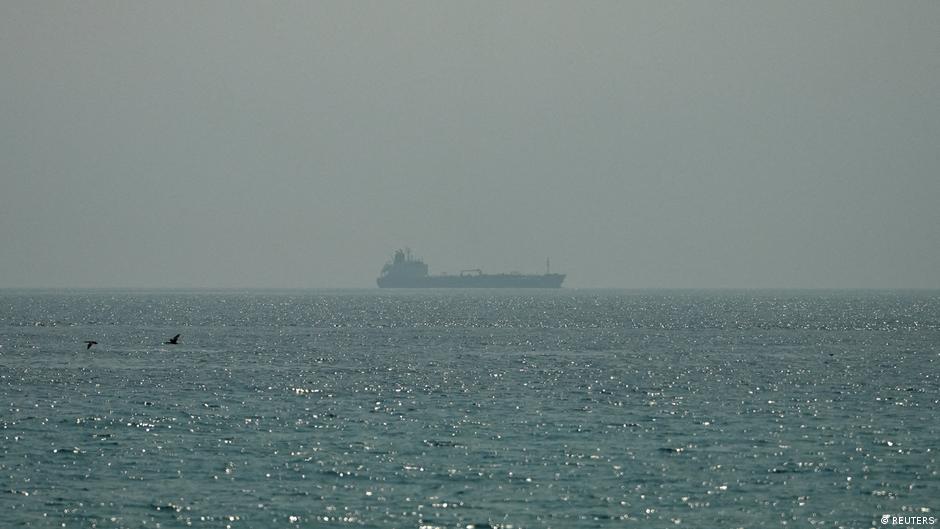
The United States and Iran have again agreed to cease attacks on each other at least until June 30, ahead of a scheduled meeting in Qatar focused on resuming shipping through the strategically vital Strait of Hormuz. The announcement was reported on June 28, highlighting a fragile de-escalation in tensions after recent military exchanges.
Implications for US Businesses and Global Oil Markets
The Strait of Hormuz is one of the world’s most significant maritime choke points, facilitating a substantial portion of global oil exports from Persian Gulf nations. Partial restrictions on navigation, coupled with Iranian demands that vessels coordinate routes with its military, have sharply limited throughput. Despite former President Donald Trump’s claims of the strait being fully open, oil shipments remain less than half of pre-conflict volumes due to ongoing security concerns.
On June 26-27, despite the announced ceasefire, the U.S. and Iran exchanged significant strikes. The U.S. targeted several Iranian coastal bases following Iranian attacks on two commercial vessels transiting the strait. Iran justified its strikes by alleging deviations from agreed routes and viewed U.S. actions as attempts to undermine its control over the waterway. Iran retaliated by striking U.S. military bases in Kuwait and Bahrain, with reports indicating substantial damage to facilities in Bahrain.
“Both sides have confirmed their intent to hold talks on June 30 in Qatar to discuss restoring free navigation through the Strait of Hormuz,” a Washington source stated.
The tenuous ceasefire, effective since April 8 but repeatedly violated, is now under renewed strain following these clashes. The outcomes of the upcoming negotiations bear direct consequences for American businesses, particularly those reliant on stable oil prices and uninterrupted energy supply chains.
Market reactions have already reflected anticipation of smoother passage through the strait. After the announcement of a memorandum of understanding between the U.S. and Iran on June 17, Brent crude futures declined, with prices dropping to $73.22 per barrel by June 24, their lowest since February 27. West Texas Intermediate (WTI) crude also fell to $69.87 per barrel the same day.
However, this ceasefire is temporary and conditional. Over the next 60 days, the U.S. and Iran must resolve several critical issues, including Iran’s nuclear program, U.S. troop presence in neighboring countries, and whether Iran will charge fees for ships passing through the strait. Progress on these topics has yet to be disclosed.
For U.S. companies, especially those in the energy and shipping sectors, the stability of the Strait of Hormuz remains a key variable affecting operational costs and supply chain security. Renewed hostilities or disruptions could drive oil prices upward and increase insurance and transit costs, impacting bottom lines. Conversely, a sustained agreement could ease market volatility and foster a more predictable environment for American business interests in the region.



