US Forces Conduct 11th Consecutive Night of Strikes on Iran Amid Rising Tensions
Sustained US military actions against Iran highlight escalating conflict impacting Middle East stability and US business interests.
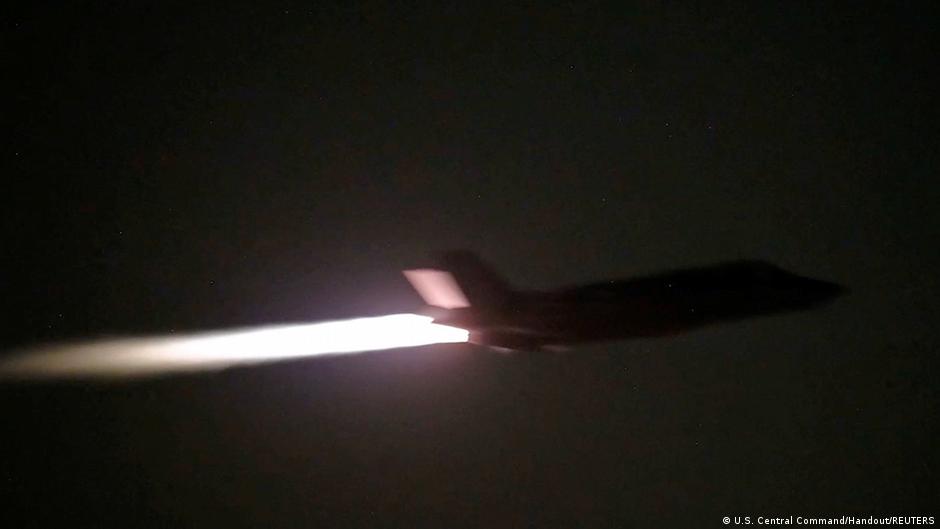
The United States Central Command (CENTCOM) announced another series of strikes on multiple targets across Iran, marking the eleventh consecutive night of military operations. The 75-minute wave of attacks resumed on Tuesday, July 21 at 7:00 PM Eastern Time (Wednesday, July 22, 1:00 AM Central European Time), continuing the cycle of hostilities that have intensified tensions in the region.
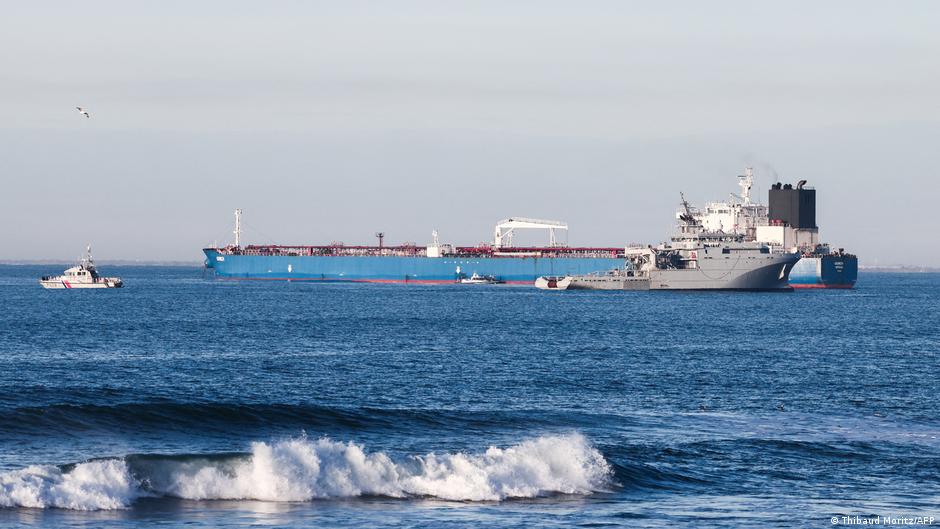
According to CENTCOM's official social media statement, the strikes focused on Iranian military operational centers, naval forces, aviation hangars, unmanned aerial vehicle (UAV) storage, and military logistics infrastructure. The objective was to degrade Iran's capability to threaten commercial shipping in the strategically vital Strait of Hormuz, a critical chokepoint for global energy supplies.
Implications for US Business and Geopolitical Stability
Over the past three months, Iran has reportedly attacked more than 30 commercial vessels transiting the Strait of Hormuz, a key maritime route for approximately one-fifth of the world’s petroleum. Despite these aggressive actions, CENTCOM asserts that the waterway remains open for commercial shipping, facilitating passage for roughly 900 commercial ships and the transport of 450 million barrels of crude oil since early May.
However, independent data from the London Stock Exchange indicates a significant drop in maritime traffic through the Strait in mid-July, with only four ships passing on July 19 and eight on July 18, reflecting increased regional insecurity affecting global supply chains.
These developments directly affect American companies reliant on stable energy prices and uninterrupted supply chains. Heightened military activity and regional instability risk driving volatility in global oil markets, increasing costs for US businesses and consumers.
“US forces targeted key Iranian military assets to prevent further threats to commercial shipping in the Strait of Hormuz and ensure energy supply security,” CENTCOM stated.
Compounding the conflict, on July 21 Iran launched missile and drone strikes against Camp Arifjan in Kuwait, where US forces are stationed. Kuwaiti authorities reported successfully intercepting several missiles and drones, underscoring the escalating cross-border threats to US personnel and interests.
Simultaneously, Iran’s Islamic Revolutionary Guard Corps (IRGC) announced a "sixth wave" of operations under the Nasr 2 campaign, targeting US military installations in Kuwait and Bahrain. These declarations have yet to be independently verified.
On July 20, Iran launched retaliatory missile and drone attacks in the Persian Gulf region, including strikes acknowledged by Kuwait and Jordan. Tehran formally rescinded a June framework ceasefire with Washington on July 18, which had aimed to broker a final peace agreement within 60 days, signaling an end to diplomatic efforts.
In response to ongoing hostilities, US President Donald Trump warned of "multiple" retaliatory consequences should Iranian actions result in further American casualties. His statement emphasized a policy of proportional military reprisal communicated to Secretary of Defense Pete Hegseth.
Since the renewed escalation in the Middle East conflict, CENTCOM has reported three US military fatalities, increasing the total US death toll to 17 since the conflict with Iran intensified in late February.
Economic and Strategic Outlook
The persistent military engagement with Iran presents significant risks for US businesses, particularly in sectors dependent on Middle Eastern stability such as energy, shipping, and insurance. Continued Iranian disruptions threaten to raise oil prices and shipping costs, squeezing profit margins for American corporations and consumers alike. Additionally, the safety of US personnel abroad remains a critical concern, potentially influencing defense spending and foreign policy priorities in Washington.
As the situation develops, US policymakers and business leaders must closely monitor the conflict's trajectory, balancing military objectives with the imperative of safeguarding economic interests and maintaining regional stability.