US Imposes 50% Tariffs on Canadian Goods Amid Trade Dispute Affecting Key Sectors
New US tariffs on Canadian imports including wine, cement, and hockey sticks target trade imbalances and discrimination claims.
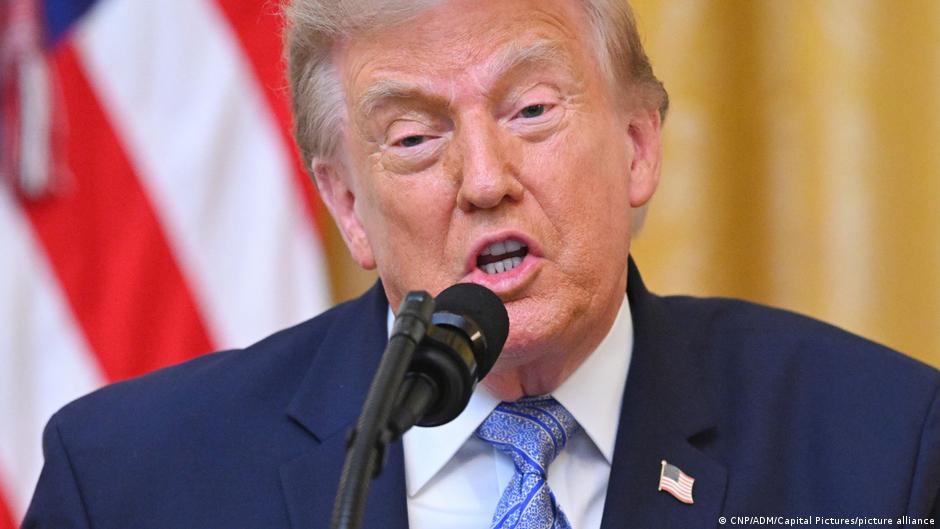
On July 20, President Donald Trump signed executive orders imposing 50-percent tariffs on a wide range of Canadian imports, escalating the ongoing trade tensions between the United States and Canada. The administration cited discriminatory practices by Canadian authorities against American alcoholic beverages, automobiles, and dairy products as the justification for the new duties.
The measures, enacted under Section 338 of the US Tariff Act of 1930, will apply to various Canadian goods from wine and cement to hockey sticks, effective August 19. While exempting energy products, potash, and items already subject to sector-specific tariffs, these new levies notably impact products covered under the United States-Mexico-Canada Agreement (USMCA).
Washington’s Strategic Objectives and Implications for American Businesses
The US Trade Representative emphasized that the tariffs target approximately $20 billion worth of Canadian imports, aiming to pressure Ottawa into removing discriminatory barriers against US exports. According to the administration, Canada has restricted American alcoholic beverages from its shelves, granted broader market access to European Union dairy products, and limited the export of American-made vehicles into Canada—especially those from companies relocating manufacturing back to the US.
"Canada’s policies have unfairly disadvantaged American producers, and these tariffs are designed to restore equitable trade conditions and improve market access for US products," a senior administration official stated.
The tariffs pose direct consequences for American companies reliant on cross-border supply chains and consumer markets. US producers in the automotive, beverage, and agricultural sectors may benefit from improved export terms if Canada complies with Washington’s demands. However, increased duties could also lead to retaliatory measures, supply disruptions, and higher costs for US businesses that import Canadian intermediate goods or materials.
Canada’s Prime Minister Mark Carney responded by calling for renewed negotiations to resolve trade disputes and update the USMCA framework. He characterized the US tariffs as unilateral actions undermining the trilateral agreement, signaling potential Canadian retaliatory steps.
Further complicating the bilateral trade environment, President Trump recently linked forest fire-related air pollution originating in Canada to economic costs for the US, suggesting that these costs might lead to additional tariff adjustments. Moreover, Trump has previously threatened 50-percent tariffs on all Canadian aircraft imports and raised certification issues related to Canadian-made Bombardier planes, citing concerns over the denial of certifications for US competitor Gulfstream models.
This escalation comes amid heightened tensions in US-Canada trade relations, with the Canadian government seeking greater trade independence and criticizing US trade and foreign policy approaches. For American businesses, the evolving tariff landscape demands close monitoring as it impacts supply chains, export opportunities, and the overall competitiveness of US industries in North America.