US-Iran Peace Deal to Reopen Strait of Hormuz, Impacting Global Trade Routes
Following a memorandum signed by Trump and Iran’s leader, the Strait of Hormuz will reopen as US sanctions on Iranian ports are lifted.
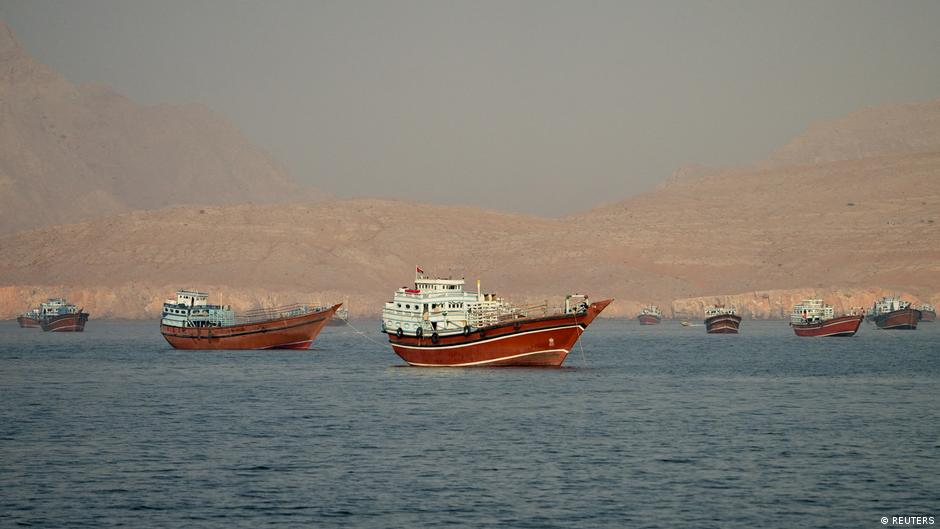
The recently signed memorandum between the United States and Iran, brokered with Pakistan's mediation, has resulted in immediate plans to reopen the strategically vital Strait of Hormuz. This development signals a significant shift in US foreign policy that could have far-reaching implications for global energy markets and American businesses reliant on Middle Eastern oil supplies.
Strategic Importance of the Strait of Hormuz
The Strait of Hormuz is a critical chokepoint, with nearly a fifth of the world’s petroleum passing through it daily. The closure or blockade of this narrow waterway has historically threatened global oil supplies and caused price volatility. The announcement that the strait will reopen immediately after the memorandum signing could stabilize energy markets and alleviate shipping risks for international companies.
"The memorandum has already taken effect following its signing, and the reopening of the Strait of Hormuz will commence without delay," declared Pakistani Prime Minister Shahbaz Sharif on social media.
The memorandum was signed digitally on June 17 by US President Donald Trump and Iran’s leader Masud Pezeshkian, with a formal ceremony planned for June 19 in Switzerland, supported by Qatar. The agreement includes a commitment by the United States to lift its blockade on Iranian ports, which has been a major source of tension in US-Iran relations.
American businesses, particularly those in the energy sector, stand to benefit from the reopening of the strait and the easing of sanctions. Reduced geopolitical risks could lead to increased stability in global oil prices, impacting everything from fuel costs to manufacturing expenses across various industries.
However, the memorandum outlines a 60-day period to negotiate the final terms of a comprehensive peace treaty. During this time, US companies and policymakers will closely monitor developments, as changes in diplomatic relations could affect investment decisions and supply chain strategies.
The US decision to lift the blockade on Iranian ports also signals potential re-engagement in Middle Eastern markets. This move may open avenues for American exporters and service providers seeking to capitalize on renewed trade opportunities. Conversely, companies previously deterred by sanctions may reconsider entering or expanding in the region.
Experts warn that while the immediate reopening of the Strait of Hormuz is a positive sign, long-term stability depends on the successful negotiation of the final peace agreement. The upcoming talks in Switzerland will be crucial for determining the future framework for US-Iran relations, with significant implications for international commerce and security.
In summary, the rapid thaw in US-Iran relations marked by the memorandum and the reopening of the Strait of Hormuz could herald a new era for American business interests, particularly in energy and trade sectors. Washington’s strategic recalibration may promote economic benefits while also requiring careful navigation of complex geopolitical dynamics.



