US Lifts Strait of Hormuz Blockade, Initiating New Phase in Iran Negotiations
Washington ends military blockade of the Strait of Hormuz, allowing oil shipments and commencing 60-day peace talks with Tehran.
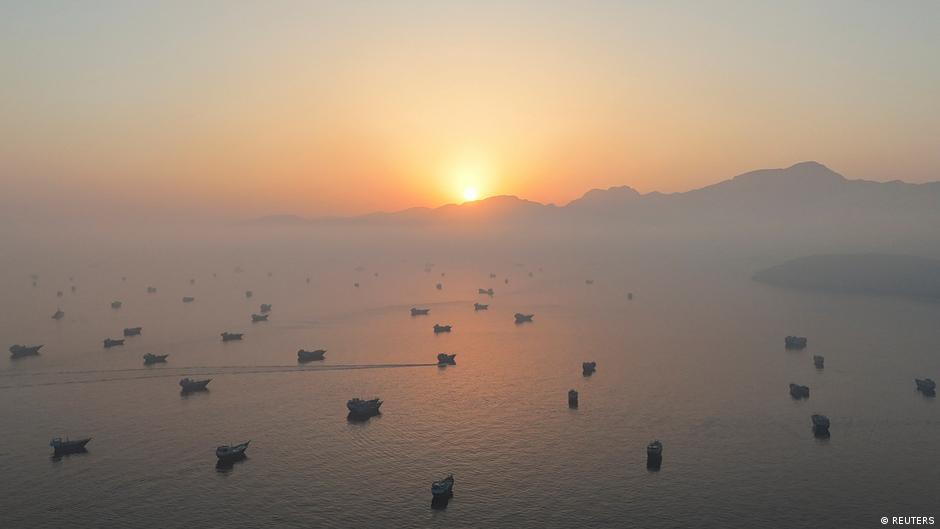
The United States has officially lifted its military blockade of the Strait of Hormuz following directives from President Donald Trump, according to the US Central Command (CENTCOM). This strategic move marks a significant shift in Washington's approach to Iran and has direct implications for American businesses involved in global energy markets.
Impact on US Business and Geopolitical Landscape
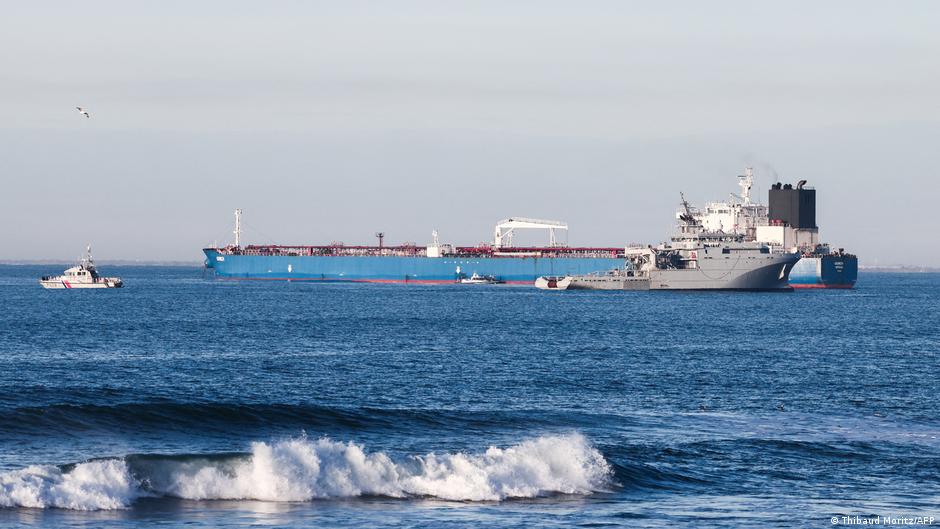
The Strait of Hormuz, a critical maritime chokepoint through which a large portion of the world's oil transits, was previously subject to US military restrictions as part of heightened tensions with Iran. CENTCOM announced that US forces will no longer impede vessels entering or exiting Iranian ports, effectively ending the blockade. However, US naval presence remains to enforce compliance with the agreement's provisions.
“All US military actions to enforce the blockade have ceased, but our powerful warships remain in the area to ensure full compliance with the agreement,” CENTCOM stated.
In the 24 hours following the announcement, Vice President David James Vance reported that 12.5 million barrels of oil passed through the Strait, setting a record since the hostilities between the US, Israel, and Iran began in late February. This uninterrupted flow is crucial for American energy companies that rely on stable crude oil supplies and pricing.
Additionally, Vance highlighted a notable reduction in Iranian aggression, noting that Iranian forces did not attack any vessels for two consecutive nights. This de-escalation supports a more stable maritime environment, directly benefiting US and allied shipping and energy sectors.
The lifting of the blockade coincides with the commencement of a 60-day negotiation period between Washington and Tehran, initiated by the remote signing of a 14-point memorandum of understanding. The agreement outlines immediate ceasefire conditions, the removal of naval restrictions, and the restoration of shipping routes through the Strait.
Crucially for US businesses, the memorandum includes the phased lifting of oil sanctions on Iran and the withdrawal of American troops from areas surrounding the Islamic Republic. These developments open potential avenues for American companies to re-engage with Iran’s energy market and infrastructure investments.
The accord also commits to unlocking $24 billion in Iranian assets and establishing a $300 billion private investment fund dedicated to Iran's reconstruction. American investors and contractors could benefit substantially from these opportunities, provided the final agreement confirms these terms.
Looking ahead, a planned face-to-face meeting between US delegation led by Vice President Vance and Iranian parliamentary speaker Mohammad Bagher Ghalibaf remains scheduled for July 19 in Switzerland. This summit aims to finalize a comprehensive peace agreement, including Iran's pledge to refrain from developing nuclear weapons.
The easing of tensions and reopening of the Strait of Hormuz mark a pivotal moment, with significant implications for Washington's foreign policy and the economic interests of US companies engaged in the energy sector and international trade.