US Military Strikes Iran for Ninth Consecutive Night Amid Rising Middle East Tensions
Continuous US attacks on Iranian targets escalate conflict, impacting regional stability and American business interests in the Gulf.
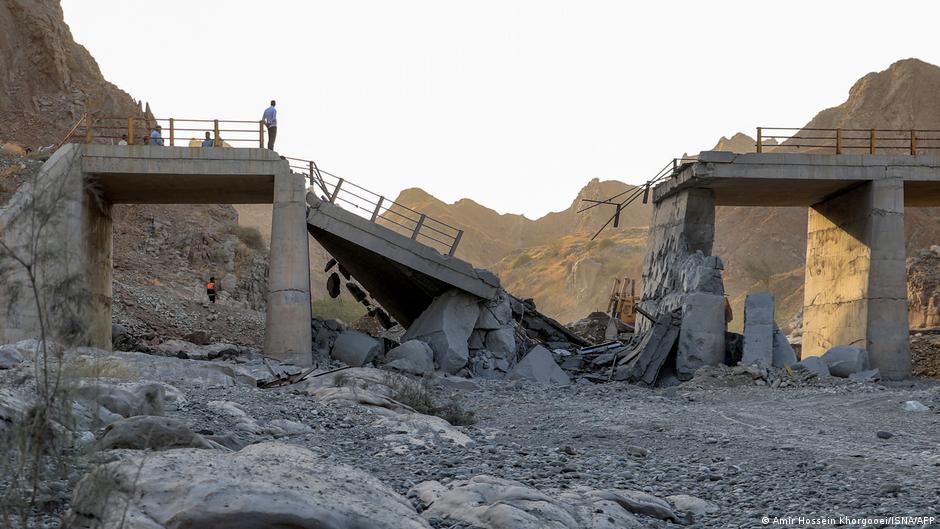
For the ninth night in a row, the United States military has launched attacks on targets within Iran following the breakdown of a ceasefire between Tehran and Washington. In retaliation, Iran has targeted US military installations in Kuwait and Bahrain, intensifying the regional conflict with direct implications for American strategic and commercial interests.
Escalation of Hostilities and Impact on the Gulf Region
The US Central Command (CENTCOM) reported that on July 20, at approximately 2:30 a.m. Iranian time, American forces conducted air strikes aimed at degrading Iran's military capabilities. According to CENTCOM, these capabilities have been used by Tehran to attack commercial shipping and civilian mariners in the strategically vital Strait of Hormuz.
“Tonight, we once again delivered a very serious strike, honoring our fallen soldiers,” President Donald Trump stated upon returning to Washington after the World Cup final.
The US President framed the renewed attacks as a response to the deaths of American military personnel during the ongoing conflict with Iran. Since the recent escalation, CENTCOM has confirmed the fatalities of three US service members, bringing the total number to 17 since the start of hostilities.
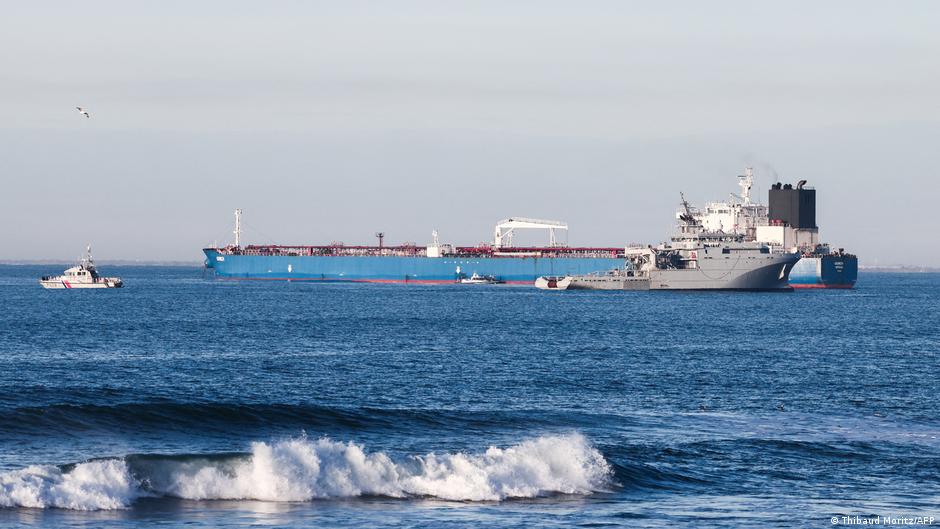
On the Iranian side, the Islamic Revolutionary Guard Corps (IRGC) announced the seizure of two oil tankers near the Strait of Hormuz, accused of attempting illegal passage through the waterway. Reports indicate that the vessels exploded, further destabilizing maritime security in the area.
The Strait of Hormuz remains a critical chokepoint for global energy supplies, with shipping traffic significantly reduced amid the military confrontation. Data from the London Stock Exchange reveal that only four ships transited the strait on July 19, down from eight the previous day.
Despite disruptions, energy consultancy S&P Global reports that liquefied natural gas (LNG) production in Qatar and the United Arab Emirates continues at relatively stable levels. Nonetheless, an increased volume of LNG is now stored on tankers waiting to pass through the Gulf, with approximately 1.9 million tons of LNG held in regional vessels.
Implications for US Business and Strategic Interests
The ongoing conflict between the US and Iran threatens to exacerbate instability in a region critical to global energy markets. American companies with investments in Gulf energy infrastructure or reliant on stable shipping lanes face increasing operational risks. The heightened military activity disrupts the safe passage of commercial vessels, raising insurance and logistics costs for US businesses.
Moreover, the surge in LNG storage aboard tankers signals logistical bottlenecks that could affect global energy prices and supply chains. For US energy firms exporting LNG, these developments may impact delivery schedules and revenue streams.
From a strategic perspective, the US administration’s decision to sustain military pressure underscores Washington’s commitment to counter Iran’s regional influence but also risks drawing American businesses deeper into the geopolitical fallout. The evolving situation calls for close monitoring by US policymakers and corporate leaders to mitigate economic and security risks.