US Removes Syria from Terror Sponsor List, Signaling Shift in Washington’s Middle East Policy
The Biden administration’s decision to delist Syria from terrorism sponsors opens new avenues for American businesses and shifts geopolitical dynamics.
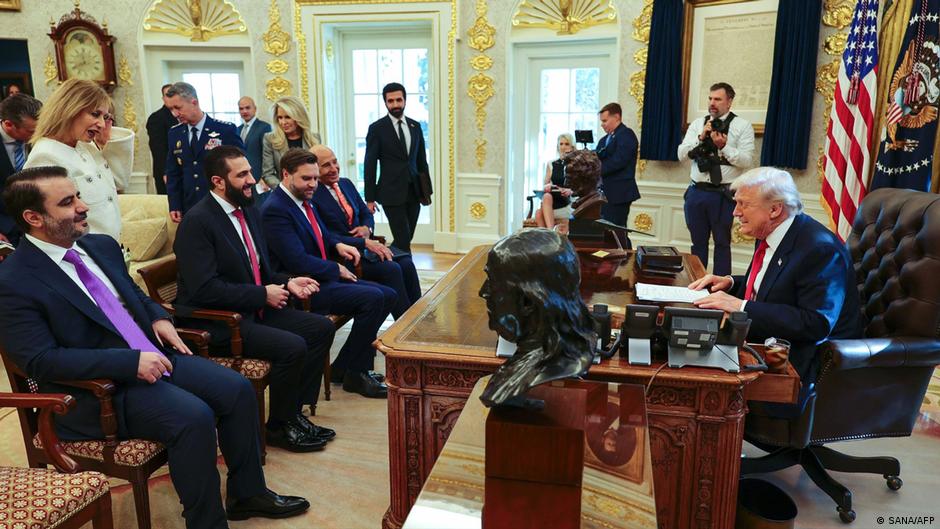
The United States has officially removed Syria from its list of state sponsors of terrorism, a designation it held for nearly five decades. This move marks a significant pivot in Washington’s Middle East policy, with important implications for American companies and the broader geopolitical landscape.
Washington’s Diplomatic and Economic Reset with Syria
The US State Department announced the removal on August 24, lifting longstanding sanctions on both Syria and the militant group Hayat Tahrir al-Sham (HTS), which emerged as a dominant force following the ousting of Bashar al-Assad’s regime. This decision follows a series of steps beginning in mid-2025, when President Biden eased many restrictions on Syria in anticipation of normalized relations.
Scott Bessent, the US Treasury Secretary, described the action as a commitment to providing the Syrian people with "a chance for greatness," emphasizing that the policy shift will help attract investment and bolster Syria’s political and economic stability. The lifting of sanctions aims to reintegrate Syria into the global economy, presenting new opportunities for foreign investors, including US businesses seeking reentry into the Syrian market.
"These measures open a vital opportunity for deeper integration of Syria into the global financial system, attracting investment and modern technologies," said Syria’s interim finance minister, highlighting the economic prospects this move could unlock.
Tom Barrack, the US Special Envoy for Syria, characterized the decision as a turning point, transitioning Syria "from isolation to partnership, and from a source of terrorism to an active partner in the global fight against terrorism."
Implications for US Business and Regional Geopolitics
For American companies, the removal of Syria from the terrorism sponsor list could lift barriers to trade, investment, and reconstruction contracts in a country rich in natural resources and strategic location. Sectors such as energy, construction, and telecommunications may find new openings, though lingering regional instability and geopolitical tensions could temper immediate commercial enthusiasm.
However, challenges remain as Syria’s relations with neighboring Israel and Turkey continue to be strained. Recent Israeli airstrikes targeting locations in northwestern Syria and ongoing disputes over the Golan Heights underscore the fragile security environment. The Israeli government, particularly its ultra-right coalition, remains wary of Syria’s rapprochement with Turkey and its implications for regional power balances.
Despite these tensions, Washington’s recalibrated approach signals a willingness to engage pragmatically with Damascus. This policy shift may encourage other Western nations to follow suit, further eroding Syria’s isolation and potentially stabilizing the region.
Overall, the US decision to delist Syria reflects a complex balancing act—seeking to promote stability and economic opportunity while managing long-standing security concerns. For US policymakers and business leaders, this development warrants close attention as it could reshape trade flows and strategic alliances in the Middle East.