US Senate Approves Enhanced Sanctions on Russia Targeting Energy and Financial Sectors
The new Graham Act sanctions draw praise from the EU and Ukraine, signaling deeper US commitment amid ongoing conflict in Ukraine.

The United States Senate has passed a significant package of sanctions aimed at curtailing Russia's financial resources, especially targeting its energy exports, government officials, and oligarchs. This legislative move, named after the late Senator Lindsey Graham, has garnered strong approval from European Union leaders and the Ukrainian government, highlighting increased transatlantic unity against Russian aggression.
Implications for US Businesses and International Relations
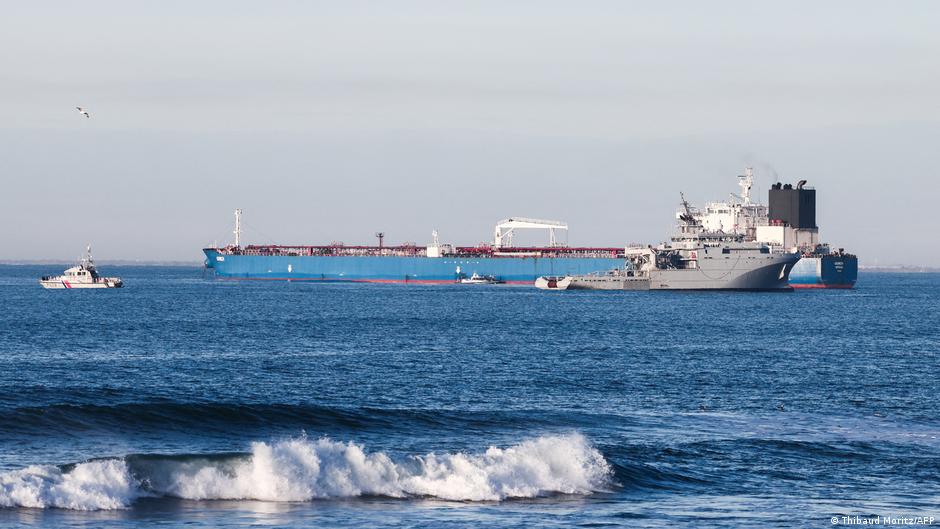
The comprehensive sanctions bill was approved overwhelmingly by the Senate, with 86 votes in favor and 11 against. It imposes new restrictions on Russian officials, financial institutions, and notably, the so-called "shadow fleet" used to evade existing oil export restrictions. Additionally, the legislation empowers the US administration to impose tariffs of up to 100% on imports from countries that remain major buyers of Russian oil and gas.
However, the bill includes carve-outs for countries sourcing less than 15% of their natural gas from Russia and actively working to reduce this dependency, reflecting a nuanced approach to global energy dynamics.
"Together, Europe and the United States can once again show what historic partners can achieve when acting in unity," stated European Commission President Ursula von der Leyen following the Senate vote.
Von der Leyen emphasized the significance of coordinated sanctions in cutting off Russia’s funding streams to continue its war, calling for sustained transatlantic collaboration. Likewise, Ukrainian President Volodymyr Zelensky expressed gratitude to the US Senate, underscoring the enhanced pressure on Russia to end its ongoing invasion.
From a Washington perspective, this legislative success signals a strong bipartisan consensus to escalate economic pressure on Russia, despite debates over energy security and economic impacts on allies. The bill’s passage through the Senate also sends a clear message to American companies and foreign partners about the US commitment to enforcing and expanding sanctions regimes.
Yet the legislation is now headed to the House of Representatives, with a vote expected after the summer recess in September. This timeline reflects the complexities of navigating sanctions policy in the face of evolving geopolitical and economic considerations.
Notably, President Donald Trump, who previously opposed supplying Ukraine with Patriot missile systems, retains authority under this bill to adjust tariffs, adding an additional lever to influence international energy markets and diplomatic relations.
Economic and Strategic Takeaways for US Businesses
American companies involved in energy, finance, and international trade should prepare for tighter regulatory scrutiny and potential disruptions as sanctions intensify. The authority to impose tariffs on countries still reliant on Russian energy imports could affect global supply chains and trade flows, requiring agile risk management strategies.
Moreover, the bill’s focus on the shadow fleet highlights increased enforcement against maritime activities that circumvent sanctions, signaling heightened compliance expectations for shipping and logistics firms.
Overall, the Graham sanctions package reflects Washington’s intent to leverage economic tools aggressively to curtail Russia’s war capabilities, with considerable implications for US businesses operating globally and the broader geopolitical landscape.