US Treasury Tells Russia Sanctions Will Hold Until Ukraine War Ends
Treasury Secretary Scott Bessent reportedly told Russia's finance minister at a G20 meeting in North Carolina that Moscow should not expect sanctions relief before the war ends.
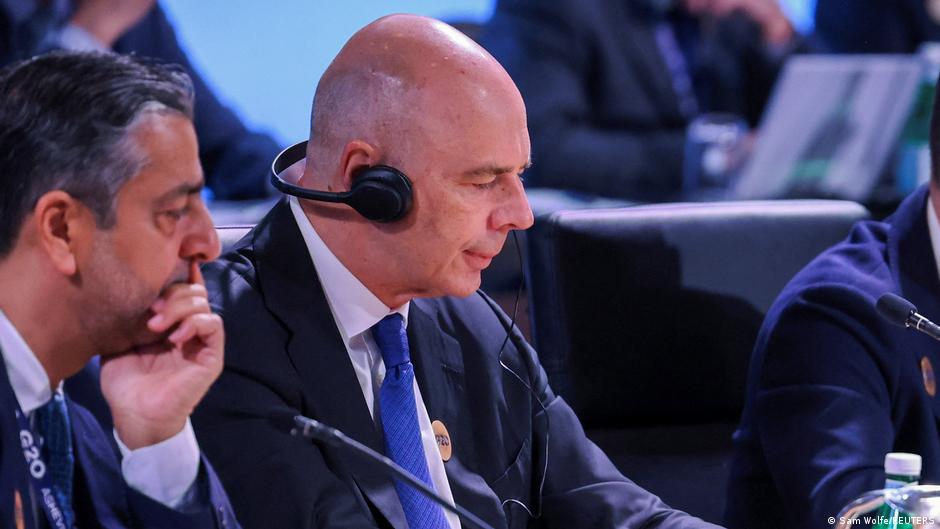
The United States is signaling that its economic pressure campaign against Russia will remain in place until the war in Ukraine is over, according to a Reuters report citing a source familiar with a conversation between the two countries' finance ministers at a G20 gathering in North Carolina.
At the meeting of G20 finance ministers and central bank governors in Asheville, US Treasury Secretary Scott Bessent told Russian Finance Minister Anton Siluanov that Moscow should not expect any easing of economic pressure, or agreements on other issues, before the end of the war in Ukraine, Reuters reported early Tuesday, September 1.
For Washington, the message carries implications well beyond diplomacy. It suggests the US administration is linking any broader reset in financial relations with Russia to a fundamental change in the war, reinforcing the idea that sanctions policy remains tied to geopolitical outcomes rather than narrower transactional negotiations. For American companies, banks and investors, that points to continued compliance burdens and little near-term reason to expect a reopening of business channels involving Russia.
G20 exchange puts sanctions policy in focus
The reported exchange took place on the sidelines of the G20 event in Asheville, North Carolina, a setting that gave the encounter added visibility. According to Reuters, Bessent's message to Siluanov was direct: Russia should not count on sanctions relief while the war continues. The report also said Moscow should not expect deals on other matters before the conflict ends.
That framing matters in Washington because it indicates the administration is treating sanctions not as a temporary irritant to be bargained away piecemeal, but as part of a wider strategy to maintain leverage over the Kremlin. For US businesses, especially those with exposure to global payments, commodity flows, shipping, insurance or export controls, such messaging helps define the operating environment. The practical reading is that the legal and reputational risks tied to Russia-related activity remain elevated.
Siluanov's presence at the meeting also caused friction with European governments, the report said. Those governments are currently working on strengthening sanctions against Russia because of the war, and some officials viewed his participation as problematic at a moment when pressure is supposed to be intensifying, not diluted.
"One can find room for clear criticism, discuss things with each other, and choose clear words about this war, but a group photo would be a step too far for me at this stage," German Finance Minister and Vice Chancellor Lars Klingbeil said, according to the source text.
Klingbeil described Siluanov's reception at such an event as a "troubling signal." In discussions with colleagues from other European countries, he also threatened to boycott the traditional group photograph if the Russian minister were included. According to Klingbeil, representatives of other European states joined his position, and the photo was ultimately taken without Siluanov.
The dispute over a ceremonial group image may seem minor, but in diplomatic and market terms it is another sign that Western cohesion on Russia remains a sensitive issue. For policymakers in Washington, maintaining alignment with Europe is critical to the effectiveness of sanctions. For US firms, that coordination reduces the chances of a fragmented transatlantic policy environment in which regulatory expectations diverge sharply from one jurisdiction to another.
Klingbeil also told reporters that during the participants' general morning meeting, he told Siluanov that the war in Ukraine needed to end and reaffirmed Berlin's support for Kyiv. That intervention underscored how little room there currently is among key Western governments for symbolic normalization with Russian officials, even within multilateral forums such as the G20.
Mixed signals around diplomacy and Trump's peace plan
The meeting between Bessent and Siluanov had already been acknowledged publicly by the Russian Finance Ministry. In a press release published on the evening of August 31, the ministry said the two officials met on the sidelines of the G20 session of finance ministers and central bank governors. The Russian statement said they discussed issues related to Russian-American interaction on the financial track and cooperation within the Group of 20.
That official wording left open the question of substance. Reuters later added the sharper detail that Bessent had warned there would be no weakening of economic pressure before the war ends. Taken together, the two accounts suggest that while lines of communication remain open at the ministerial level, the US side is not signaling any readiness to soften its core position.
Also on August 31, CNBC reported on its website, citing the US Treasury Department, that Bessent discussed President Donald Trump's peace plan for Ukraine with Siluanov in Asheville. That introduces a second track into the picture: diplomacy around a possible settlement, alongside a hard line on sanctions.
From a US political and business perspective, the coexistence of those two tracks is significant. Washington can pursue discussions around a peace initiative while still making clear that sanctions relief is off the table until the war itself is over. For corporate America, that means diplomatic headlines should not be read as a sign that restrictions are about to be relaxed. Until there is an actual end to the war, companies are likely to assume that the current framework of sanctions, scrutiny and financial isolation will remain in force.
The immediate bottom-line implication for US businesses is continuity, not reopening. Treasury's reported message points to a sanctions regime that remains anchored to battlefield and political realities in Ukraine. Unless those realities change, American firms should expect the compliance map around Russia to stay difficult, with Washington showing no sign that it is prepared to trade economic leverage for limited engagement.